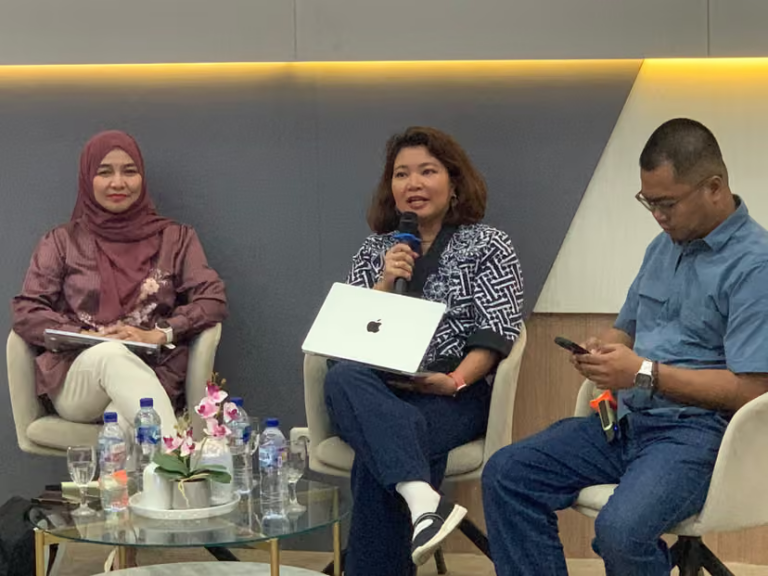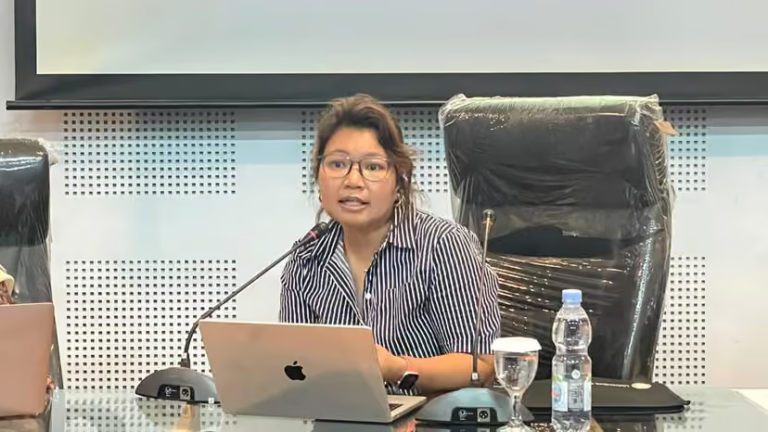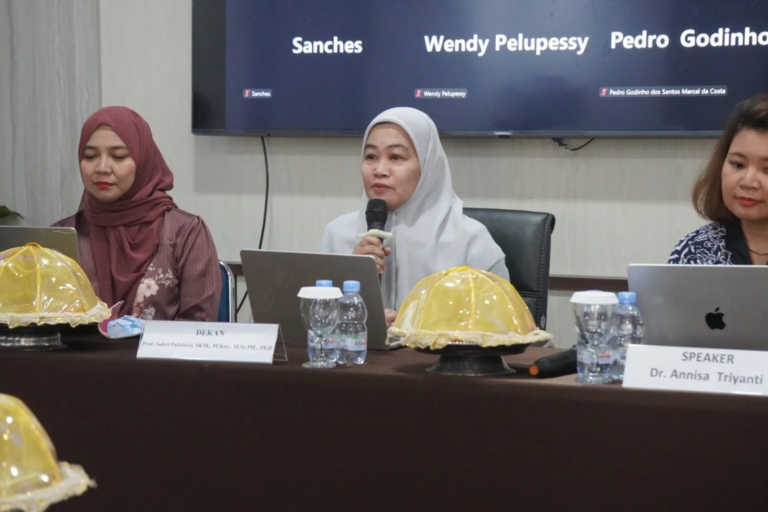

As global climate change continues to pose severe socio-ecological risks, connecting international environmental policies with localized adaptation strategies has become a crucial challenge for academic institutions. Addressing this imperative, Universitas Hasanuddin (Unhas) successfully convened the first session of its lecture series, titled Diaspora Berdampak #1: “Dynamics of Ecosystem-Based Global Environmental Governance and Multilateral Frameworks in Climate Change Adaptation”. Held at the Prof Syukur Abdullah Hall, 3rd Floor of the Faculty of Social and Political Sciences, Universitas Hasanuddin, the event served as a collaborative forum to translate high-level multilateral frameworks into actionable disaster risk reduction and climate resilience models.
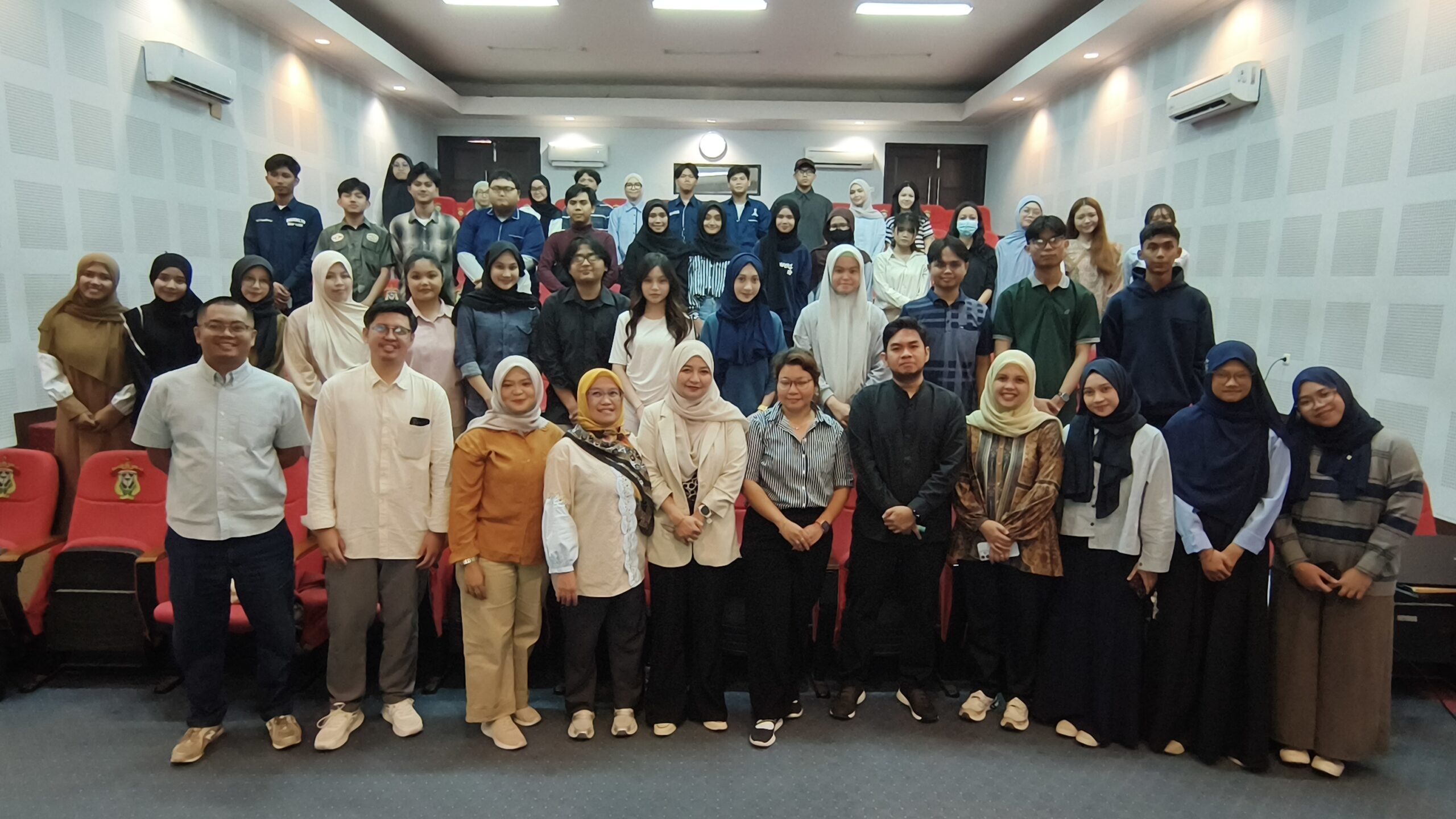
The guest lecture took place on 21th October 2026 at Universitas Hasanuddin, Makassar. The academic gathering brought together a highly engaged audience, recording 57 participants comprised of faculty members, researchers, and students. The session delivered profound international perspectives through its key speaker, Dr. Annisa Triyanti (Assistant Professor of Disaster and Climate Risk Governance for Sustainability, Copernicus Institute of Sustainable Development, Utrecht University, Belanda). The event was further enriched by active academic contributions from participating students, including Iftitah Azzahra M., Andi Muh. Guttu Patalo Zulkarnain, Rifqah Asrianti HR, Rasyiqa Fairuz R. Laitupa, Muhammad Rifqy Al-Ikhwan.
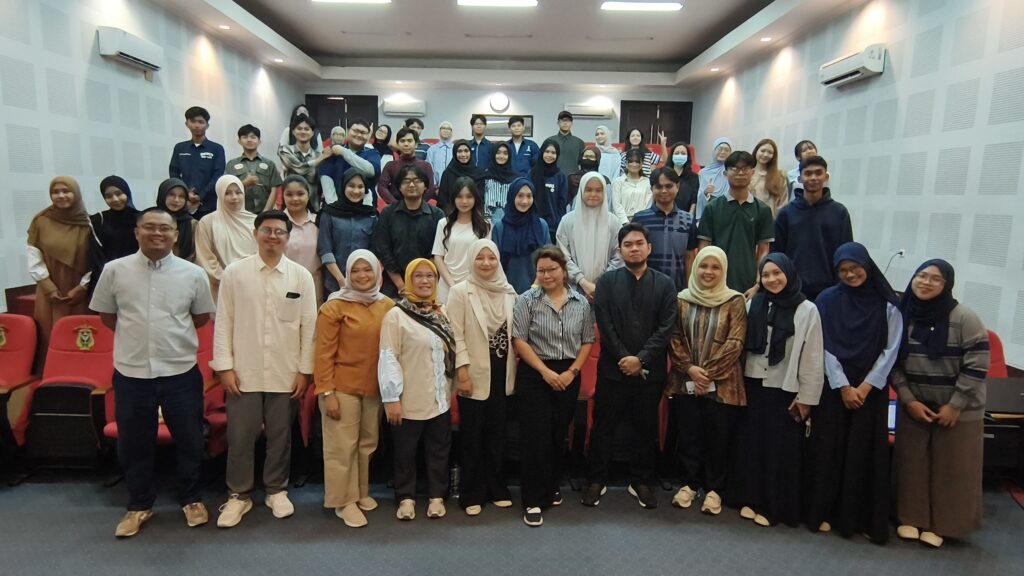
The primary objective of this public lecture was to explore how ecosystem-based adaptation and inclusive multi-stakeholder governance models can effectively bridge global policy directives with national and regional climate resilience efforts. Dr. Triyanti emphasized the necessity of integrating ecosystem-based solutions with local knowledge and Gender Equality, Disability, and Social Inclusion (GEDSI) principles to safeguard vulnerable coastal populations against environmental degradation and climate-induced disasters.
This academic initiative directly connects to the United Nations Sustainable Development Goals, explicitly advancing SDG 1: No Poverty, SDG 4: Quality Education, and SDG 17: Partnerships for the Goals. By examining how ecosystem-based adaptation mitigates livelihood loss and economic precarity among vulnerable coastal communities, the discussion addresses fundamental drivers of poverty in alignment with SDG 1: No Poverty. Furthermore, by providing students and early-career researchers with direct access to cutting-edge global risk governance frameworks, the initiative enhances regional higher education quality in accordance with SDG 4: Quality Education. Finally, by leveraging international academic exchanges between Universitas Hasanuddin and European research institutes, the event exemplifies the collaborative knowledge-sharing required under SDG 17: Partnerships for the Goals.
Through this milestone lecture, Universitas Hasanuddin reaffirms its institutional commitment to fostering transdisciplinary environmental governance research that empowers local communities while remaining anchored in global scientific standards.