

MAKASSAR, Indonesia Aug 8 2026/Medi-Edu/ – Walk into any hospital and you will find skilled professionals — doctors, nurses, pharmacists, physiotherapists. Yet the biggest obstacle to their working together is often not a lack of knowledge. It is something more human: ego, hierarchy, and the quiet sense of who outranks whom. So what if teamwork itself could be taught, like any other skill?
That is exactly what a new study from Makassar set out to do. Published in F1000Research in 2025 by researchers at Hasanuddin University, it designed, built, and tested a team-building program for health profession students before they enter the workforce. Working across three phases, the team first uncovered what blocks collaboration, then created a training to fix it, and finally measured whether it worked.
Listening First
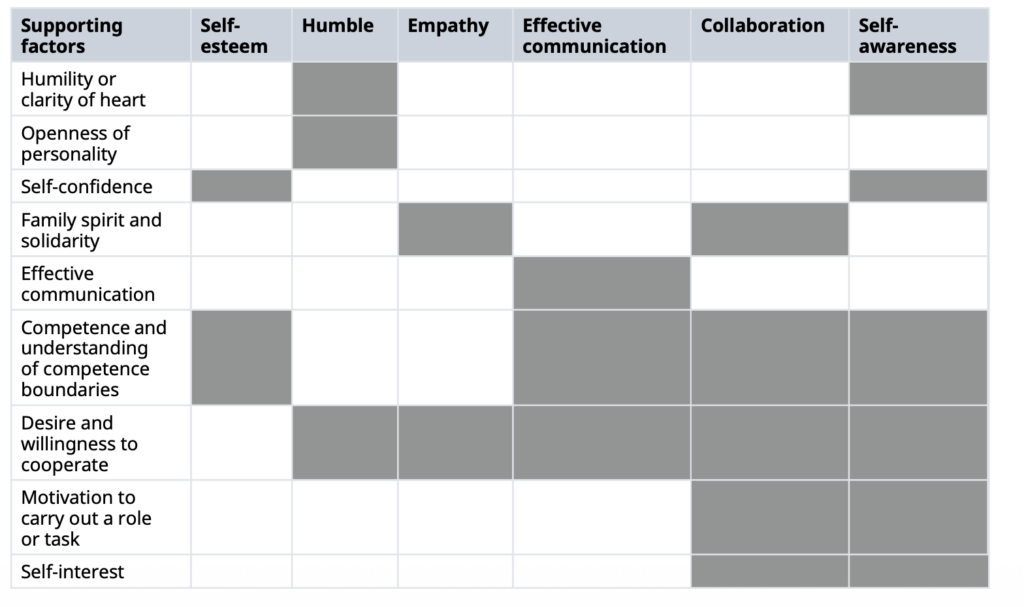
The researchers began by asking practising health workers what really helps or hurts collaboration. Their honest answers were revealing. Beyond communication and workload, the deepest barriers were personal: professional egoism, a culture of seniority, and self-doubt. Some nurses admitted they saw themselves as “helpers” rather than equal partners to doctors, quietly shrinking their own role.
Building the Program
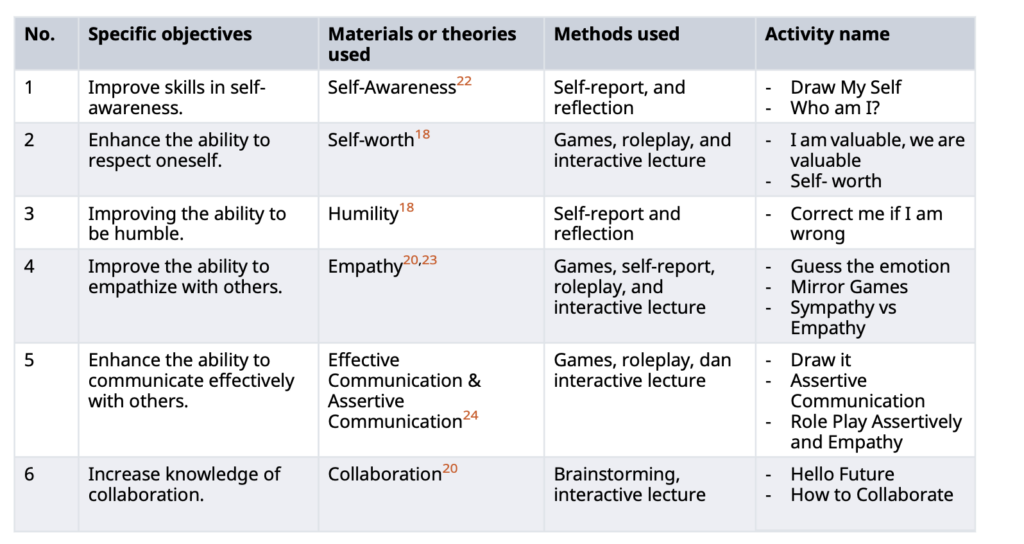
Using these insights, the team designed a training module targeting six human skills: self-esteem, humility, empathy, effective communication, collaboration, and self-awareness. Rather than dry lectures, it used games, role-play, and reflection — activities with names like “Who am I?” and “I am valuable, we are valuable.” When piloted with students from nine different health programs, participants rated it highly effective, giving it an average of 9.45 out of 10.
Does It Actually Work?
The real test came in the field. During a community service placement in Bone Regency, 38 students were split into two groups — one that received the training and one that did not. The difference was clear: students who completed the program scored significantly higher on teamwork skills afterward (an average of 115 versus 104 for the untrained group), while the control group barely changed. Teamwork, it turns out, can genuinely be built.
Why It Matters
This research speaks directly to SDG 3: Good Health and Well-being and SDG 4: Quality Education. Poor collaboration between health workers is linked to medical errors and even preventable deaths, so preparing students to work as respectful equals is a matter of patient safety — not just workplace harmony.
The message is hopeful: the walls between health professions are not permanent, and they do not have to be torn down by chance. With the right training, delivered early, tomorrow’s health workers can learn to see one another as partners long before they step onto a ward.
Reference
DOI: https://doi.org/10.12688/f1000research.165001.1
Contact
Dr. Irwin Aras (Corresponding Author)
Medical Education, Faculty of Medicine, Hasanuddin University, Makassar
irwinaras@unhas.ac.id