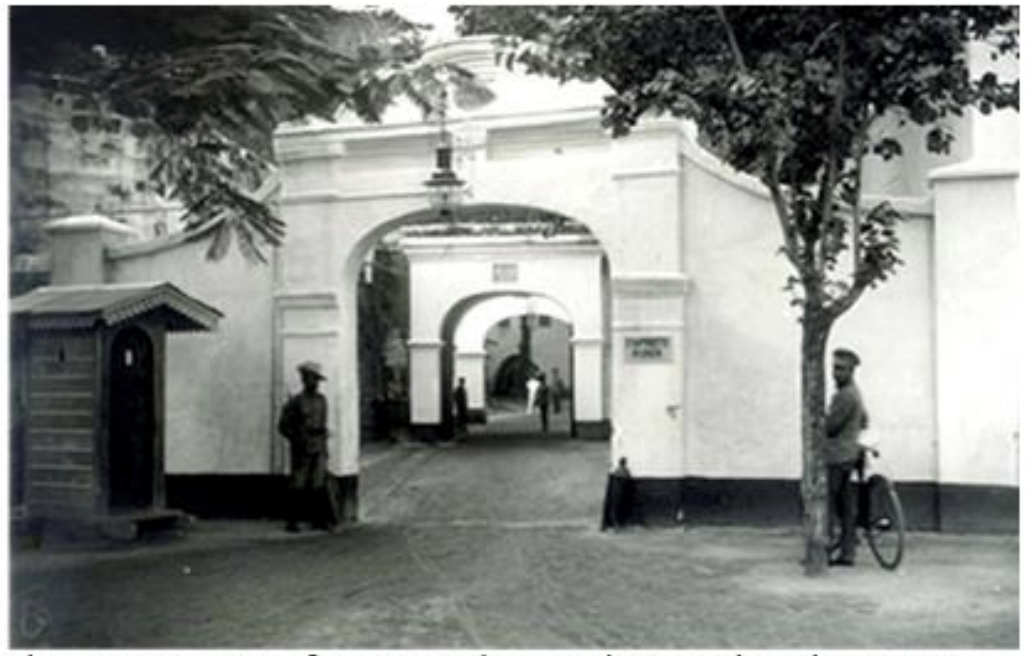

MAKASSAR, Indonesia, April 16 2026 /TRG-MCRG/ – Standing on the western coastline of Makassar today, Fort Rotterdam is more than just a historic building; it is a living testimony to centuries of power, conquest, and cultural survival. But how many people know that this iconic fort was once called Benteng Ujungpandang, and that its name was changed not by the people who built it, but by those who took it by force? A remarkable scholarly article published in Atlantis Press on April 27, 2022, titled “From Ujungpandang to Rotterdam: Transfer Power and Name of Fort Based on Lontara” by Muhlis Hadrawi and colleagues, uncovers this gripping story, told through the eyes of ancient Buginese manuscripts known as Lontara.
The story begins in the 16th century, when the powerful Gowa-Tallo kingdom constructed Benteng Ujungpandang as part of a bold network of 14 coastal forts along South Sulawesi’s western shore. These were not mere military structures; they were symbols of maritime ambition. The Gowa-Tallo kingdom, inspired by the fall of Melaka to the Portuguese in 1511, recognized the shifting tides of regional power and chose to build a maritime empire. Their vision was sharp, strategic, and remarkably modern for their time.
For over a century, Benteng Ujungpandang stood as a guardian of Gowa’s growing influence. Makassar became one of Southeast Asia’s most vibrant trading hubs, welcoming merchants from Thailand, England, France, Portugal, and beyond. Then came the Makassar War of 1666–1667, a brutal conflict that ended with the defeat of Gowa at the hands of VOC (the Dutch East India Company) and its ally, Arung Palakka of Bone. The treaty that followed, known as Perjanjian Bungaya, sealed the fort’s fate. Benteng Ujungpandang was handed over to VOC, and VOC Governor Cornelis Speelman renamed it “Fort Rotterdam”, after his birthplace in the Netherlands.
This name change was not merely cosmetic. It represented a total transformation: from indigenous maritime defense to colonial command center. Under Dutch authority, the fort became a residence, military headquarters, government office, and prison for political elites, a grim shift from its original protective purpose.
This story connects powerfully with Sustainable Development Goal 11 (SDGs 11): Sustainable Cities and Communities, which calls on nations to protect and safeguard the world’s cultural and natural heritage. Fort Rotterdam stands today as a reminder that cultural heritage is never just about buildings, it carries the identity, memory, and dignity of a people. Preserving and honestly narrating its history ensures that communities can understand where they come from and build a more inclusive future.
What makes this research extraordinary is its use of Lontara manuscripts, authentic local diaries and chronicles written in the Buginese language, as primary historical evidence. Unlike colonial records that often told history through the conqueror’s lens, these local manuscripts offer a grounded, objective, and deeply human perspective on the events that reshaped Makassar forever.
Fort Rotterdam may carry a Dutch name, but its soul remains Buginese. Knowing this history is not about holding onto the past, it is about reclaiming the narrative and honoring those who built, lived, and fought for this land long before colonial flags were ever planted on its walls.
Reference:
DOI: https://doi.org/10.2991/assehr.k.220408.075
Contact:
Prof. Dr. Muhlis Hadrawi, S.S., M.Hum.
+62 813-5545-0639
muhlisbugis@yahoo.com