
MAKASSAR, Indonesia, April 20 2026 /TRG-MCRG/ – What can ancient tombs tell us about the way people lived, believed, and evolved? Surprisingly, quite a lot. In Bantaeng, South Sulawesi, Indonesia, tomb architecture is more than just a resting place for the dead; it is a living story of cultural transformation, creativity, and knowledge passed through generations.
Archaeological findings reveal that the people of Bantaeng experienced a long journey of cultural development, beginning from prehistoric times to the Islamic era. Early burial traditions involved placing bones in pottery or jars, reflecting deep respect for ancestors and spiritual beliefs. Over time, these practices evolved into more complex tomb structures, especially after the arrival of Islam in the 17th century.
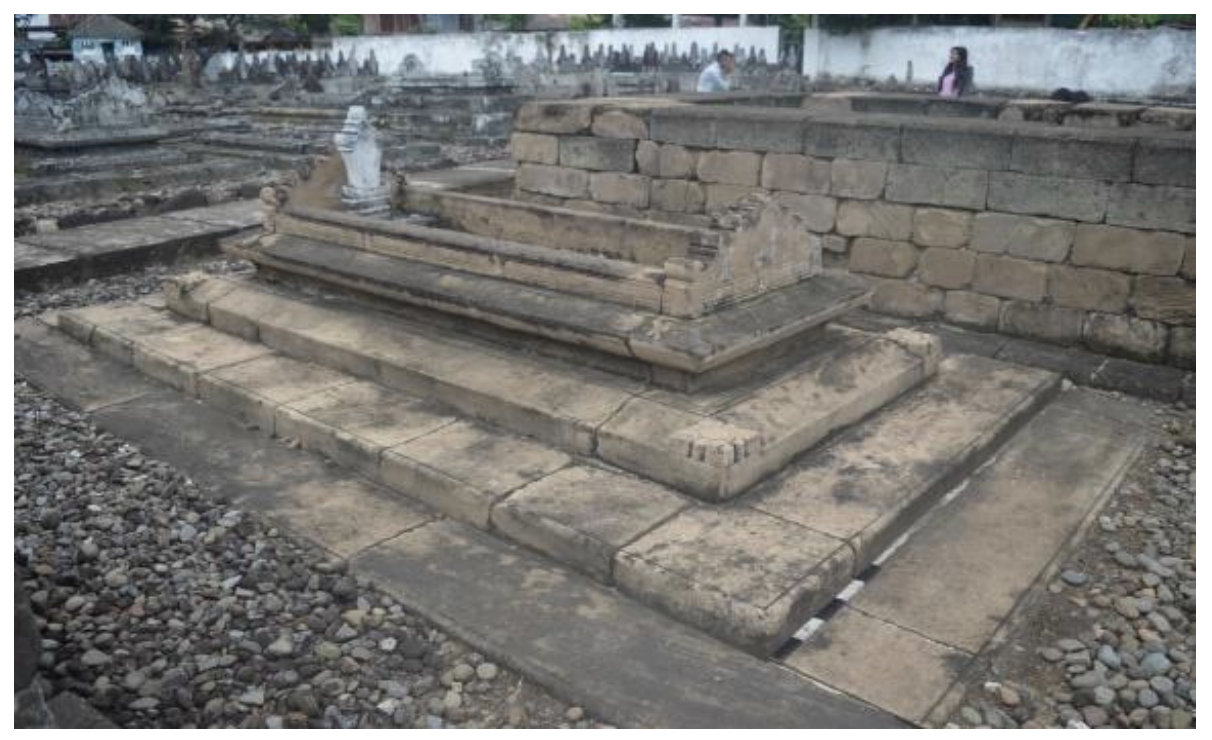
One of the most fascinating aspects is how tomb architecture blends different cultural influences. Pre-Islamic traditions, local customs, and Islamic values merged to create unique designs, such as stepped tombs resembling temples, adorned with floral motifs and Arabic calligraphy. These tombs were not only artistic but also symbolic, representing social status, spiritual beliefs, and the community’s worldview.
For example, stepped tombs often reflected social hierarchy: the more elaborate the structure, the higher the status of the person buried. Meanwhile, decorative elements like calligraphy expressed Islamic teachings, showing how new beliefs were integrated into existing traditions. This cultural blending highlights the adaptability and intelligence of the Bantaeng people in responding to change.
This is where the connection to SDG 4: Quality Education becomes clear. Cultural heritage, like tomb architecture, serves as an informal yet powerful educational resource. It teaches us history, values, creativity, and identity. By studying these ancient structures, younger generations can learn about their roots, appreciate diversity, and develop critical thinking about how cultures evolve.
Education is not only found in classrooms but also embedded in traditions, artefacts, and community knowledge. Preserving and studying cultural heritage helps ensure that valuable lessons from the past are not lost. In fact, understanding such heritage can inspire innovation, strengthen cultural identity, and promote respect among different societies.
Moreover, making this knowledge accessible to the public through popular scientific writing, such as this article, is an important step toward bridging the gap between academic research and everyday understanding. When people can easily grasp complex ideas, they are more likely to value and protect their cultural heritage.
In conclusion, the tomb architecture of Bantaeng is not just about the past, it is a tool for education in the present and the future. It reminds us that learning can come from anywhere, even from stones that have stood for centuries. By connecting history with modern educational goals, we can build a more informed, culturally aware society.
Article Metadata Source:
- Title: Tomb Architecture: A Phase of Cultural Development of Bantaeng People in South Sulawesi
- Journal: Atlantis Press
- Publisher: Springer Nature
- Publication Date: 27 April 2022
Reference:
DOI: https://doi.org/10.2991/assehr.k.220408.014
Contact:
Prof. Dr. Muhlis Hadrawi, S.S., M.Hum.
+62 813-5545-0639
muhlisbugis@yahoo.com