
MAKASSAR, Indonesia, April 16 2026 /TRG-MCRG/ – For many people, discussions about sexuality are often considered embarrassing or even forbidden. Yet hundreds of years ago, the Bugis and Makasar people of South Sulawesi had already written detailed guidance about marriage, intimacy, and respect between husband and wife.
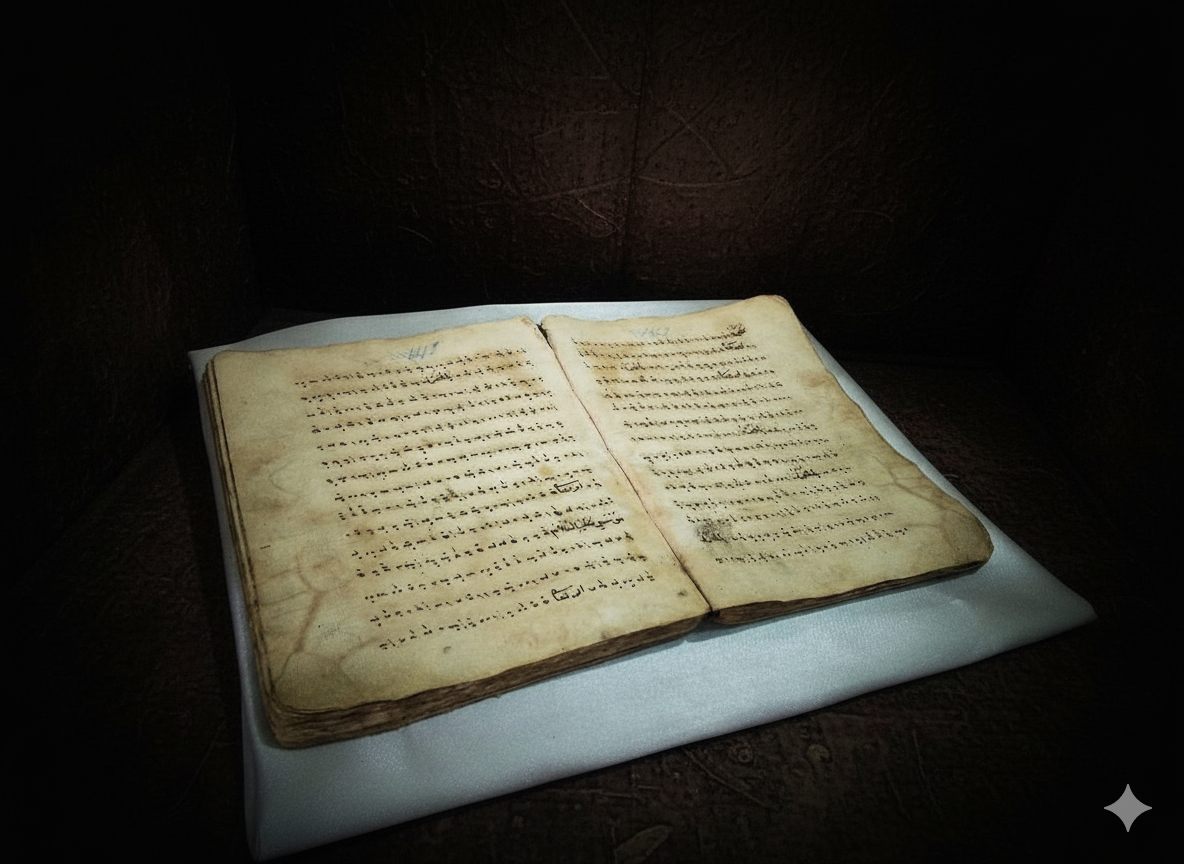
These ideas were recorded in traditional manuscripts known as assikalaibineng, which means “about husband and wife relations.” As discussed in the article “Narratives of Sexuality in Bugis and Makasar Manuscripts” written by Muhlis Hadrawi and published in the International Journal of Asia Pacific Studies 12 (Supp. 1): 187–206 by Universiti Sains Malaysia on 15 September 2016, these manuscripts were far from being vulgar texts. Instead, they functioned as educational guides that taught couples how to build healthy, respectful, and emotionally balanced relationships.
The manuscripts first appeared around the seventeenth century and were strongly influenced by Islamic and Sufi teachings. They were originally studied by religious and royal elites, but over time their messages spread more widely throughout society.
One of the most interesting lessons in the manuscripts is that intimacy should not only focus on physical desire. Instead, it should include communication, emotional readiness, and mutual respect. Before entering marriage, couples were encouraged to understand each other’s feelings and prepare themselves mentally and spiritually.
The manuscripts also explain that a husband should never force his wife or think only about his own needs. A husband is expected to make sure his wife feels safe, comfortable, and emotionally ready. In many parts of the world, even today, women’s feelings are often ignored in conversations about marriage. However, these Bugis and Makasar texts gave important attention to women’s wellbeing centuries ago.
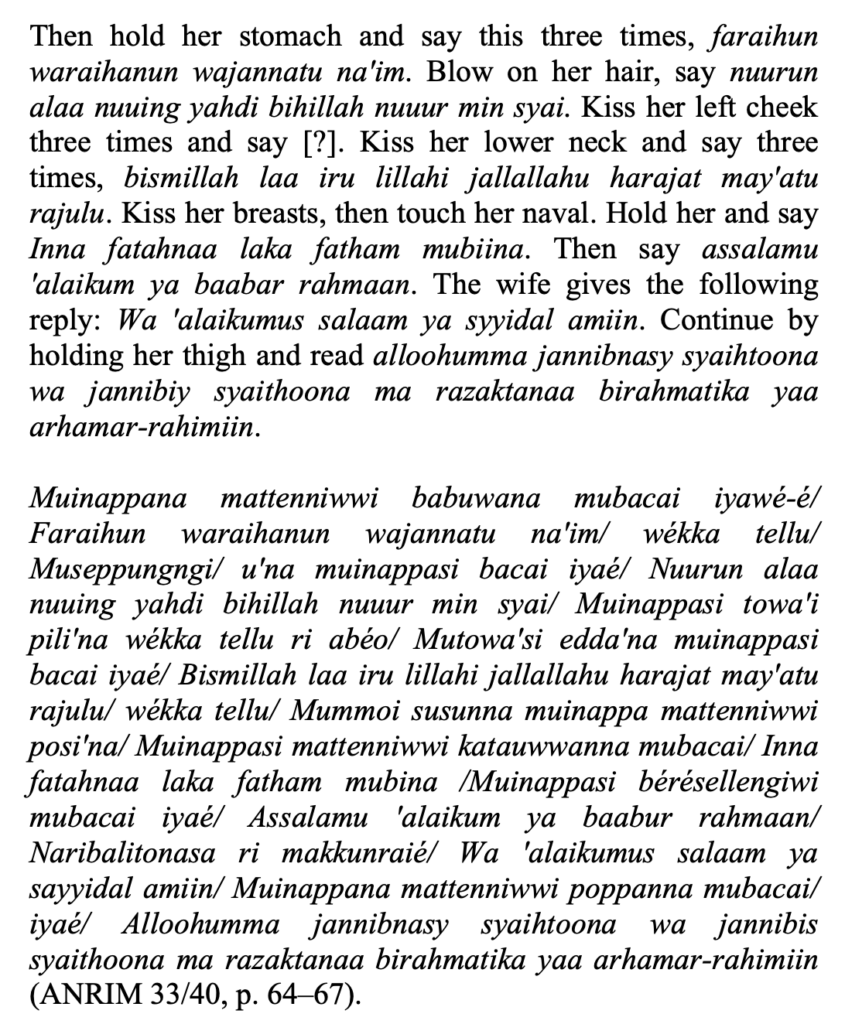
The writers believed that a successful marriage depends on kindness, patience, and care. They encouraged couples to speak gently, show affection, and continue caring for each other even after moments of intimacy. According to the manuscripts, true love is not only about physical closeness. It is also about protecting the dignity and happiness of one another.
This message is closely connected to SDG 3: Good Health and Well-Being. SDG 3 is usually discussed in terms of hospitals, medicine, and disease prevention. However, health is not only physical. Emotional and mental wellbeing are also important.
The Bugis and Makasar manuscripts remind us that healthy relationships can reduce stress, prevent violence, and create a more peaceful family environment. When husbands and wives treat each other with respect, they are more likely to build strong families and raise children in a safe and loving home.
Today, many young people receive information about relationships from social media, films, or the internet. Unfortunately, these sources do not always teach responsibility or respect. Because of this, the old Bugis and Makasar manuscripts still have value today. They offer a different perspective: that intimacy should be based on ethics, mutual care, and emotional wellbeing.
Although they were written centuries ago, these manuscripts carry a timeless message. A healthy society begins with healthy relationships, and healthy relationships begin with respect.
Reference:
DOI: http://dx.doi.org/10.21315/ijaps2016.12.s1.9
Contact:
Prof. Dr. Muhlis Hadrawi, S.S., M.Hum.
+62 813-5545-0639
muhlisbugis@yahoo.com