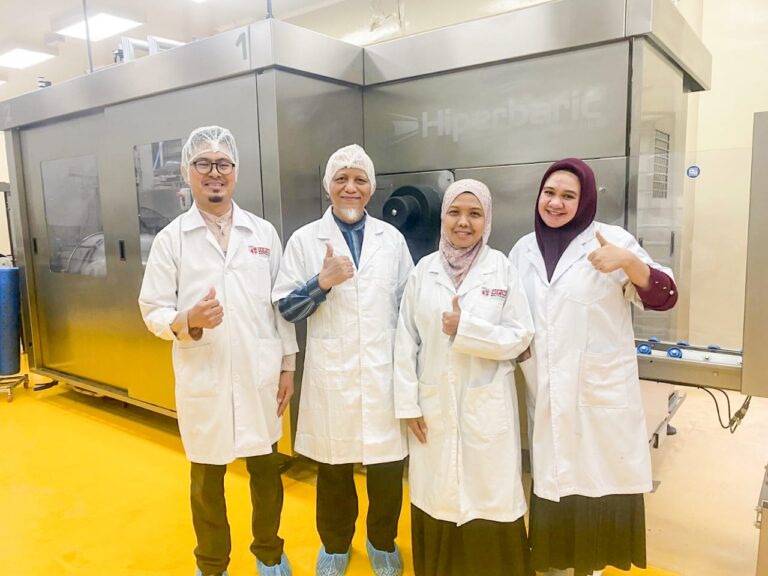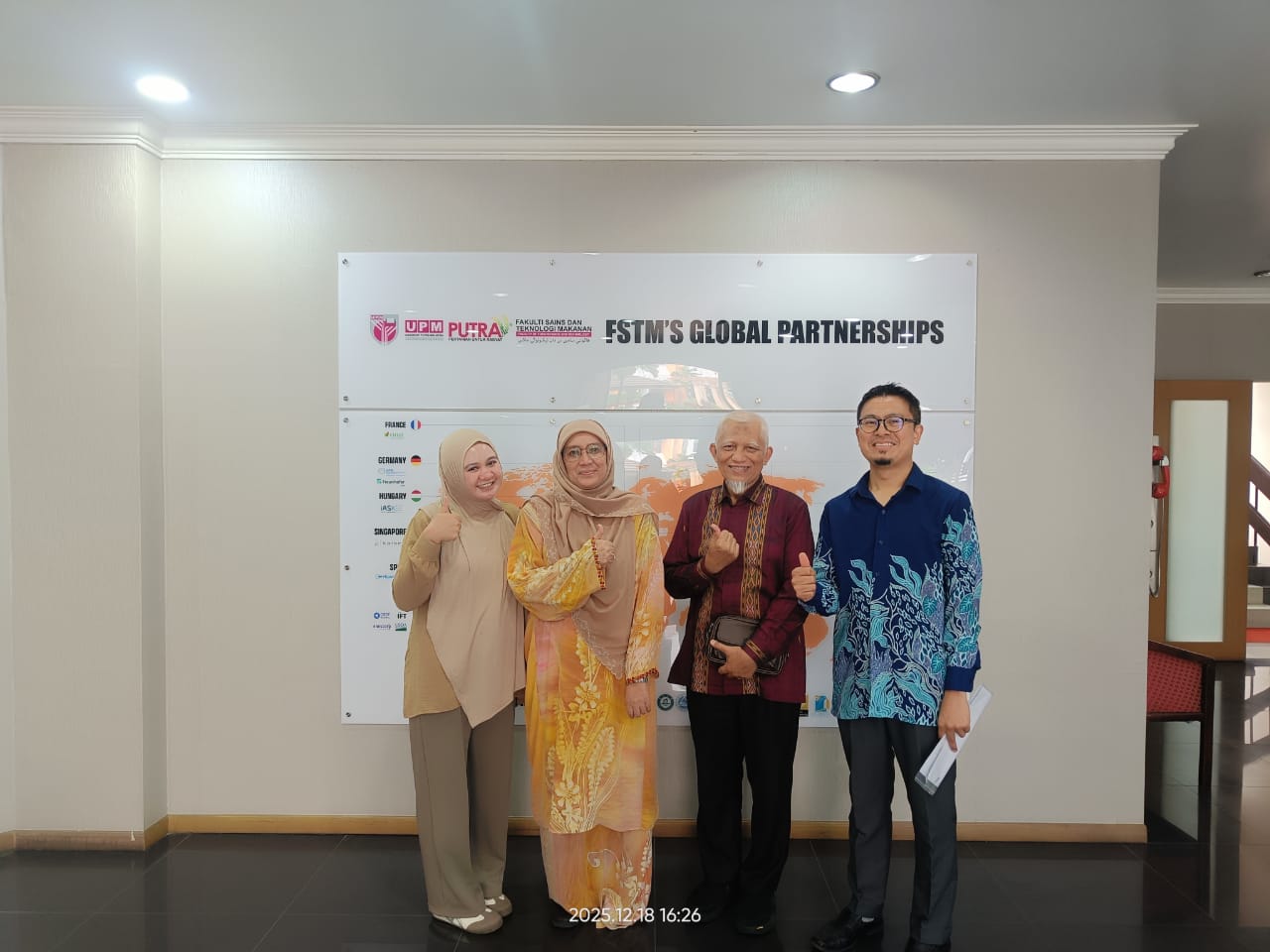

Takalar, South Sulawesi — 2025 — An international collaborative research activity conducted by the Mother and Child Nutrition Research Group (TRG) at Hasanuddin University examined anemia and its nutritional determinants among adolescent girls in coastal South Sulawesi, Indonesia. The research was led by Prof. dr. Veni Hadju, M.Sc., Ph.D., and involved Musfira, a Master’s student in Nutrition Science at Hasanuddin University, together with Ahmad Faizal Abdull Razis from Universiti Putra Malaysia (UPM), Malaysia, and other researchers from Hasanuddin University and Muhammadiyah University of Jakarta. The study demonstrates the contribution of international academic collaboration to addressing adolescent nutrition and future maternal and child health.
The research aimed to identify determinants of anemia among adolescent girls in Galesong Selatan District, Takalar Regency, with particular attention to nutritional status, chronic energy deficiency, dietary iron intake, and adherence to weekly iron–folic acid (IFA) supplementation. The activity involved 336 adolescent girls from junior and senior high schools. Data collection included structured interviews, anthropometric measurements, hemoglobin assessment, dietary intake assessment, and evaluation of health-related factors. Hemoglobin levels were measured using Hemocue Hb 301, while nutritional status was assessed using body weight, height, and mid-upper arm circumference (MUAC) according to WHO standards.
Session Focus: Assessment of Nutritional Status, IFA Consumption, and Anemia
The findings showed that anemia remained a substantial public health concern, with 39.6% of participants classified as anemic. In addition, 16.1% experienced chronic energy deficiency based on MUAC, while 72.0% consumed less than one IFA tablet per week. Statistical analysis demonstrated significant associations between hemoglobin levels and MUAC status (p = 0.023) as well as the frequency of IFA consumption (p = 0.001). Multivariate analysis further identified MUAC (β = 0.147; p = 0.013) and weekly IFA consumption (β = 0.385; p < 0.001) as significant factors associated with hemoglobin levels.
The research provides evidence that anemia among adolescent girls in coastal communities is closely related to nutritional vulnerability and inadequate adherence to weekly IFA supplementation. These findings highlight the importance of early identification of chronic energy deficiency, improvement of dietary quality, and stronger implementation, supervision, and monitoring of adolescent IFA programs.
A key strength of this research activity is its international collaboration between Hasanuddin University, Indonesia, and Universiti Putra Malaysia, Malaysia. The involvement of Ahmad Faizal Abdull Razis as an international academic collaborator and Musfira as a Hasanuddin University Master’s student demonstrates cross-country scientific engagement and student participation in research.
This activity contributes to SDG 3: Good Health and Well-being by supporting evidence-based strategies to prevent anemia and improve adolescent health. It also supports SDG 17: Partnerships for the Goals through international academic collaboration and knowledge exchange between Indonesian and Malaysian researchers. The research strengthens the role of TRG Hasanuddin University in developing collaborative, evidence-based nutrition research for healthier future generations.