
South Batui and Moilong Districts, Banggai Regency, Central Sulawesi — 9 October–17 December 2023 — A community-based nutrition intervention was conducted among 60 undernourished toddlers aged 6–59 months in South Batui and Moilong Districts, Banggai Regency, Central Sulawesi. The activity was implemented by Hardiyanti Alawiyah Nur, Gusti Wira Timaya, and Sandriani Nasir, three midwifery students in a Master’s program, with assistance from Anjelina. The activity focused on improving the nutritional condition of undernourished toddlers through the provision of moringa leaf extract and eggs as nutrient-dense and accessible food sources.
Undernutrition among toddlers remains an important nutritional challenge because inadequate nutrient intake can affect physical growth and increase vulnerability to illness. The intervention therefore focused on providing practical nutritional support to children experiencing undernutrition. The activity aimed to assess the potential of moringa leaf extract combined with eggs in improving weight and height gain among undernourished toddlers.
Session focus: Improving nutritional outcomes among undernourished toddlers through the provision of moringa leaf extract and eggs.
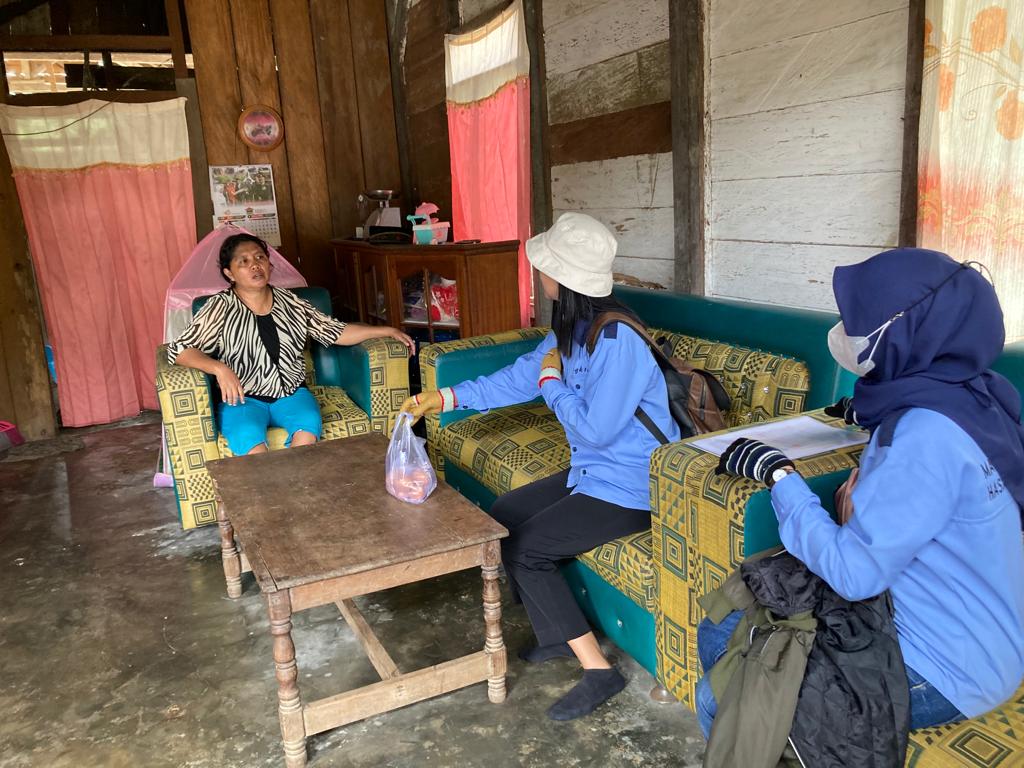
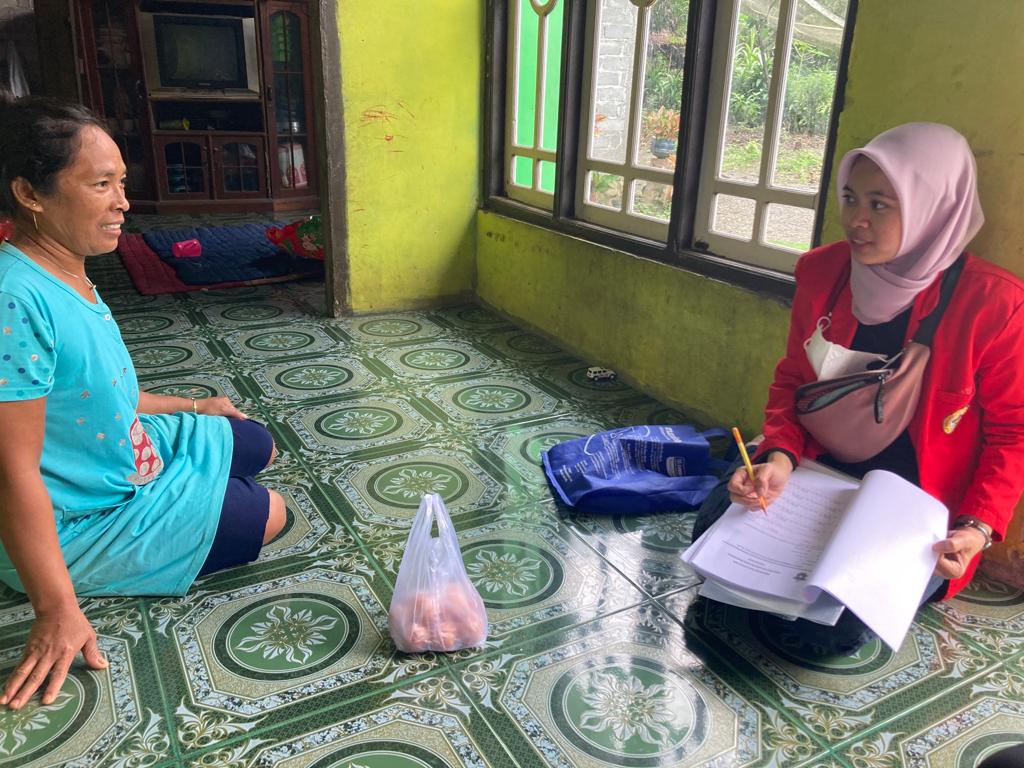
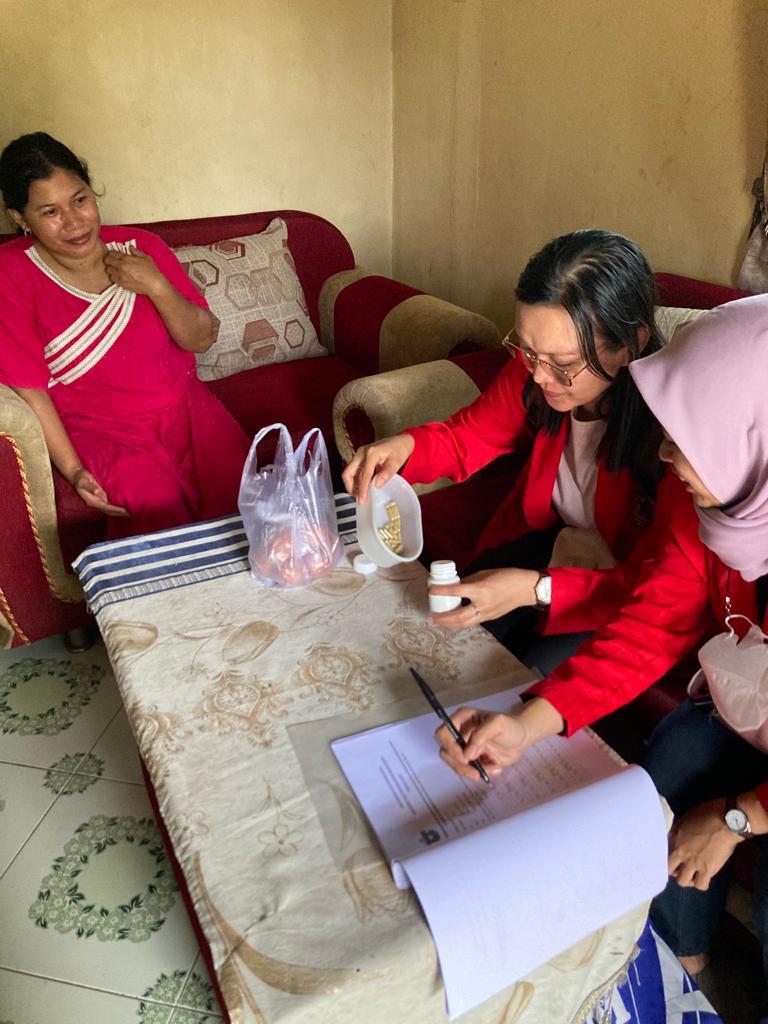
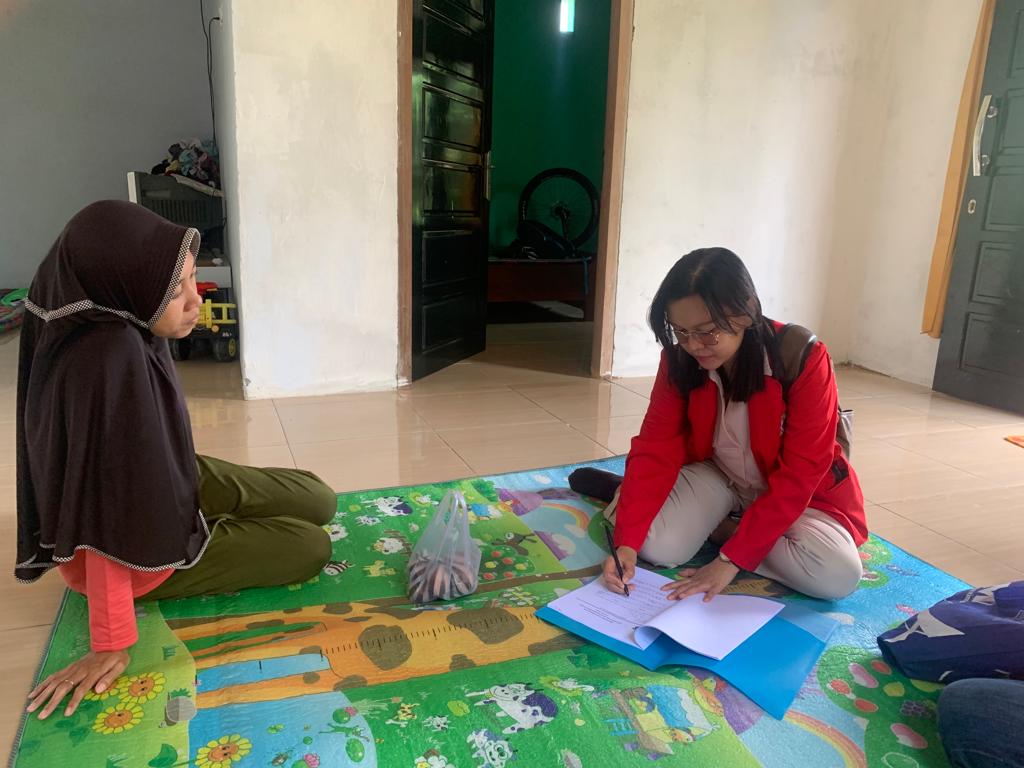
The activity involved 60 toddlers aged 6–59 months with undernutrition who were selected as the target population. Participants were divided into two groups: an intervention group receiving eggs combined with moringa leaf extract and a comparison group receiving eggs alone. The intervention was conducted for 12 weeks, with regular monitoring of the provision and consumption of eggs and moringa leaf extract throughout the intervention period.
Field data collection was conducted directly using the KoboCollect application. Anthropometric measurements were performed to assess the children’s nutritional status before and after the intervention. The measurements included indicators used to evaluate changes in nutritional status, particularly weight and height. Monitoring was also conducted during the intervention to ensure that the nutritional intervention was implemented as planned.
The findings showed positive nutritional effects among toddlers receiving the moringa leaf extract and egg intervention. The intervention significantly improved dietary intake, with an increase in energy intake of 14.1 kcal and carbohydrate intake of 6.67 grams, accompanied by improvements in micronutrient intake. The intervention was also associated with a significant reduction in morbidity, indicating potential health benefits for undernourished toddlers.
The findings demonstrate the potential of combining moringa leaf extract and eggs as an accessible nutritional intervention for undernourished children. The use of these foods may provide a practical approach to improving dietary quality and supporting the nutritional needs of toddlers, particularly among vulnerable populations.
The activity contributes to SDG 2: Zero Hunger by addressing undernutrition and improving dietary intake among vulnerable children. It also supports SDG 3: Good Health and Well-being through efforts to improve child nutritional status and reduce morbidity. The involvement of Master’s students, Anjelina, and community-based health services further demonstrates the integration of academic activities with practical community nutrition interventions.