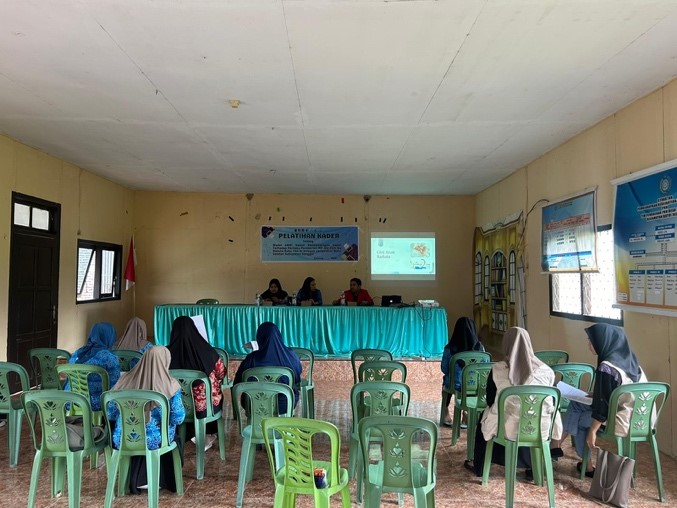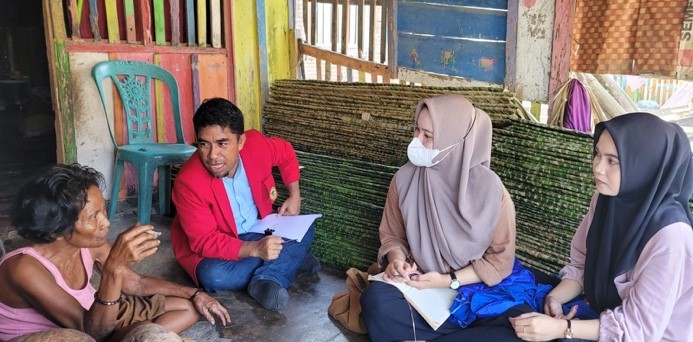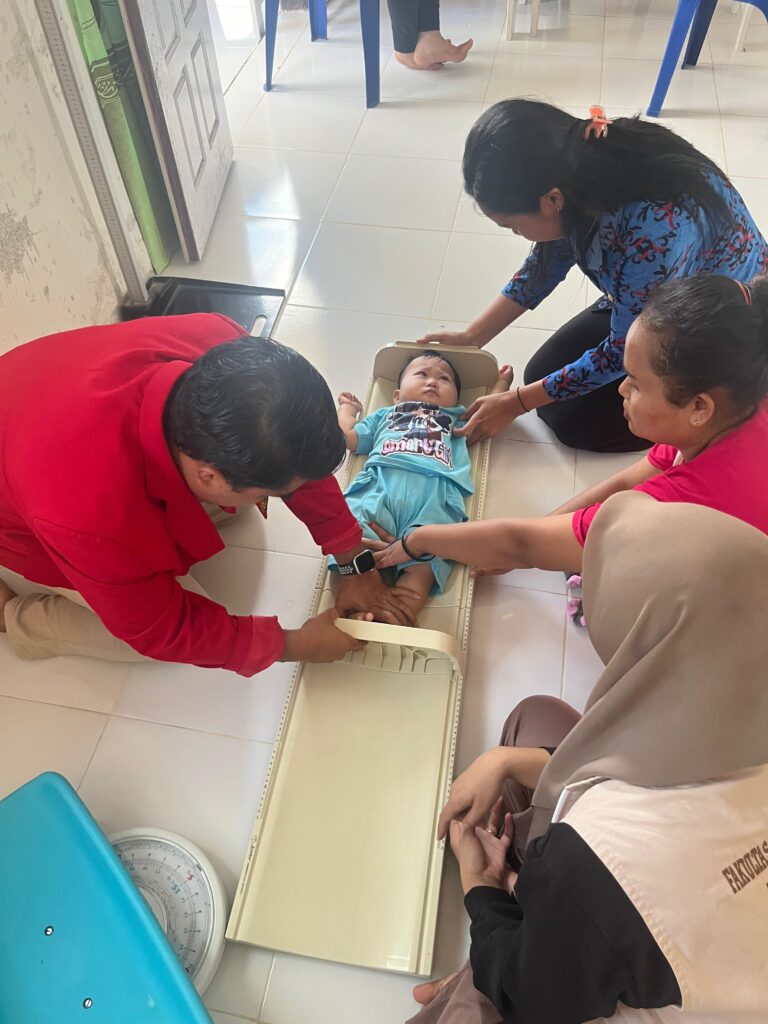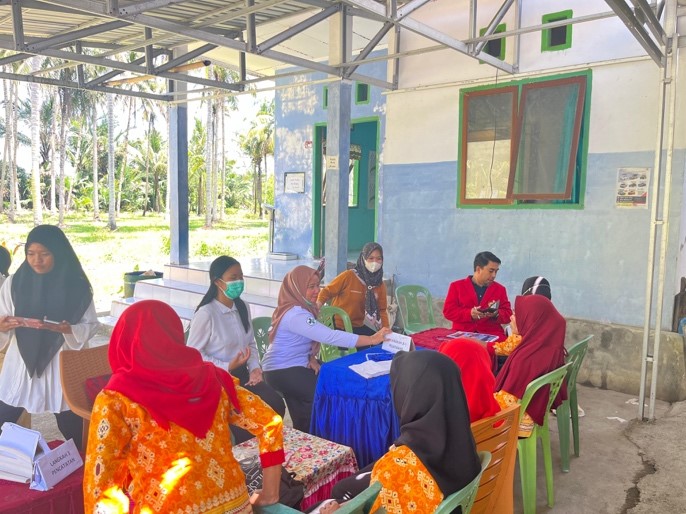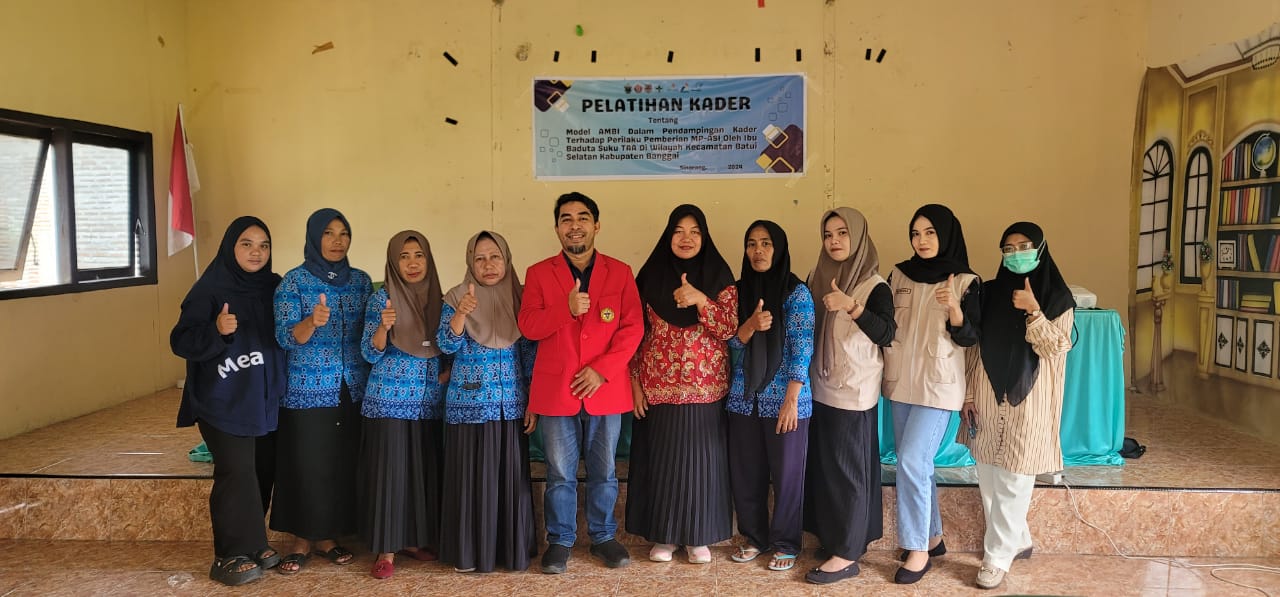

South Batui District, Banggai Regency, Central Sulawesi — 30 August–3 October 2024 — A community-based qualitative research activity was conducted by Ramli Bidullah, a doctoral student at Hasanuddin University, with the assistance of four Posyandu cadres and Dian Ratna, to examine complementary feeding practices among mothers of children under two years of age (baduta) from the Taa Tribe. The activity was conducted in Sinorang Village and Kampung Baru, South Batui District, Banggai Regency, Central Sulawesi. The study focused on understanding how socio-cultural traditions, dietary practices, family values, and economic limitations influence the provision of complementary foods (MP-ASI) to young children.
The study aimed to determine the pattern of MP-ASI provision among Taa mothers and to identify cultural practices associated with the introduction, type, frequency, and preparation of children’s first foods. A qualitative approach was used to obtain an in-depth understanding of mothers’ experiences and local feeding practices.
Session focus: Understanding socio-cultural patterns of complementary feeding among Taa mothers and identifying practices that may influence child nutrition.
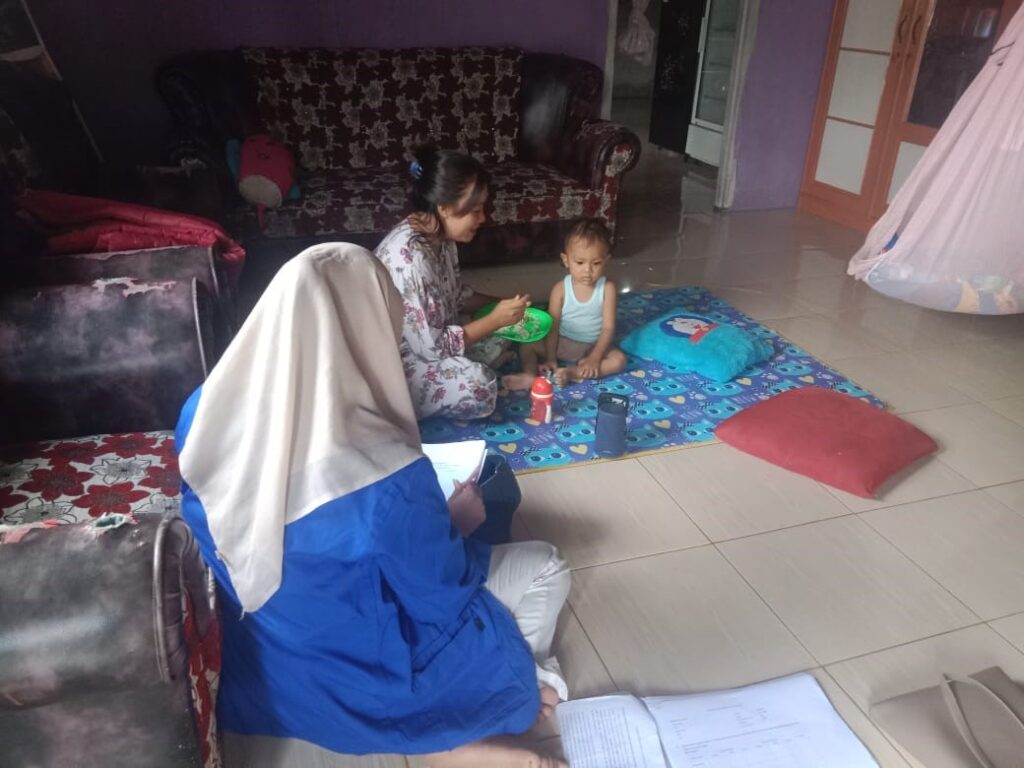
Data were collected through Focus Group Discussions (FGDs), in-depth interviews, and observations. The study involved 10 Taa mothers of children under two years of age as informants, while community leaders and Posyandu cadre leaders served as key informants. These methods provided information on household feeding practices as well as the cultural context underlying the provision of MP-ASI.
The findings showed that complementary feeding practices among the Taa Tribe are closely associated with a local tradition known as “Pusiri.” This tradition is practiced when children receive their first food and is accompanied by rituals and prayers repeated seven times, expressing the hope that the child will grow healthy and strong and have abundant sustenance for up to seven generations. The first food provided through the Pusiri tradition is generally Louwe banana, a local type of banana that is boiled and then mashed or strained. The Pusiri tradition is carried out by family members, particularly mothers or grandmothers.
The study also found that MP-ASI was generally introduced before the child reached six months of age, commonly at four, five, or six months. The types of complementary foods included both homemade and commercially prepared foods. Homemade MP-ASI consisted of strained porridge, boiled bananas, and mashed tubers, while commercially prepared food included SUN porridge. Feeding frequency varied from two to three times per day.
Despite the variety of foods provided, most mothers used a food texture that was not appropriate for the child’s age. Complementary feeding was also not sufficiently varied, particularly in meeting children’s needs for vegetables and fruits. These findings indicate the importance of understanding local cultural practices when developing strategies to improve complementary feeding.
The activity contributes to SDG 3: Good Health and Well-being by identifying feeding practices relevant to child health and nutrition. It also supports SDG 2: Zero Hunger through its focus on improving the adequacy, quality, and diversity of complementary foods for young children. The findings provide an evidence base for culturally sensitive nutrition education that respects local traditions while promoting age-appropriate and diverse complementary feeding practices.