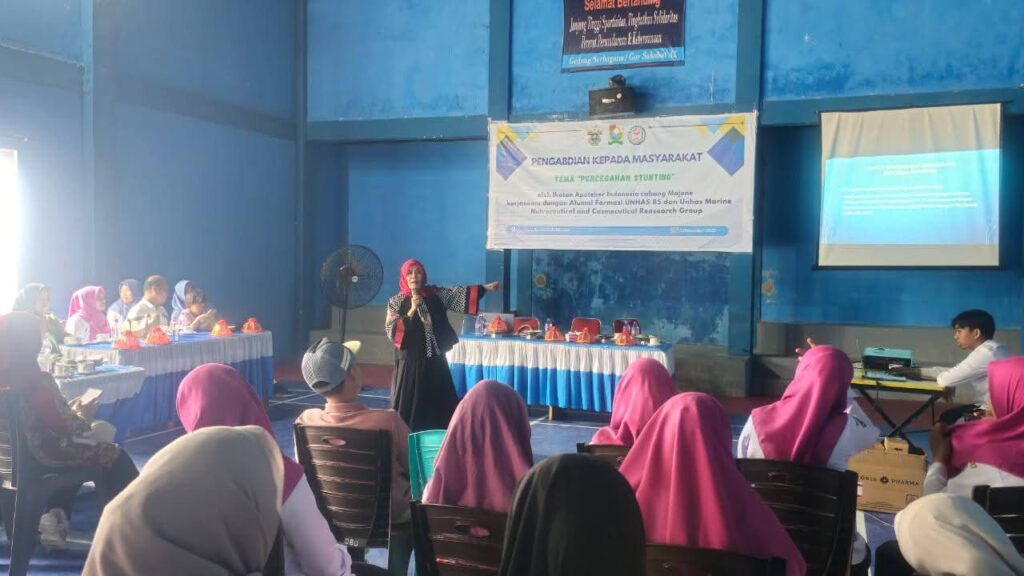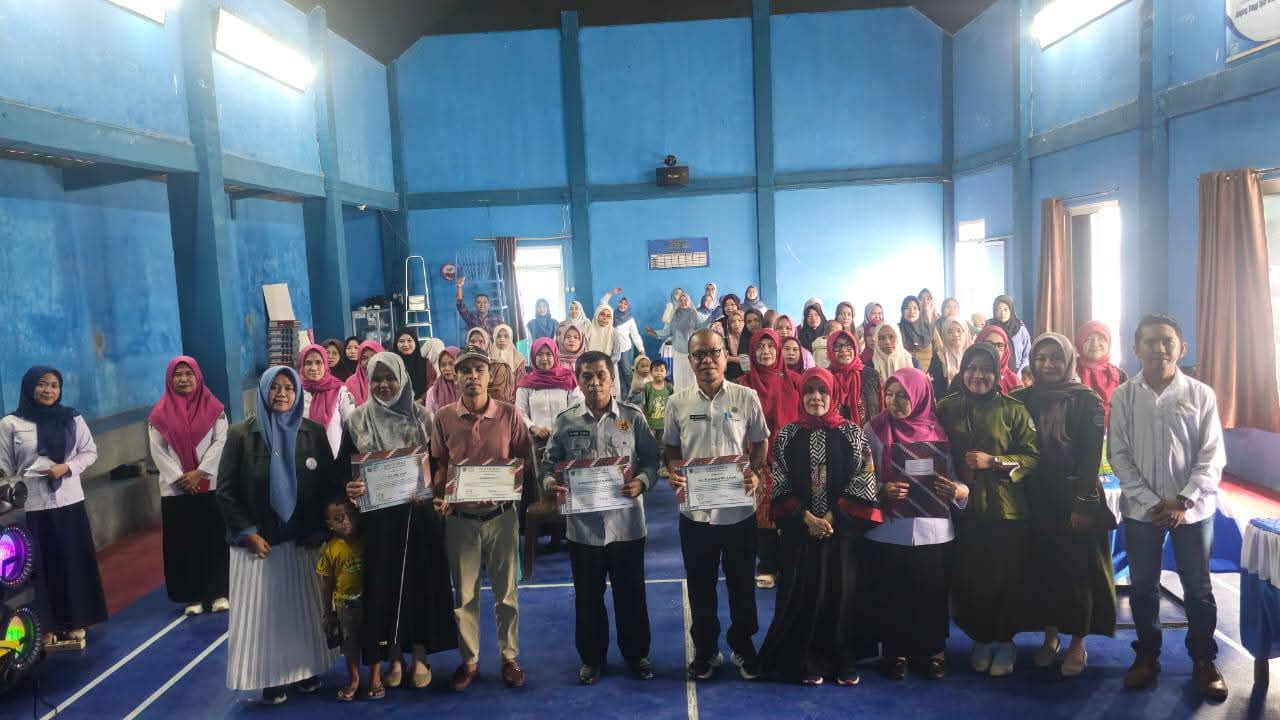

Community service is most impactful when it bridges local strengths with urgent health needs. In collaboration with the UNHAS 85 Mathematics and Natural Sciences Faculty Alumni Association and the Indonesian Pharmacists Association of Majene Region, the Hasanuddin University Marine Nutraceutical and Cosmeceutical Research Group successfully conducted a community service initiative on December 13th, 2025, at the Bonde Village Sports Hall, Pamboang District, Majene Regency, under the theme “From Marine to Stunting Prevention and Treatment.” The activity was attended by 55 participants, particularly women from the local community.
As a coastal community, Bonde Village has abundant marine resources that serve not only as an economic asset but also as an important potential source of nutritious food. This potential is particularly relevant in addressing child stunting, a condition characterized by impaired growth and development associated with chronic or recurrent nutritional deficiencies and other health-related factors. According to the South Sulawesi Nutritional Status Survey, the stunting prevalence in Majene Regency reached 37.5% in 2025, while Pamboang District recorded 42.92% in July 2024. These figures highlight the importance of strengthening community-based approaches to nutrition and child health.
The activity provided participants with practical knowledge about the nutritional value of marine products. Fish, shellfish, and seaweed can provide important nutrients, including high-quality protein and various vitamins and minerals that support children’s growth and development. Participants were encouraged to recognize locally available marine foods as affordable and accessible components of a diverse and balanced diet.
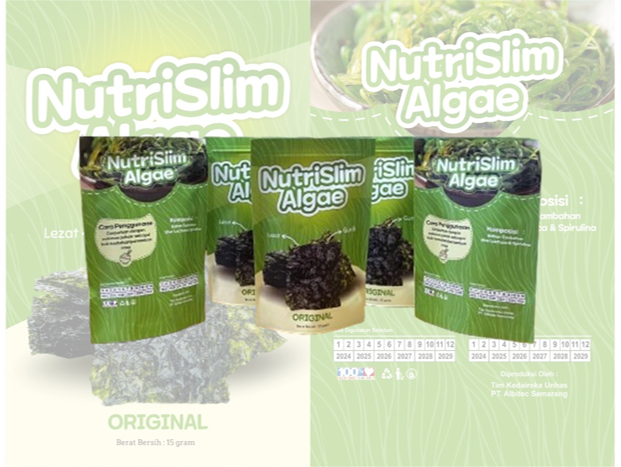
An important part of the activity focused on preparing complementary foods using local marine ingredients, including fish powder and seaweed flour. Through nutrition education, mothers learned practical ways to incorporate these ingredients into child-friendly meals. The sessions emphasized that improving children’s nutritional intake should be accompanied by appropriate complementary feeding, hygiene, regular growth monitoring, and access to health services. Children identified with growth problems require proper assessment and follow-up by qualified health professionals.
The initiative also highlighted the connection between nutrition, economic empowerment, and sustainable community development. Women’s groups and local cooperatives can potentially process marine products into nutritious food products while creating additional economic opportunities for households. This approach demonstrates how local resources can support both improved nutrition and community resilience.
The activity directly contributed to Sustainable Development Goal (SDG) 1: No Poverty by promoting the utilization of locally available marine resources to support household food security and potential economic activities. It also advanced SDG 3: Good Health and Well-being and SDG 4: Quality Education through health and nutrition education. Furthermore, the responsible use and appreciation of marine resources reflected SDG 14: Life Below Water, while collaboration among universities, professional organizations, alumni, and communities strengthened SDG 17: Partnerships for the Goals.
Ultimately, “From Marine to Stunting Prevention and Treatment” demonstrated how local knowledge, scientific education, and community collaboration can transform marine resources into meaningful opportunities for better nutrition and healthier families. By empowering women with practical knowledge, the initiative encouraged the Bonde community to take collective action toward healthier children while preserving the value of its coastal heritage.