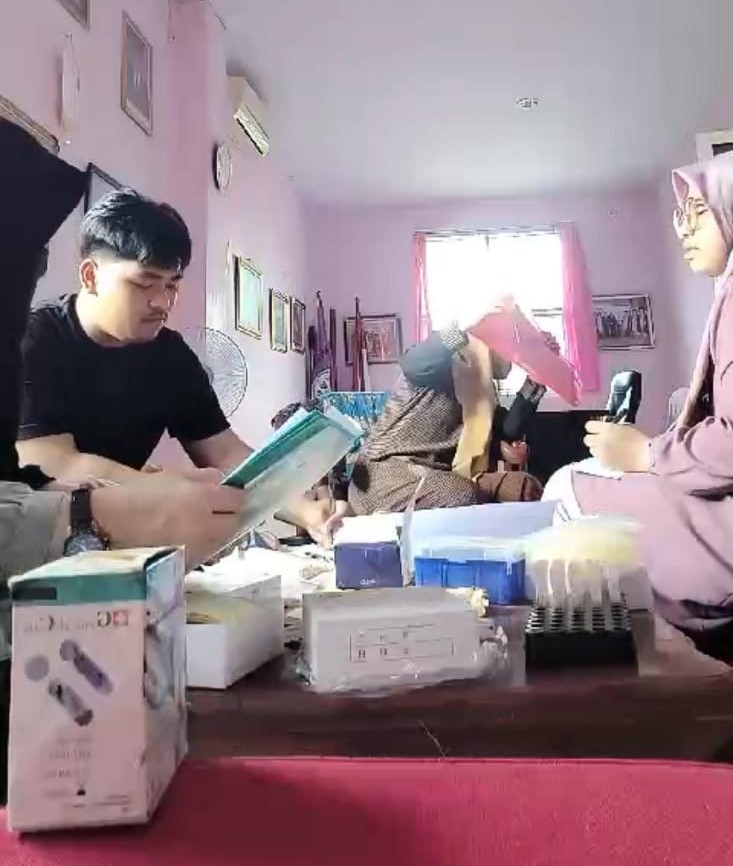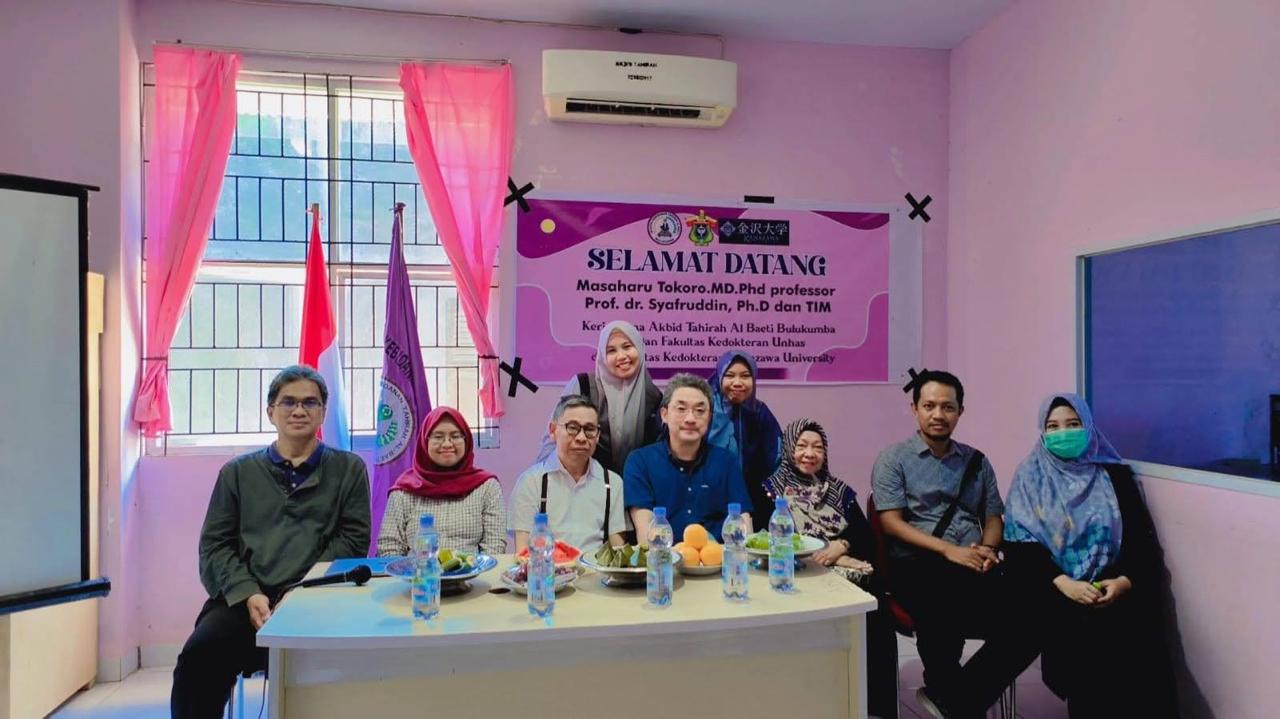

[Bulukumba, February 11, 2025] – Our research team conducted a field sampling activity in Bulukumba Regency as part of an ongoing prospective cohort study entitled “Intestinal Protozoa Dynamics in Toddlers.” This activity represents a continuation of a long-term research initiative that has been carried out since 2021. The study follows a cohort of children whose parents have provided informed consent for their participation since birth, allowing researchers to monitor health and microbiological changes over time.
A total of 100 participants were involved in this sampling activity, all of whom are toddlers enrolled in the cohort. The primary objective of this research is to better understand the dynamics of intestinal protozoa, including both commensal and potentially pathogenic species, and their interactions within the developing gut ecosystem. By applying a prospective cohort approach, this study generates valuable longitudinal data, providing deeper insights into how intestinal microorganisms evolve during early childhood and how they influence growth, immunity, and overall health.
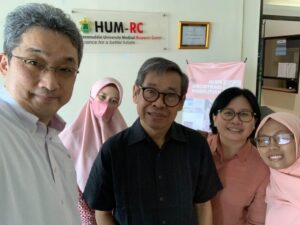
This field activity was carried out with the support of an international collaborator, Prof. Masaharu Tokoro, MD., Ph.D, whose expertise has significantly strengthened the scientific rigor of the study. This study involves Dr. Puji, dr. Arifah, PhD student Erniawati, as well as staff member Tahirah Al-Baeti, and is supported by laboratory staff Malaria and Vector Resistance. The involvement of these contributors reflects a strong commitment to fostering collaborative research and developing the next generation of scientists.
The sampling process was conducted with strict adherence to ethical standards, community engagement, and data quality assurance. This activity also involved five primary health care centers (Puskesmas, PKM) in the study area, namely PKM Calle, PKM Balibo, PKM Ponre, PKM Borong Rappoa, and PKM Ujung Loe, as well as Bulukumba Regional Hospital. The collected samples will be further analyzed in the laboratory to identify intestinal protozoa and will be associated with the child’s clinical condition, along with other relevant factors such as demographic characteristics. Researchers worked closely with local communities to ensure participants and their families were well-informed and comfortable throughout the process, thereby strengthening trust and cooperation.
This activity directly contributes to several Sustainable Development Goals (SDGs). It supports SDG 3 (Good Health and Well-being) by advancing research on early childhood intestinal health. It also contributes to SDG 4 (Quality Education) by promoting hands-on learning and research capacity building. Furthermore, it strengthens SDG 17 (Partnerships for the Goals) through international and institutional collaboration. In addition, this research aligns with SDG 1 (No Poverty), as improving child health can reduce healthcare burdens and support long-term economic stability in resource-limited settings.
Overall, this sampling activity represents a significant milestone in the continuation of a long-term cohort study. By integrating scientific research, community engagement, and global collaboration, this initiative contributes to advancing knowledge in intestinal protozoology and improving public health outcomes.