


Introduction
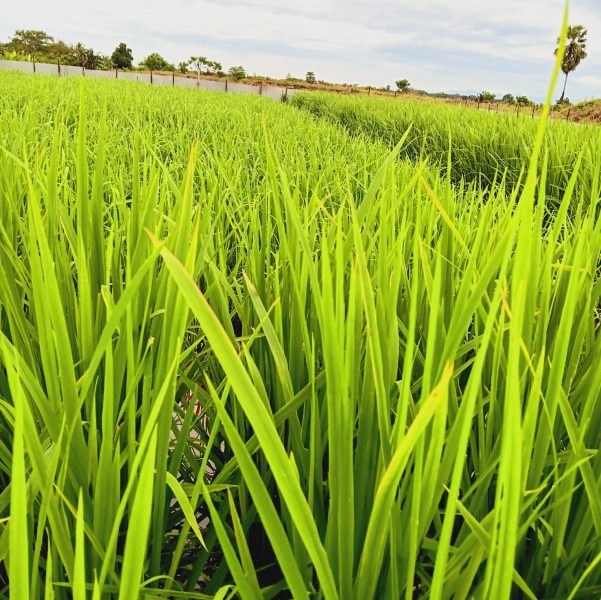
Plant pests and diseases significantly restrict the cultivation of essential crops in South Sulawesi, Indonesia, encompassing various food, horticultural, and estate crops. Farmers predominantly rely on synthetic pesticides to address pest and disease issues. In general, this control tactic is effective but poses risks to consumers, non-target organisms, and the environment, rendering this control method unsustainable. To reduce the use of synthetic pesticides and their possible negative consequences, addressing the challenges requires an integrated management strategy. The integrated strategy is a sustainable approach grounded in scientific research and decision-making processes that amalgamate biological, physical, and chemical control measures to maintain or regulate pest populations and plant damage from diseases below economically detrimental levels and simultaneously minimize economic, health, and environmental risks. The Research Group of Integrated Management of Pest and Disease (IMPD) at Hasanuddin University (Unhas) has a dependable interdisciplinary team and internationally recognized collaborators with experience engaging in research projects and implementing IMPD. Our team is deeply committed to formulating IMPD solutions through research initiatives. It is keen to assist farmers in addressing pest and disease challenges in safer manners by disseminating information and technologies we developed through community outreach efforts.
Our Mission
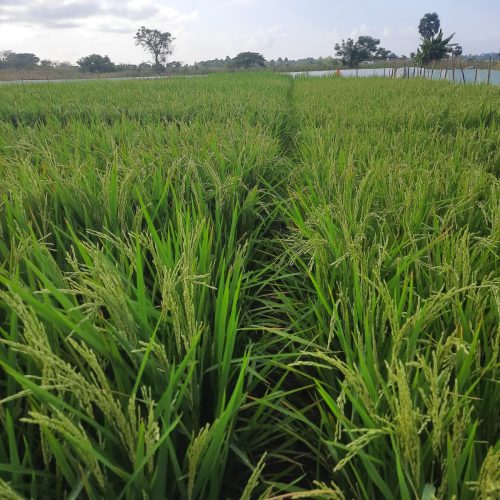
1. To conduct research and develop strategies for integrated management of plant pests and diseases for farmers to implement in their farming practices. Our research interests are the bioecology of pests and pathogens, environmental influences (including climate change) on pest and plant disease attacks, resistant varieties, natural enemies of pests (predators, parasitoids, and entomopathogens), plant pathogen antagonists, pesticide efficacy (organic/biological and synthetic), and pest and disease management in plant cultivation. This integrated management technique will benefit farmers financially, provide sustainable crop production practices, make nutritious and affordable agricultural commodities available to the community, and maintain a healthy environment.
2. To educate farmers about the integrated management of plant pests and diseases through extension activities and demonstration plots. In addition, our study findings will be published in reputable international scientific journals.
Our Aim
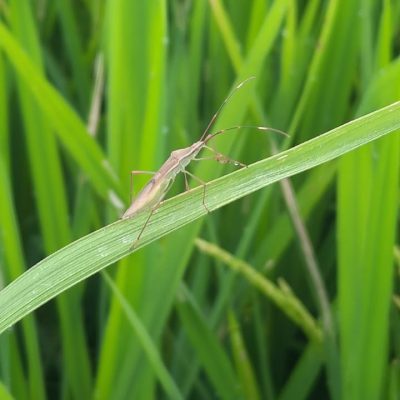
1. To provide integrated management strategies for essential plant pests and diseases of main crops in Indonesia, especially South Sulawesi, based on the results of our research activities.
2. To transfer knowledge and technologies for integrated management of plant pests and diseases to farmers through outreach activities and demonstration plots.
3. To disseminate the results of our research through publications in reputable international scientific journals.