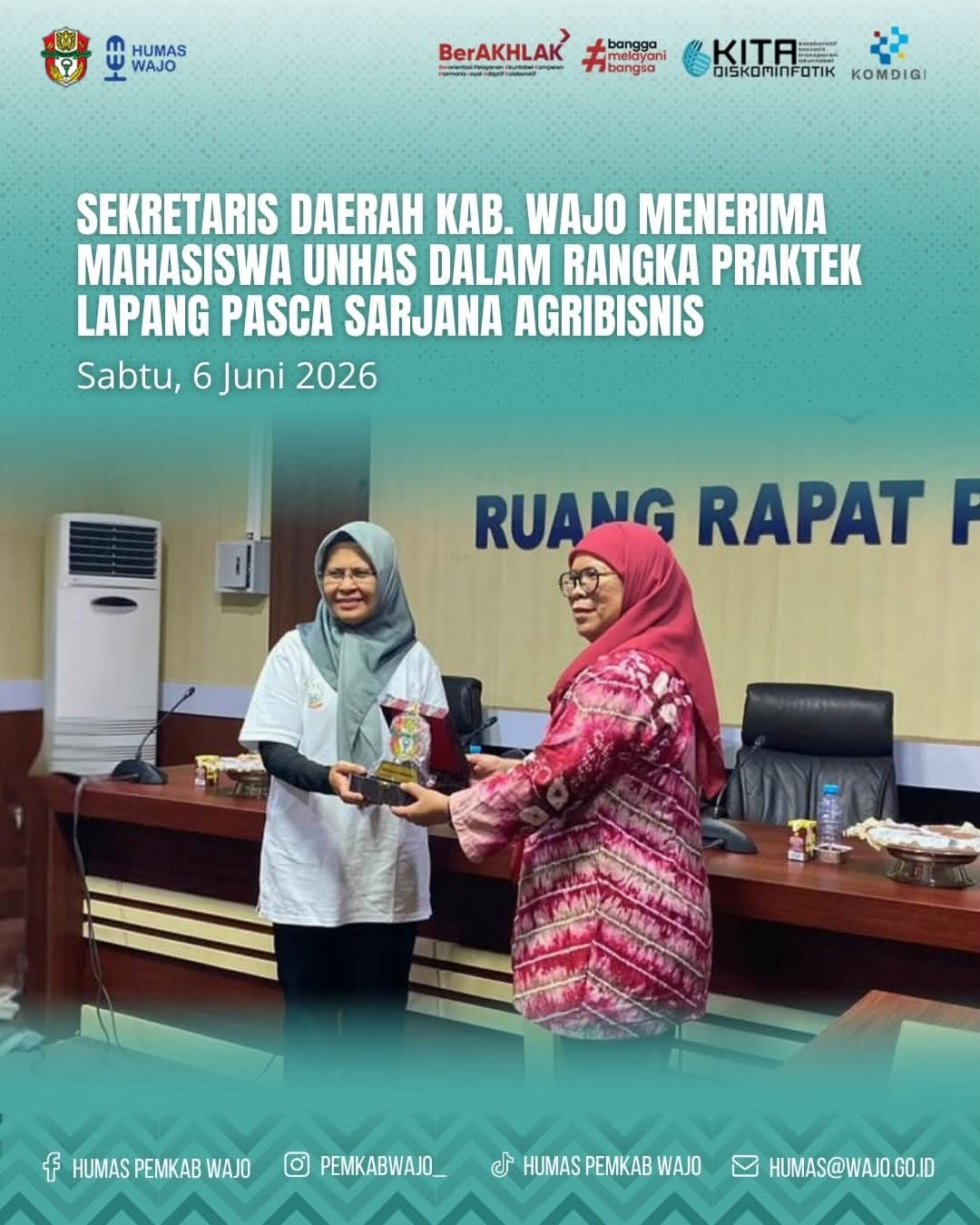

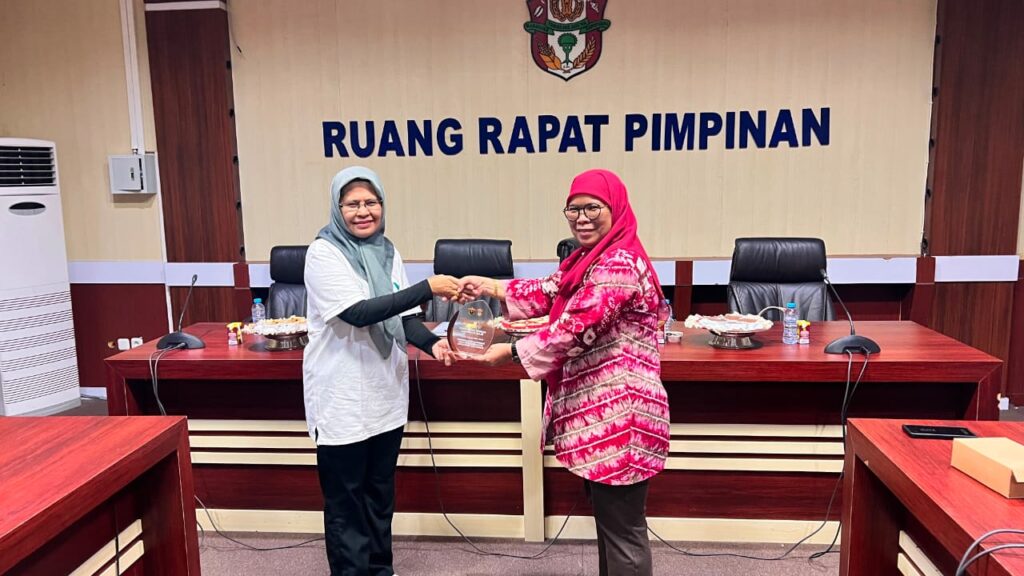
From June 6–7, 2026, a specialized field practicum was conducted in Wajo Regency as part of the Master’s Program in Agribusiness. This activity aimed to directly observe the operational dynamics of oil palm cattle integration, an agroecological system designed to enhance productivity while minimizing environmental waste. The field visit was officially marked by the reception of the TRG Team and Master’s students by the Regional Secretary of Wajo Regency, signifying strong local government support for knowledge-based agricultural innovation.
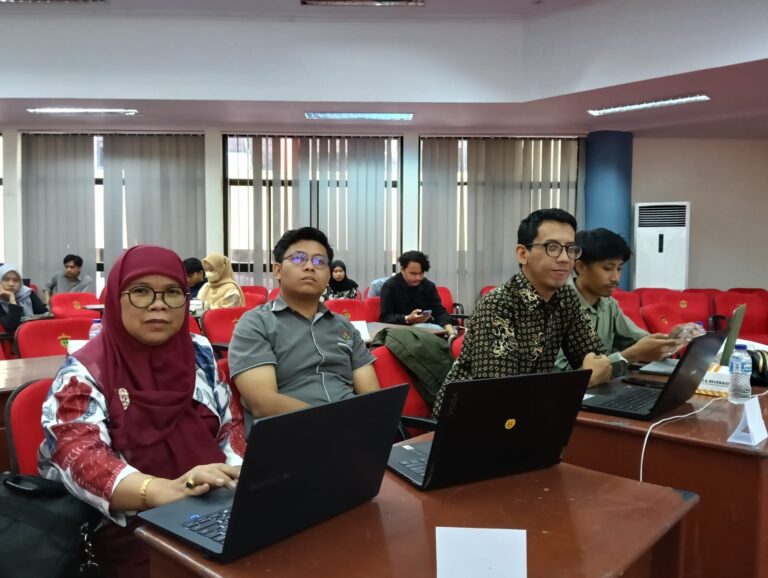
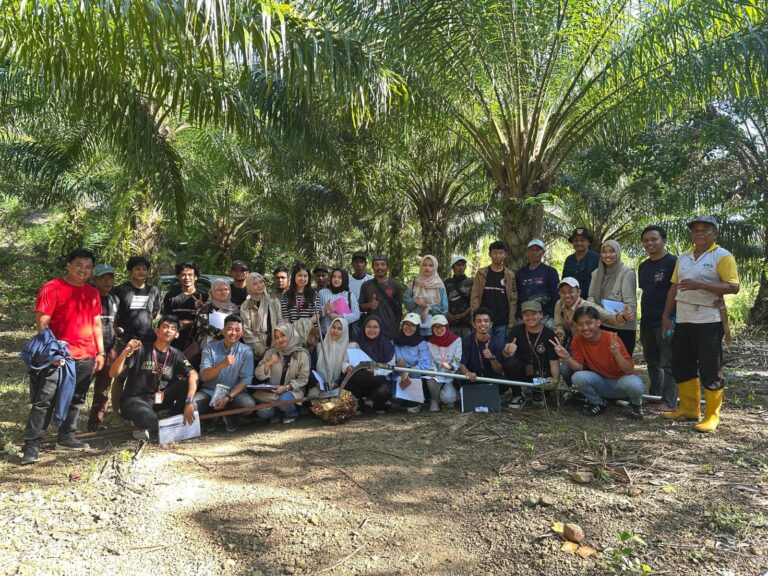
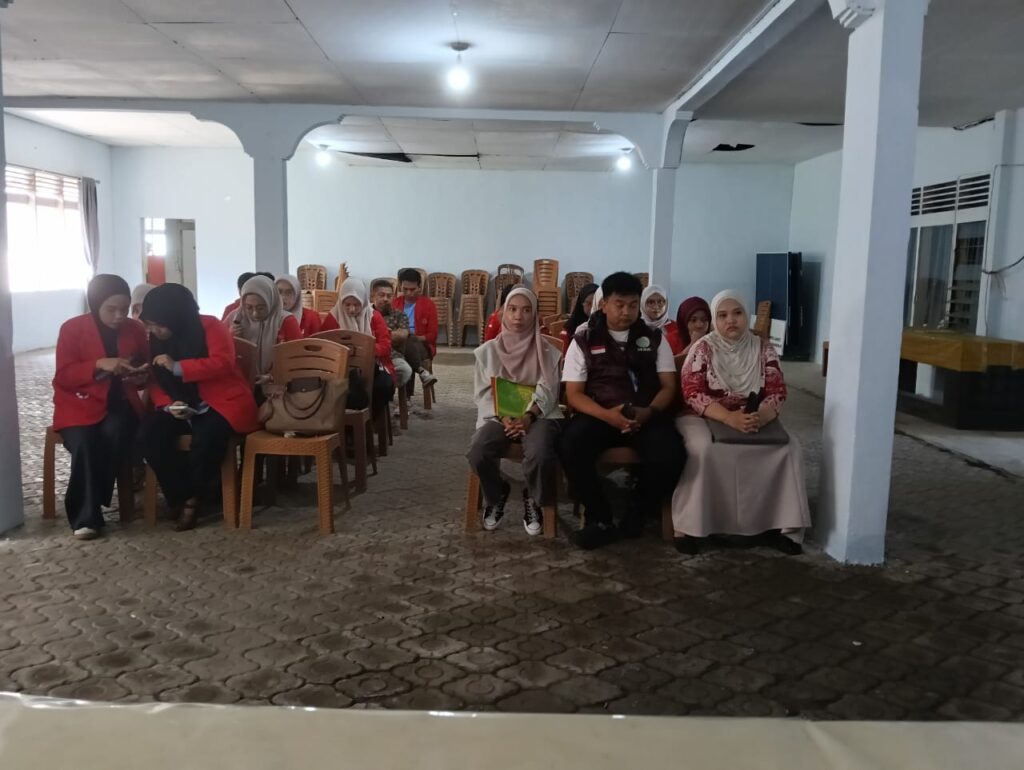
A total of 21 graduate students participated in this practicum, accompanied by field respondents. The structured observation involved 21 respondents, with each student engaging 7 respondents across four strategic villages: Maniangpajo, Anabanua, Maritengngae, and Sogi. This participatory approach allowed students to gather empirical data on land use efficiency, cattle integration under oil palm canopies, and socioeconomic benefits for smallholders.
This practicum explicitly contributes to three Sustainable Development Goals (SDGs) : SDG 1 (No Poverty), SDG 4 (Quality Education), and SDG 17 (Partnerships for the Goals). Regarding SDG 1, the integration model observed in Wajo Regency reduces production costs for smallholders by utilizing palm by-products as cattle feed, while cattle manure serves as organic fertilizer for oil palm. This circular economy approach directly increases net farm income, creating a financial buffer against poverty. In line with SDG 4, the practicum provided experiential and transformative learning, enabling graduate students to apply agribusiness theories to real-world agrarian challenges. The field method strengthened problem-solving and analytical skills beyond conventional classroom settings. Furthermore, SDG 17 was demonstrated through multi-stakeholder synergy: collaboration between the university, the TRG Team, local village respondents, and the Regional Secretary’s office formed a functional knowledge partnership. This alliance facilitated data sharing, policy dialogue, and joint evaluation of sustainable agribusiness models.
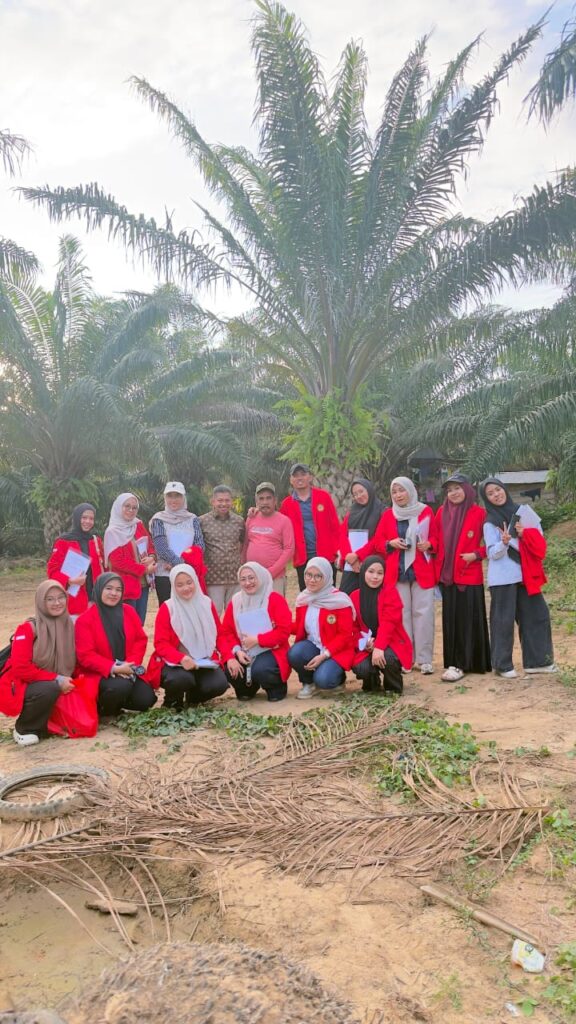
During the visit, students observed technical aspects including rotational grazing patterns, carrying capacity assessment of palm estates, and cattle health management under integrated systems. The Regional Secretary emphasized that such integration supports rural resilience and reduces land-use conflicts. The team also noted that Wajo Regency’s approach contributes indirectly to SDG 15 (Life on Land) by preserving soil fertility through organic input, and SDG 3 (Good Health and Well-being) by reducing chemical fertilizer exposure among farming families. However, the core policy alignment remains with SDGs 1, 4, and 17 as primary pillars.
In conclusion, this 2 day field practicum successfully transformed theoretical agribusiness knowledge into actionable insight. The structured engagement with 21 respondents across Maniangpajo, Anabanua, Maritengngae, and Sogi provided rich qualitative data on the socio-ecological benefits of oil palm cattle integration. By formally linking university curricula with local government and grassroots partners, the activity exemplified how targeted educational field programs can accelerate sustainable development. Such models deserve replication across other palm-producing regions to achieve inclusive growth and responsible production.