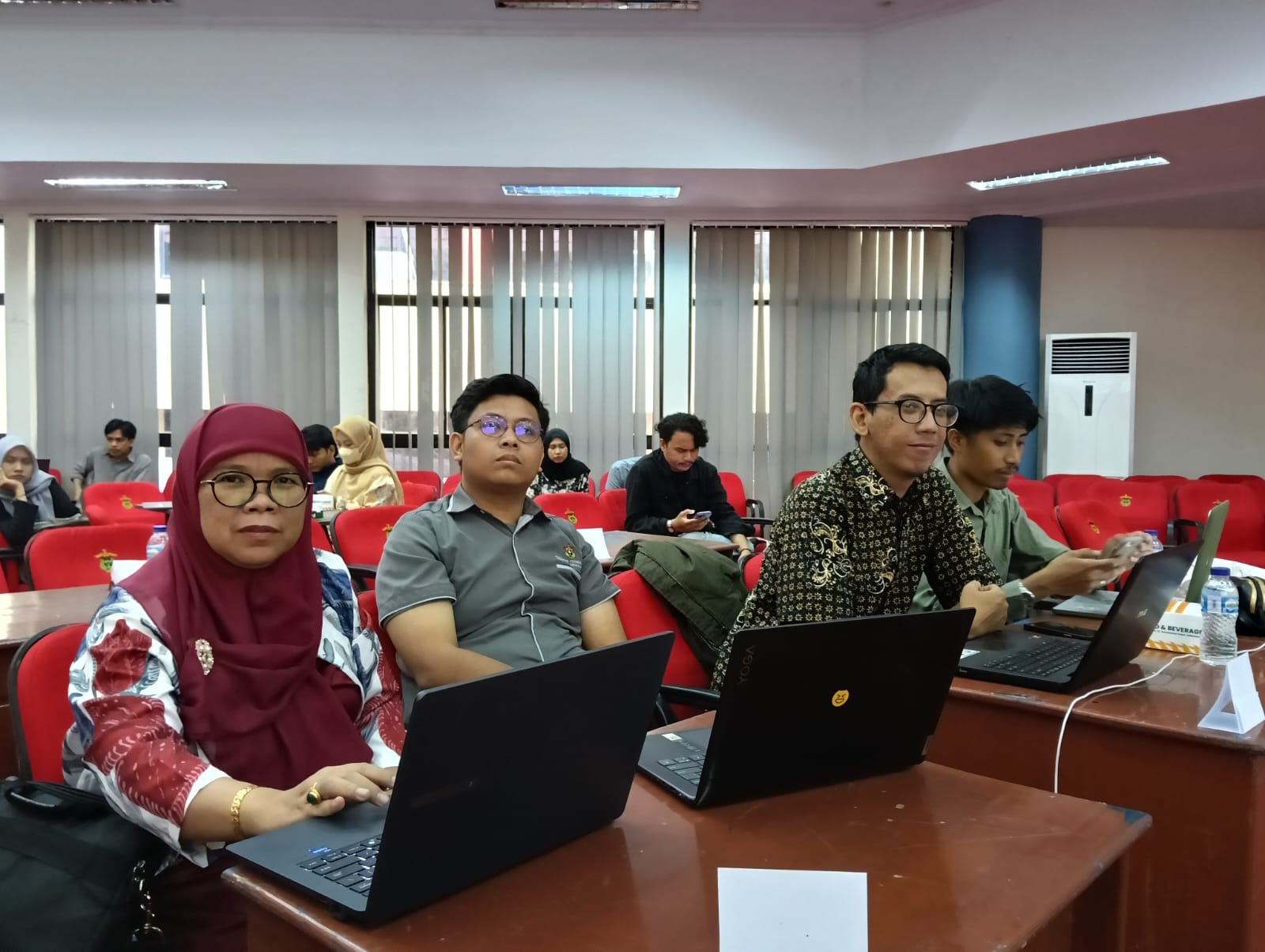

On 07 April 2026, a strategic coordination meeting titled “Improvements to TRG Website Performance and Security” was held at the Aula LPPM Universitas Hasanuddin. The session brought together 40 Team Research Group participants, comprising content managers, IT support staff, and data administrators. The primary objective was to provide clear technical direction regarding two critical areas: updating activity reports on the TRG website and strengthening the platform’s overall security architecture.
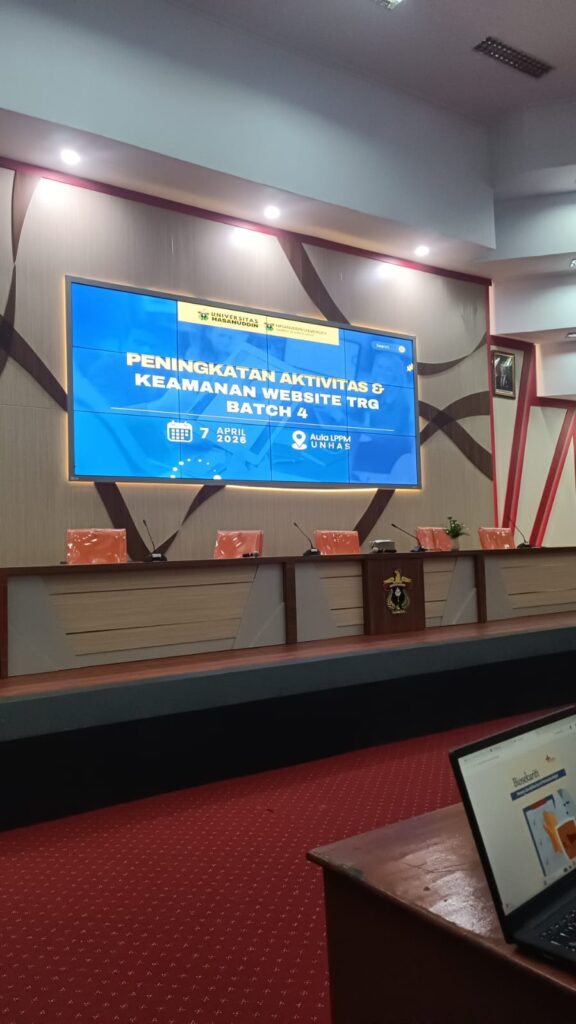
In the current digital era, a research or institutional website serves as the primary gateway for information dissemination, collaboration, and public accountability. Recognizing this, the TRG team initiated a structured workshop to review recent content updates, standardize activity posting procedures, and identify potential vulnerabilities in the website’s backend system. Participants engaged in hands-on sessions covering SSL certificate renewal, user access level management, routine backup protocols, and threat detection mechanisms such as firewall configuration and anti-malware scans.
The agenda also emphasized the importance of consistent, accurate, and timely content updates. Each team member was trained to document ongoing activities using a unified template, ensuring that uploaded narratives, images, and metadata align with institutional branding and transparency standards. This systematic approach not only improves internal workflow but also builds public trust in the information published by TRG.
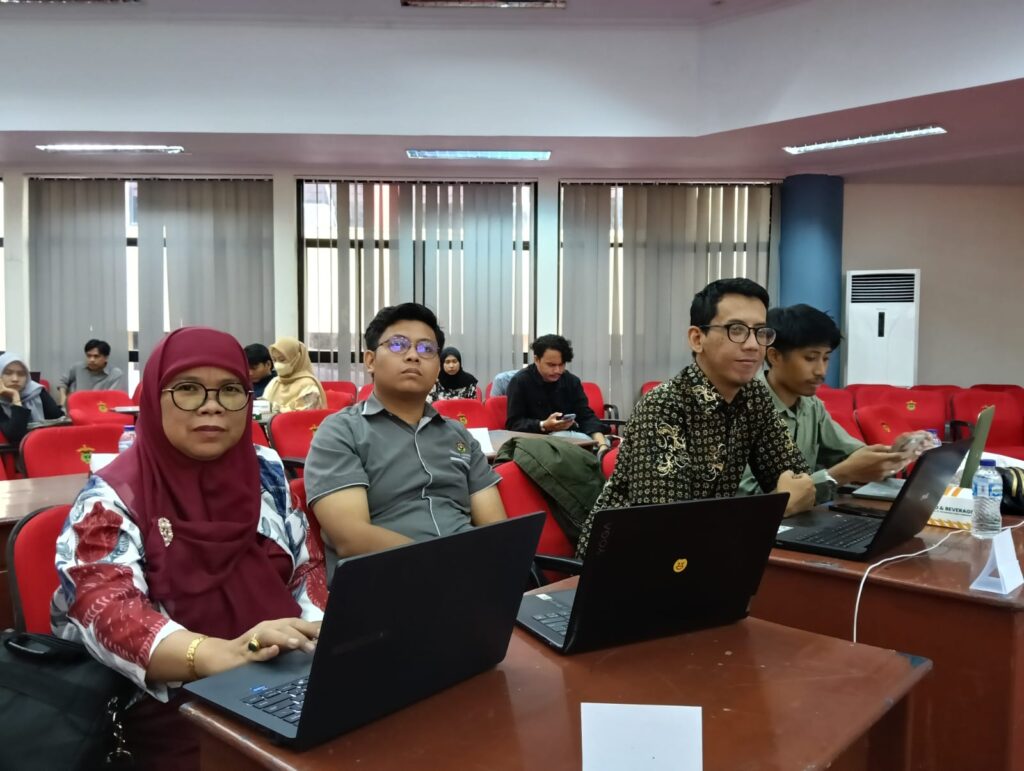
From a broader development perspective, this initiative contributes meaningfully to several Sustainable Development Goals (SDGs). Specifically, it supports SDG 1 (No Poverty) by ensuring that digital infrastructure accessible even to underserved communities remains reliable and secure, thereby enabling equitable access to knowledge and opportunities. It advances SDG 4 (Quality Education) by equipping the TRG team with continuous digital literacy and cybersecurity skills, which are essential for modern educational and research environments. Furthermore, it reinforces SDG 17 (Partnerships for the Goals) through the collaborative nature of the training, where diverse roles within the TRG team worked together, sharing expertise to build a resilient digital ecosystem. Other relevant SDGs implicitly addressed include SDG 3 (Good Health and Well-being) by reducing digital stress and misinformation, and SDG 15 (Life on Land) indirectly through efficient digital documentation of environmental research data.
By the end of the session on 07 April 2026, the 40 Team Research Group participants successfully developed an updated content calendar, implemented enhanced security protocols, and established a monthly website audit schedule. This activity marks a significant step toward ensuring that the TRG website remains a safe, dynamic, and trustworthy platform capable of supporting the team’s mission while upholding global standards for digital sustainability and inclusive access.