


MAKASSAR, Indonesia February 28 2026/IDLF-RG/- Did you know that your daily coffee is not just about taste or caffeine? In East Timor, coffee is a lifeline for thousands of small farmers. But according to a 2026 study published in the Transactions of the Chinese Society of Agricultural Machinery (Nongye Jixuebao), keeping coffee sustainable is not only about healthy trees or clean water. It is about power, land rights, and cooperation.
Researchers assessed the coffee system in East Timor using a method called RAPFISH. They looked at two things: political governance (rules, cooperatives, conflict resolution) and ecological health (soil, water, biodiversity). The result? Both dimensions are only moderately sustainable with politics scoring 56.47 and ecology 64.25 out of 100.
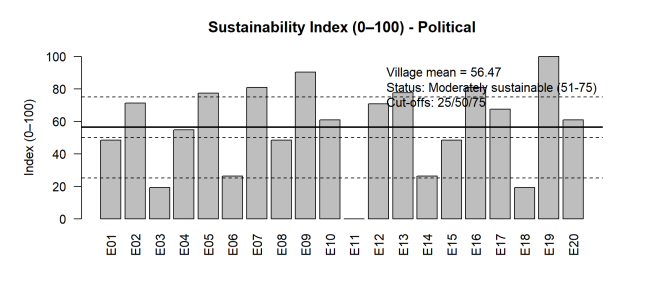
This connects directly to SDG 15: Life on Land. Why? Because the single biggest threat to coffee farming is land conversion pressure turning forests and agroforestry into roads, settlements, or other crops. When land is cleared, biodiversity drops, soil erodes, and water cycles break. The study shows that even if farmers use good practices, their efforts fail if land-use policies are weak.
Here is the surprising part: ecological health is actually stronger than political health. But that is fragile good news. The researchers found that political problems like weak cooperatives, unfair power relations, and poor conflict resolution are the real bottlenecks. Without fixing these, ecological gains will not last.
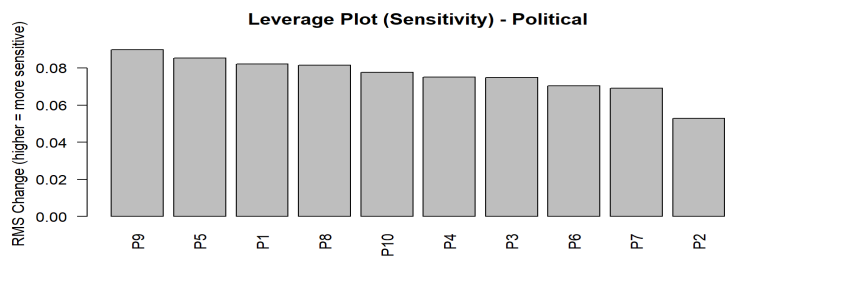
So, what does this mean for SDG 15? Protecting life on land means protecting coffee landscapes. But you cannot protect land without fair land tenure, strong local institutions, and inclusive decision-making. The study proves that sustainability is not just biology it is politics.
Therefore, strengthening farmer cooperatives, securing land rights, and managing land use at the landscape level are not optional. They are urgent. Your coffee can be a tool for peace and forests if we get the politics right.
Reference
Contact:
Prof. Sitti Nurani Sirajuddin
+62 813-8965-4334
sitti.nurani@unhas.ac.id