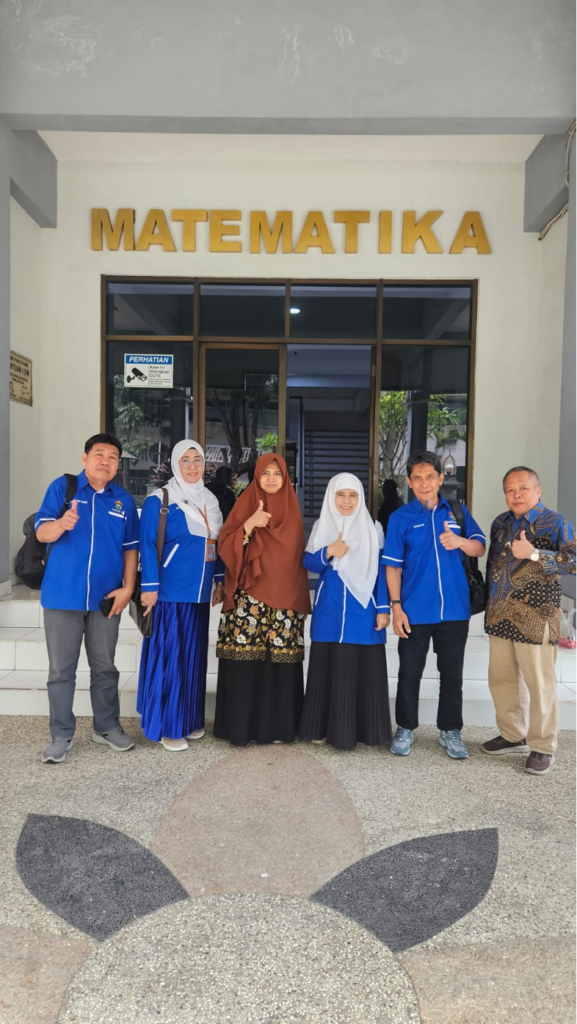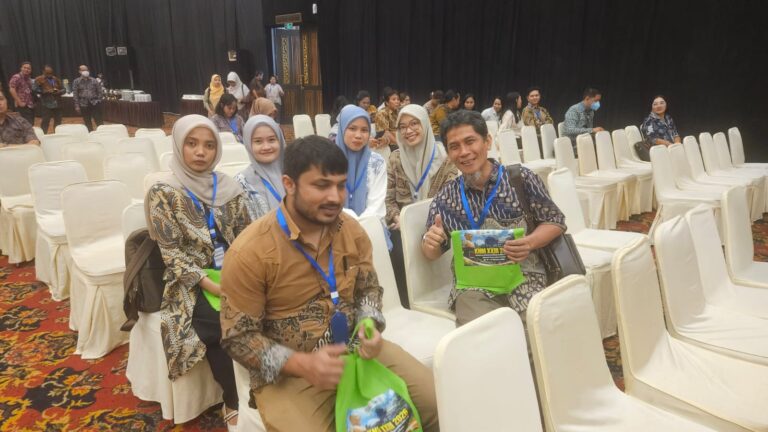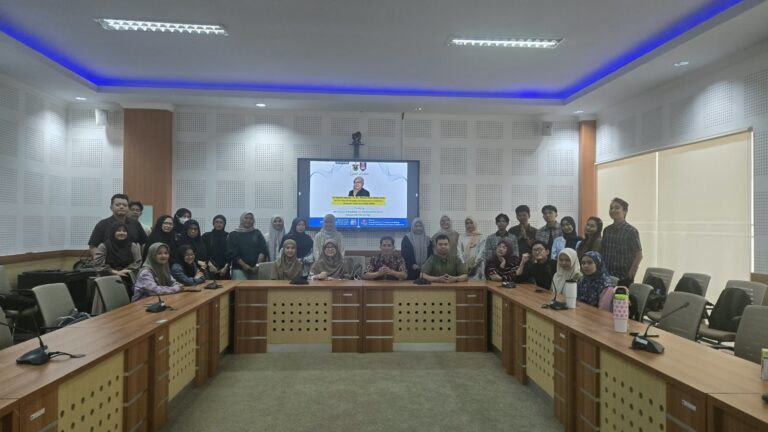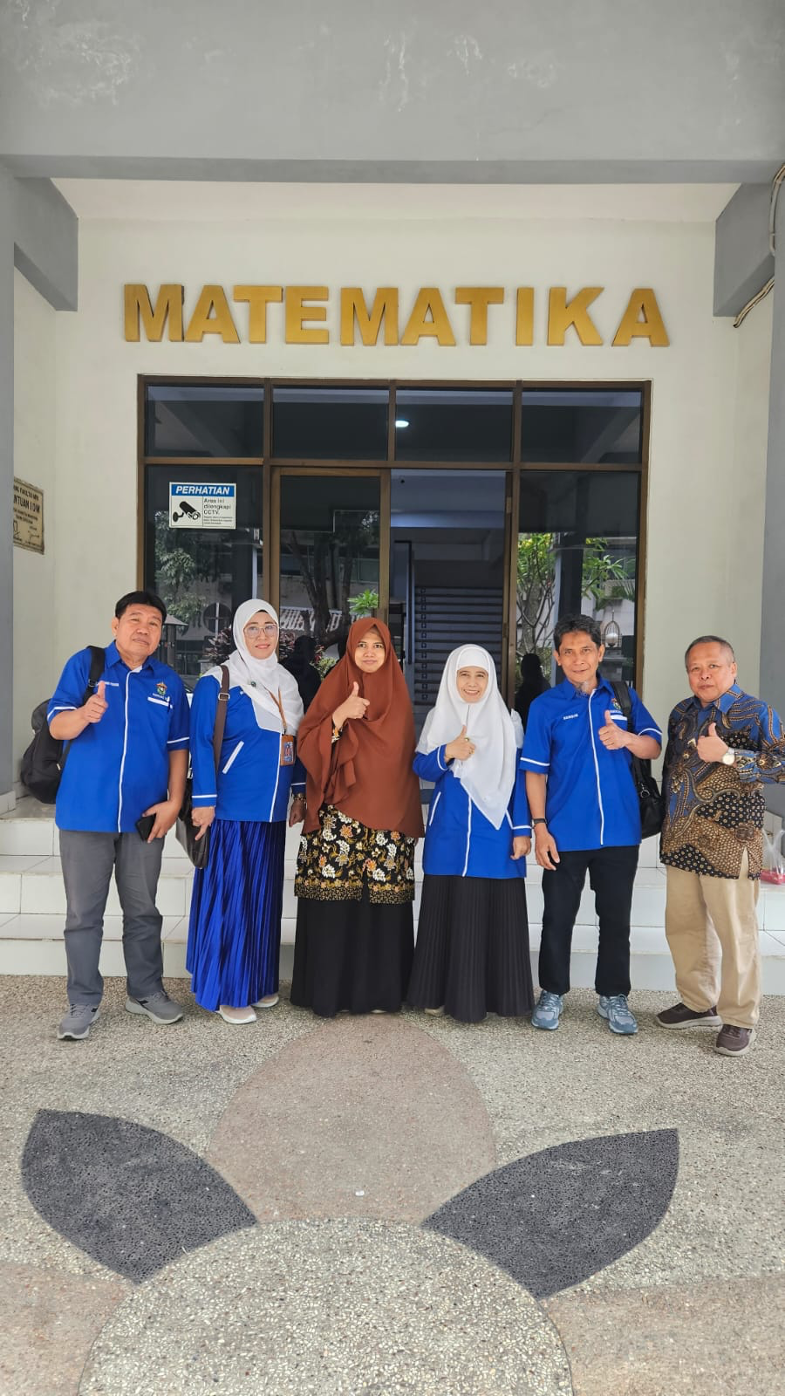

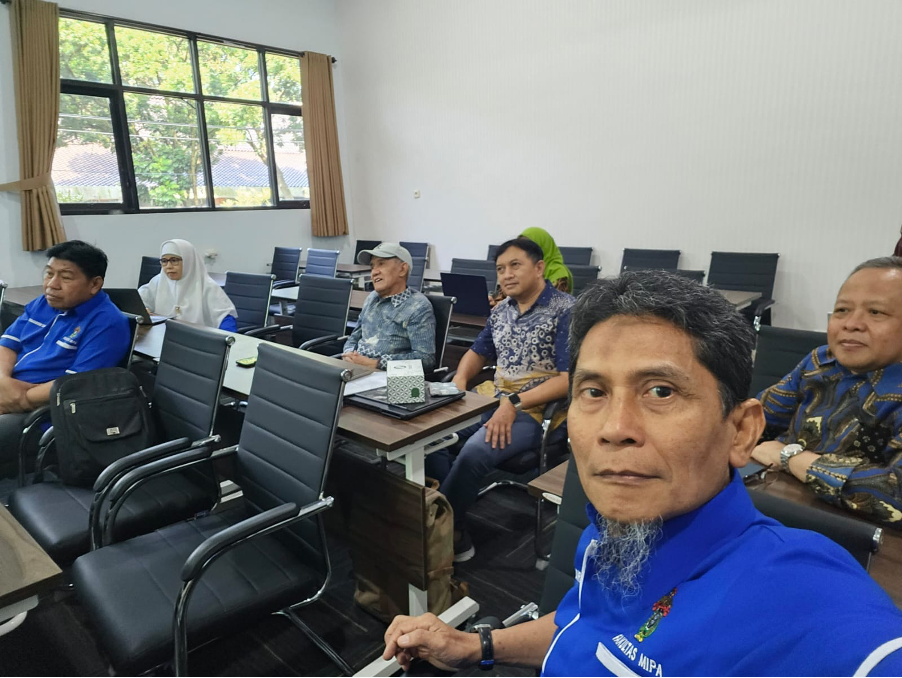
On 26 June 2026, a group of 15 lecturers participated in an Academic Visiting activity at Universitas Brawijaya, Malang. The visit was designed as an academic forum for exchanging knowledge, experiences, and institutional practices related to the development of research groups and the management of a Master’s Program in Mathematics. Through this activity, the participants explored practical strategies for strengthening research productivity, improving postgraduate education, and expanding sustainable collaboration between higher education institutions.
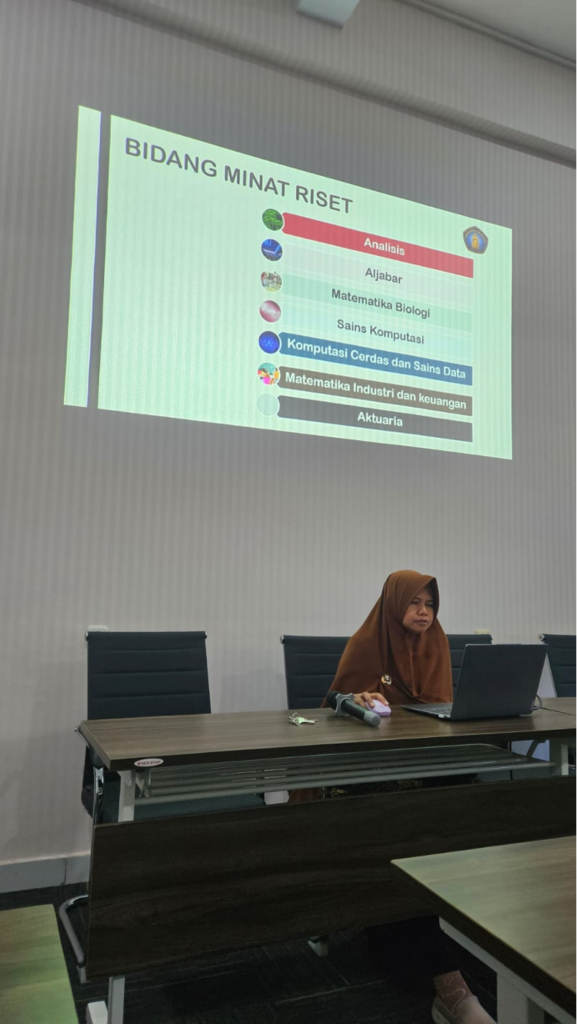
The academic visit began with an institutional discussion involving lecturers and program representatives. The participants shared information about the organizational structure, research priorities, and academic activities of their respective research groups. This session provided an opportunity to understand how research groups can be managed as active academic communities that connect lecturers, postgraduate students, and research partners. The discussion also highlighted the importance of regular research meetings, collaborative publications, joint supervision, seminars, and the involvement of students in relevant research projects.
Another central agenda of the visit was the sharing of good practices in managing a Master’s Program in Mathematics. The discussion covered curriculum development, student recruitment, academic advising, quality assurance, thesis supervision, publication requirements, and strategies for improving student completion rates. Participants also examined how a postgraduate program can maintain academic standards while remaining responsive to developments in mathematics, data science, computation, education, and interdisciplinary research. These exchanges offered valuable insights for enhancing the quality, relevance, and competitiveness of mathematics postgraduate education.
The activity directly supports Sustainable Development Goal 4: Quality Education by encouraging continuous improvement in higher education, research-based learning, and postgraduate program governance. Stronger academic management can provide students with a more supportive learning environment, better supervision, and wider access to research opportunities. In the long term, improved postgraduate education can also contribute to Sustainable Development Goal 1: No Poverty, because advanced education and research capacity can strengthen human resources, expand professional opportunities, and support the development of knowledge-based solutions for social and economic challenges.
Furthermore, the visit reflects Sustainable Development Goal 17: Partnerships for the Goals. Academic collaboration between institutions is essential for sharing expertise, developing joint research, increasing publication quality, and creating broader academic networks. Partnerships can also lead to guest lectures, collaborative seminars, student exchanges, joint supervision, and future research projects that benefit both institutions.
Overall, the Academic Visiting activity at Universitas Brawijaya served as a meaningful platform for institutional learning and academic partnership. By bringing together 15 lecturers on 26 June 2026, the activity strengthened mutual understanding regarding research group development and the effective management of a Master’s Program in Mathematics. It is expected that the knowledge and connections established during the visit will be followed by concrete collaborative programs that advance mathematics education, research excellence, and sustainable institutional development.