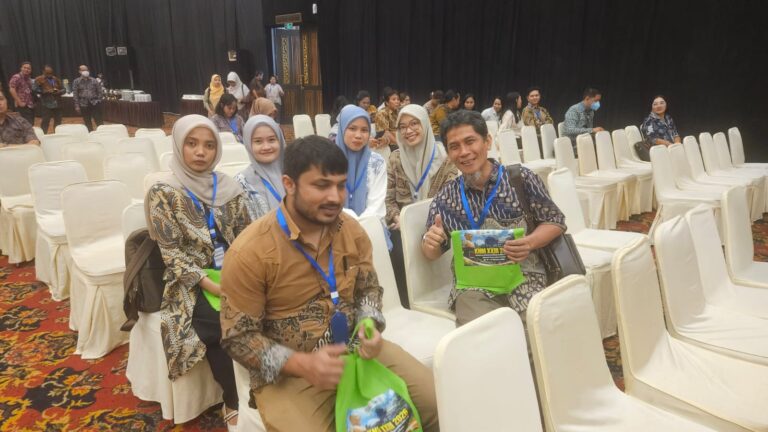
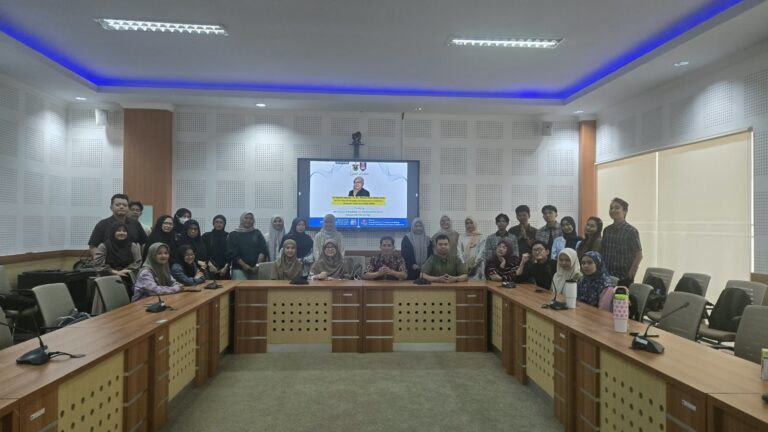
On 14 May 2026, the Master’s Program in Mathematics at Universitas Hasanuddin conducted an academic promotion and outreach activity at Universitas Mulawarman, East Kalimantan. Entitled “Promotion of the Master’s Program in Mathematics and Socialization of the Thematic Research Group,” the activity was designed to introduce the academic profile, learning opportunities, research environment, and future career prospects offered by the Master’s Program in Mathematics at Universitas Hasanuddin. At the same time, the event provided an important platform for presenting the concept and activities of the Thematic Research Group, commonly referred to as TRG, to prospective graduate students and lecturers at Universitas Mulawarman.
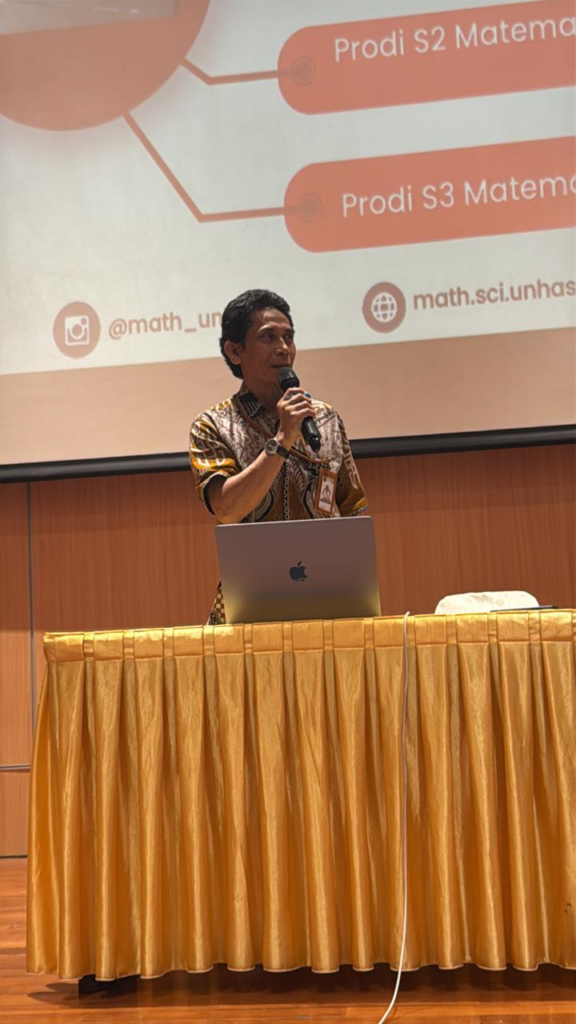
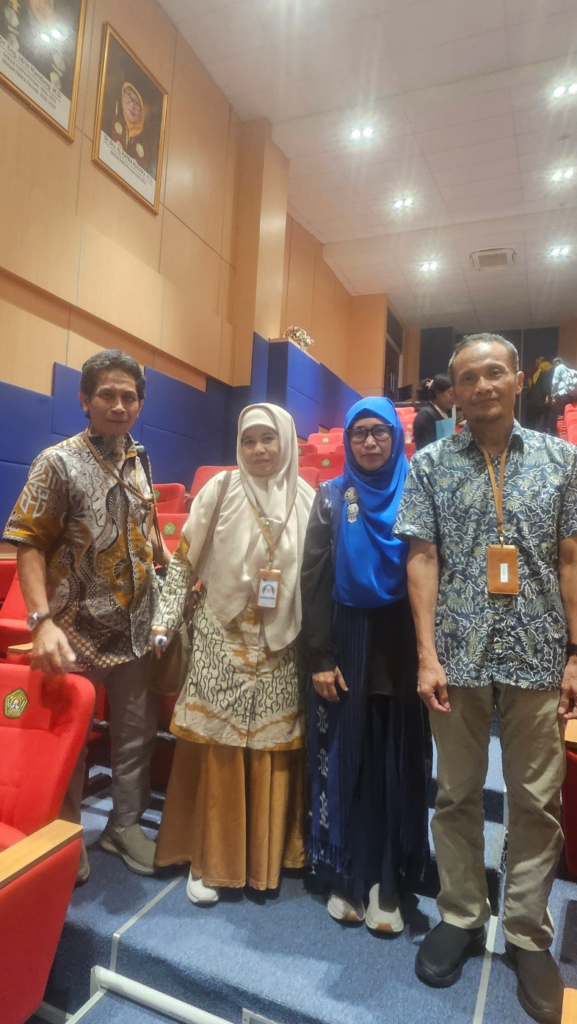
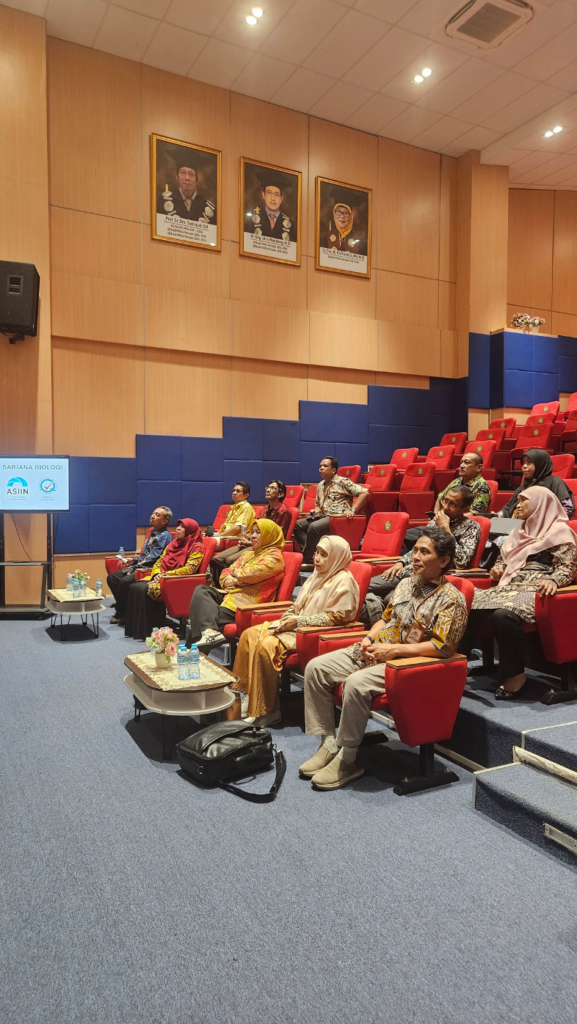
The program was attended by 50 participants, consisting of lecturers and undergraduate students. Their participation reflected a strong interest in postgraduate mathematics education, collaborative research, and the development of academic networks between higher education institutions. Through interactive presentations and discussions, participants received information about the curriculum, research areas, academic supervision, admission pathways, and opportunities for students to participate in research-based learning within the Master’s Program in Mathematics.
A major part of the activity focused on the introduction of the Thematic Research Group. TRG is an academic research platform that brings together lecturers, researchers, and students who share similar research interests. Through this platform, students are encouraged to become actively involved in scientific discussions, research projects, publication activities, seminars, and academic collaboration. The presentation of TRG at Universitas Mulawarman was expected to provide participants with a clearer understanding of how structured research groups can strengthen academic competence, improve research productivity, and create a more supportive environment for innovation.
The activity also opened opportunities for future cooperation between Universitas Hasanuddin and Universitas Mulawarman. Such cooperation may include joint research, guest lectures, academic seminars, student exchanges, collaborative publications, and other programs that support the development of mathematics and its applications. By building stronger institutional relationships, both universities can expand access to knowledge, research resources, academic expertise, and interdisciplinary perspectives relevant to contemporary scientific challenges.
This activity directly supports Sustainable Development Goal 4: Quality Education by promoting inclusive access to high-quality postgraduate education and strengthening research-based learning. It also contributes to Sustainable Development Goal 17: Partnerships for the Goals through the development of inter-university collaboration and academic networks. In addition, the promotion of advanced education is relevant to Sustainable Development Goal 1: No Poverty, because higher education and improved professional competence can increase employment opportunities, research capacity, entrepreneurship, and long-term socioeconomic mobility.
Overall, the promotion of the Master’s Program in Mathematics and the socialization of the Thematic Research Group served not only as an information-sharing activity, but also as a strategic step toward strengthening academic cooperation. The event is expected to encourage Universitas Mulawarman students to pursue graduate studies, participate in research communities, and contribute to the advancement of mathematics for education, science, innovation, and sustainable development in Indonesia.