
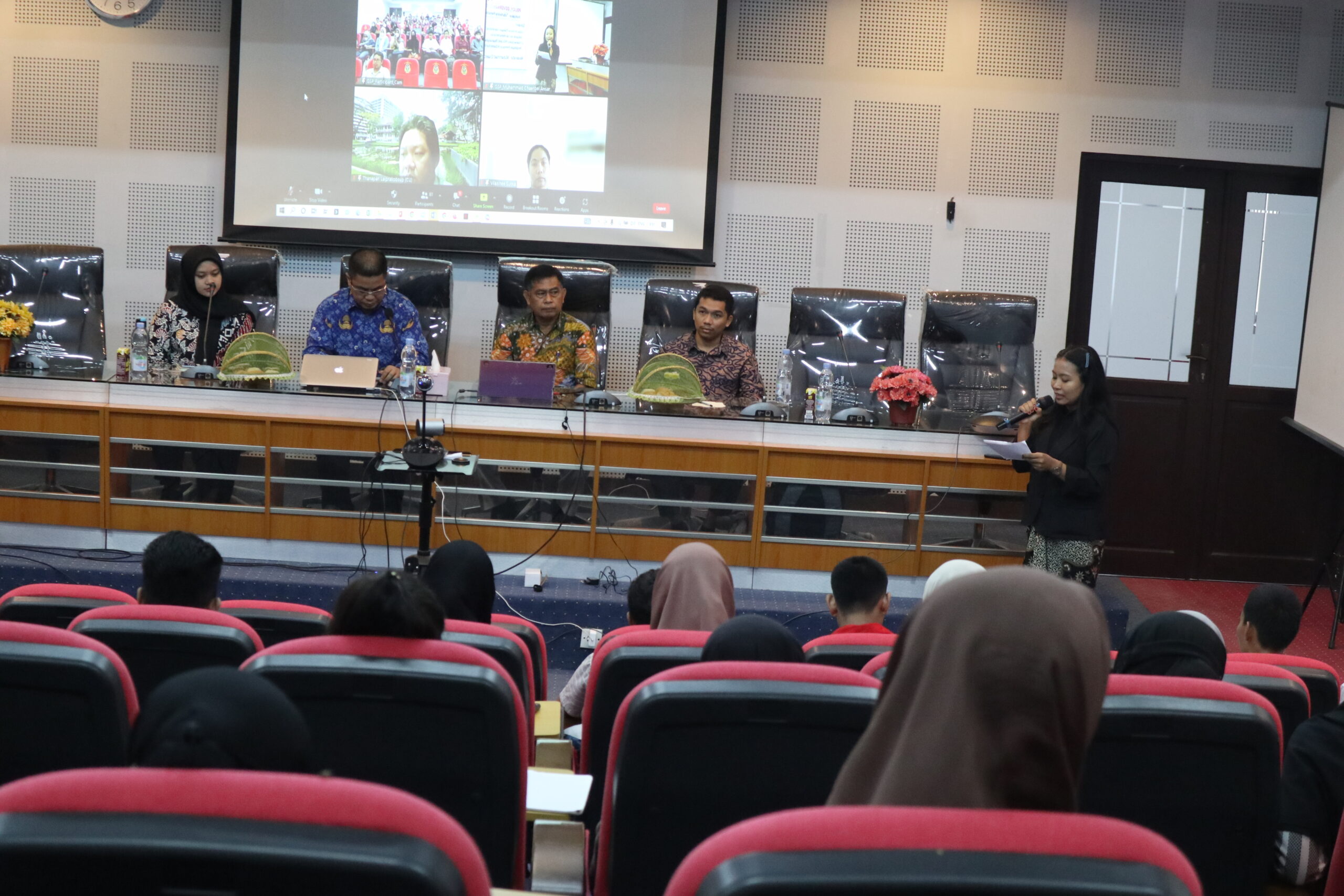

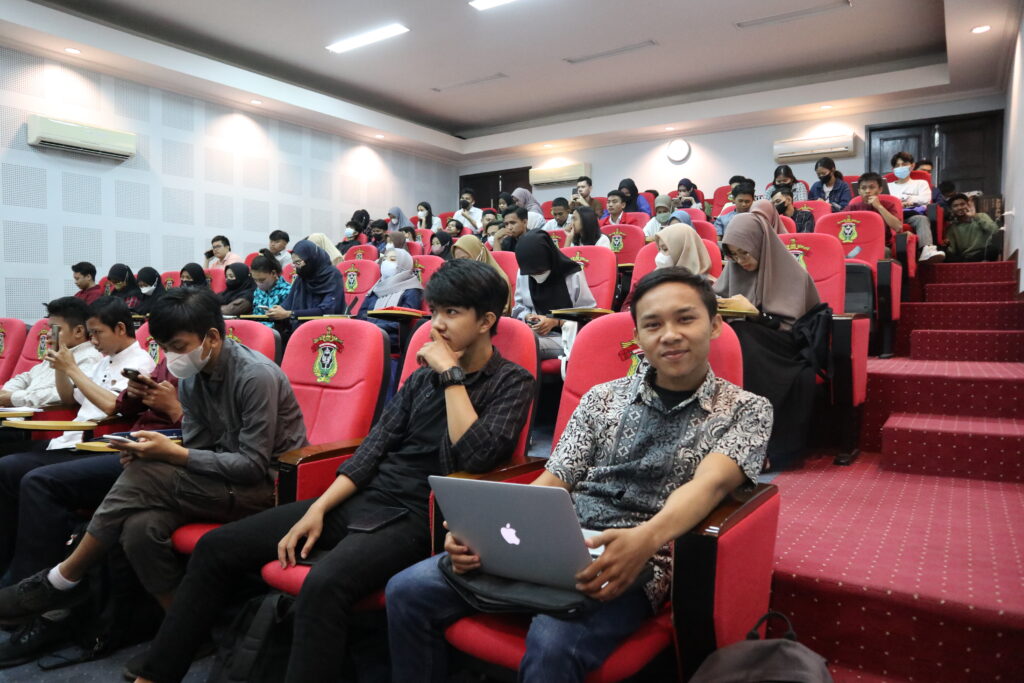
Makassar, South Sulawesi – August 12, 2025, the public lecture titled Learning from Thailand: Public Lecture Explores Agricultural Policy and Governance was successfully held at the Prof. Syukur Abdullah Hall (3rd Floor), Faculty of Social and Political Sciences, Hasanuddin University. The event was organized through a collaboration between the Government Modernization and Social Change (GMSC) Research Group, Laboratorium Local Institution, Governance, and Policy (LIGOP), and the Department of Government Science, Faculty of Social and Political Sciences, Hasanuddin University, and Chulalongkorn University, Thailand. With the participation of 56 participants, the activity became an important academic forum that connected comparative governance studies with agricultural development, policy innovation, and student capacity building in an increasingly interconnected world.
The program began at 09.00–09.30 with participant registration, welcoming attendees who joined both offline and online. This hybrid format reflected the organizers’ commitment to inclusive academic participation and wider access to knowledge. The official opening session was conducted at 09.30–10.00, featuring remarks from the Dean of the Faculty of Social and Political Sciences, Prof. Dr.Phil. Sukri, M.Si, who formally inaugurated the event and emphasized the importance of international cooperation in strengthening governance studies and policy research.
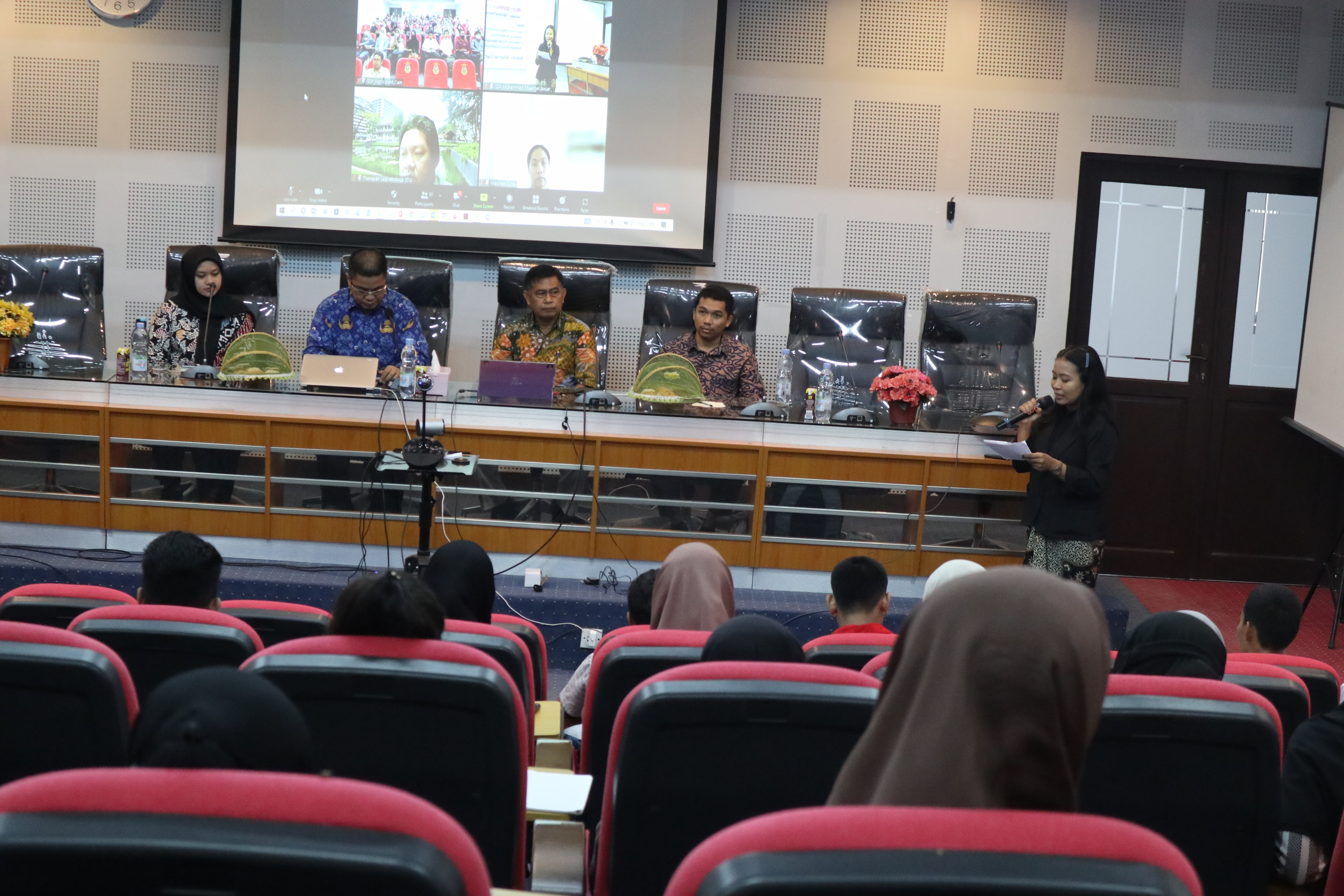
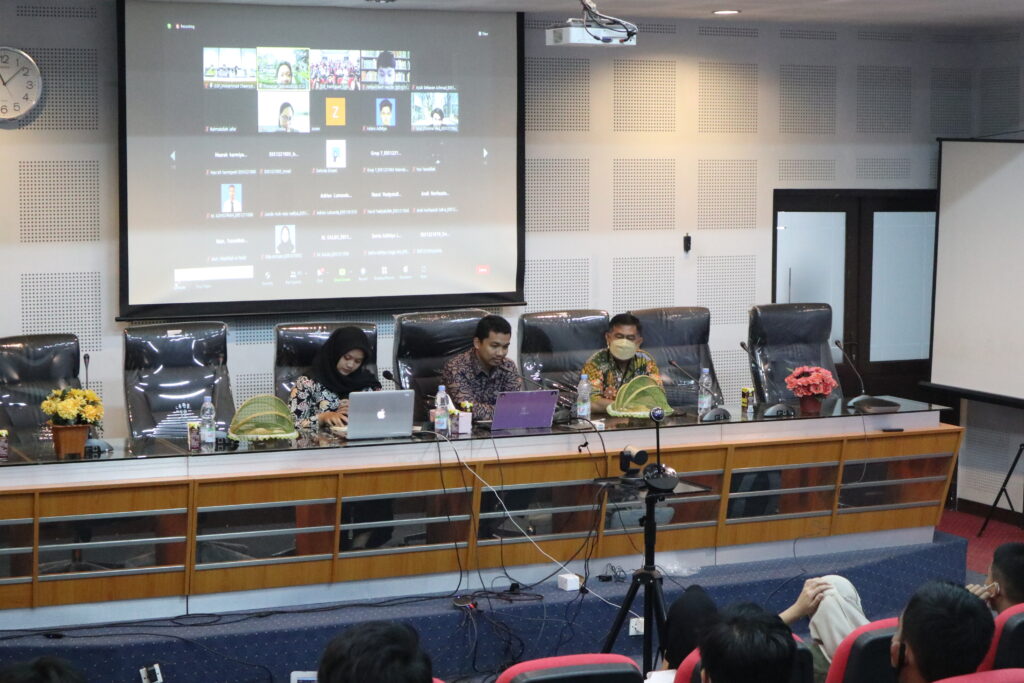
The main session took place at 10.00–12.00, presenting the theme of agricultural policy and governance. The keynote lecture was delivered by Professor Thanapan Laiprakobsup from Chulalongkorn University, one of Thailand’s distinguished scholars in governance and public policy. The discussion was moderated by Muhammad Chaeroel Ansar, S.IP., M.Sc, who facilitated a productive exchange between the speaker and participants. The session was further enriched by student respondents, Zan Azisah Asmal and Rasnidar, who delivered thoughtful responses and reflections on the relevance of Thailand’s agricultural governance experience to Indonesia’s contemporary policy context. Through comparative analysis, the lecture explored Thailand’s agricultural governance model, institutional arrangements, policy continuity, and the relationship between government intervention and farmer welfare.
Participants learned that agriculture is not merely an economic sector, but also a strategic governance issue closely linked to food security, rural livelihoods, and sustainable development. Effective agricultural governance requires clear regulations, transparent institutions, responsive public services, and active collaboration between government agencies, academic institutions, local communities, and private stakeholders. By examining Thailand’s experience, participants gained valuable insights into how policy consistency, farmer empowerment, market access, and institutional coordination can support long-term rural transformation.
The activity also aimed to strengthen the intellectual development of students by encouraging critical thinking, comparative analysis, and evidence-based discussion. Participants were invited to reflect on how international experiences can be adapted to Indonesia’s national and local contexts, particularly in the areas of agricultural extension services, cooperative development, commodity diversification, and rural innovation.
This public lecture strongly contributes to SDG 4: Quality Education by expanding access to relevant academic knowledge, strengthening analytical skills, and fostering a culture of lifelong learning among students and scholars. The event also supports SDG 17: Partnerships for the Goals, as it demonstrated the value of cooperation between universities, research groups, and international academic institutions. In addition, the discussion was closely related to SDG 1: No Poverty, recognizing that effective agricultural governance can improve rural incomes, increase productivity, and reduce economic vulnerability among farming communities.
The closing session was held at 12.00–12.30, led by Prof. Dr. Nurlinah, M.Si, Chair of the GMSC Research Group. She expressed appreciation to the speaker, participants, and organizing committee, while reaffirming the importance of sustained academic collaboration in addressing governance challenges.
The successful implementation of this lecture reaffirmed Hasanuddin University’s commitment to advancing globally informed scholarship and policy relevance. By learning from Thailand’s experience, participants were encouraged to think critically, act collaboratively, and contribute meaningfully to the future of agricultural governance in Indonesia and beyond.


