
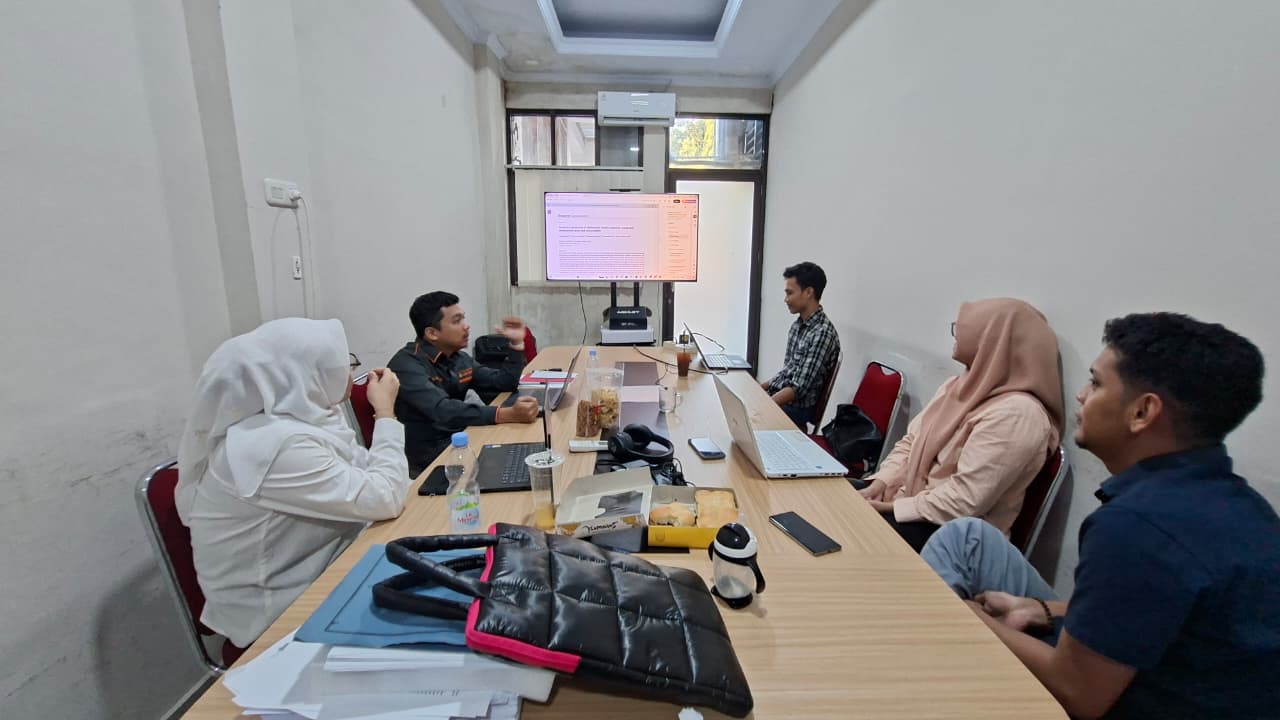

Makassar, South Sulawesi – July 12–13, 2025, the GMSC Team successfully organized a workshop titled Using R, Researchers Uncover New Evidence on Government Transformation. The Laboratory Room of Local Institution, Governance, and Policy (LIGOP), Department of Government Science, Faculty of Social and Political Sciences, Hasanuddin University, became a dynamic space for learning, collaboration, and evidence-based inquiry. With the 5 participants, the program brought together researchers and student contributors who shared a common interest in understanding how governments are adapting to contemporary social, economic, and environmental challenges through data-driven approaches.
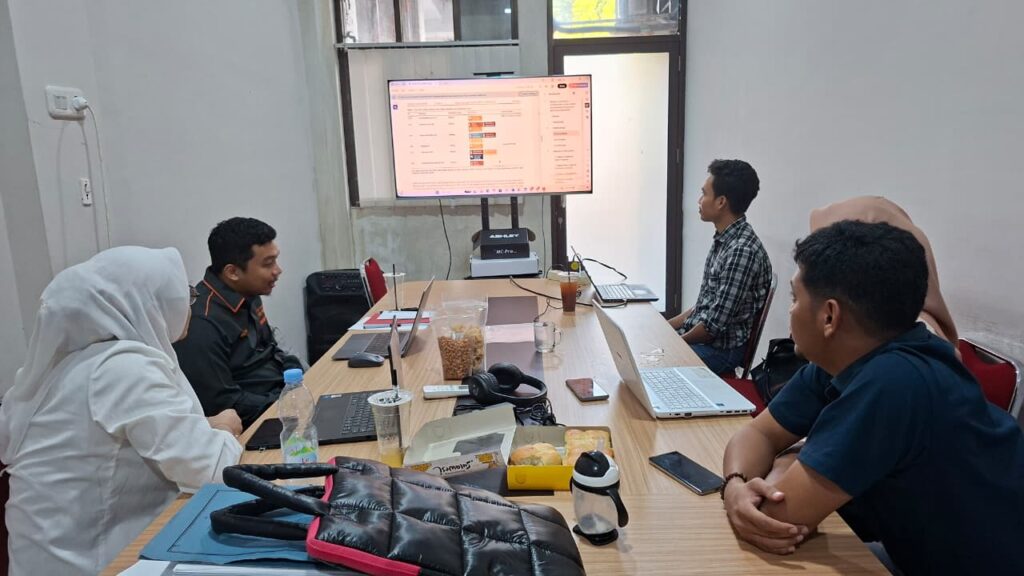
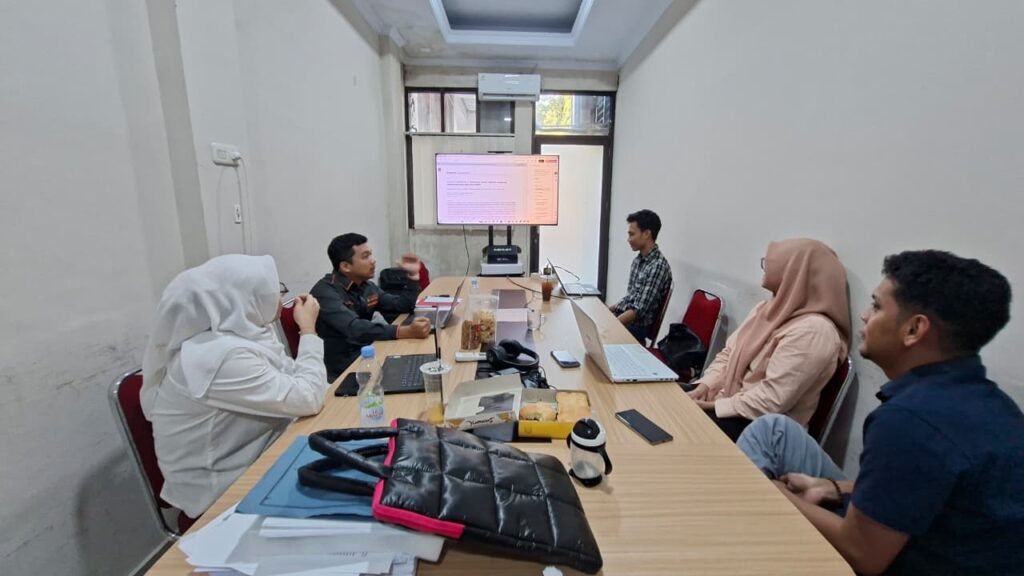
The activity was designed to demonstrate how the R programming language can transform raw data into meaningful insights. As one of the most widely used tools in modern statistical computing and data science, R offers powerful capabilities for data cleaning, visualization, modeling, and interpretation. During the sessions, participants explored public sector datasets, examined governance indicators, and practiced analytical methods that help reveal trends in institutional performance, public service delivery, policy implementation, and citizen engagement.
Through guided workshops and collaborative discussions, participants learned that government transformation is no longer measured only by regulations or administrative reforms. It is increasingly reflected in data patterns that show changes in transparency, digital governance, responsiveness, efficiency, and inclusion. By using R, participants were able to identify relationships between policies and outcomes, compare governance performance across contexts, and communicate findings through clear visualizations that can support better decision-making.
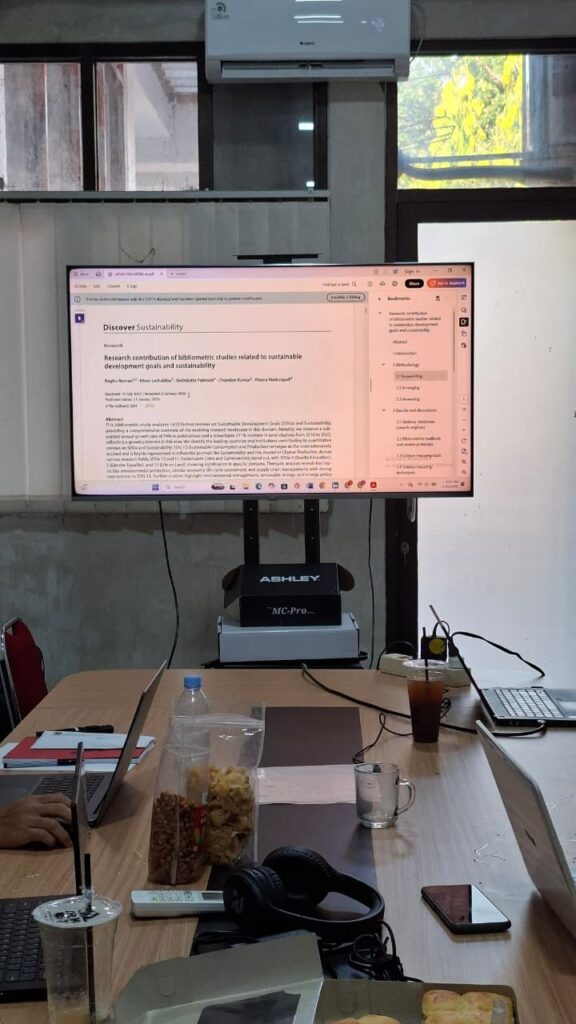
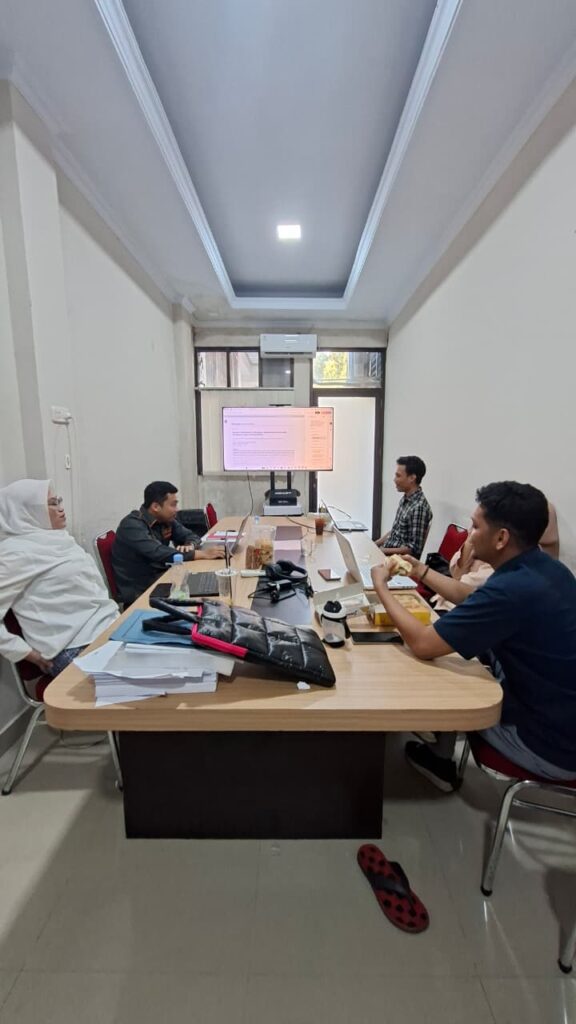
This activity strongly contributes to SDG 4: Quality Education by promoting practical digital literacy, research skills, and lifelong learning in higher education. Participants gained hands-on experience in computational methods that are increasingly essential for modern academic research and public sector innovation. The program also supports SDG 17: Partnerships for the Goals, as it encouraged interdisciplinary cooperation among researchers, students, and institutional stakeholders. Meaningful government reform often requires collaboration across sectors, and this event highlighted the value of shared knowledge and collective problem-solving.
In addition, the discussion connected analytical research with SDG 1: No Poverty. Effective governance plays a central role in reducing poverty through fair policies, targeted social assistance, accessible public services, and efficient resource allocation. By uncovering evidence on what works and what needs improvement, data analysis can help governments design stronger interventions that directly benefit vulnerable communities.
Participants also reflected on how evidence-based governance can influence broader goals such as public health, environmental sustainability, and social trust. Better data systems can improve health planning, strengthen coastal and land governance, and ensure that development programs are more responsive to real needs. These insights show that research methods are not separate from society—they are tools for solving real-world problems.
The successful implementation of this activity reaffirmed Hasanuddin University’s commitment to advancing research excellence and policy relevance. By combining technological skills with governance studies, the program demonstrated that innovation in public administration begins with the ability to understand data critically and communicate findings responsibly. As governments continue to evolve, initiatives like this will remain essential in preparing future scholars and practitioners to build smarter, fairer, and more inclusive institutions.


