


Gowa, South Sulawesi – June 15, 2025 — The Government Modernization and Social Change (GMSC) Research Group from Hasanuddin University has undertaken a significant field research initiative titled “GMSC Team Conducts Field Research in Rural, Peri-Urban, and Urban Areas” in Gowa Regency, South Sulawesi. Conducted on June 15, 2025, this activity brought together 12 participants, consisting of researchers and trained enumerators to explore the complex relationship between governance practices, social transformation, and spatial diversity in Indonesia’s decentralized context.
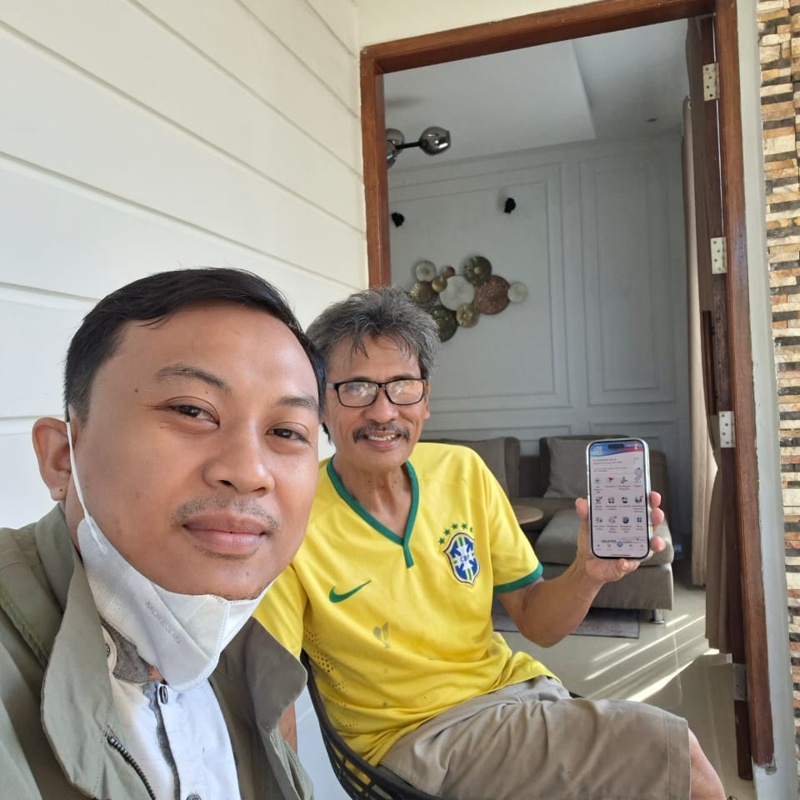
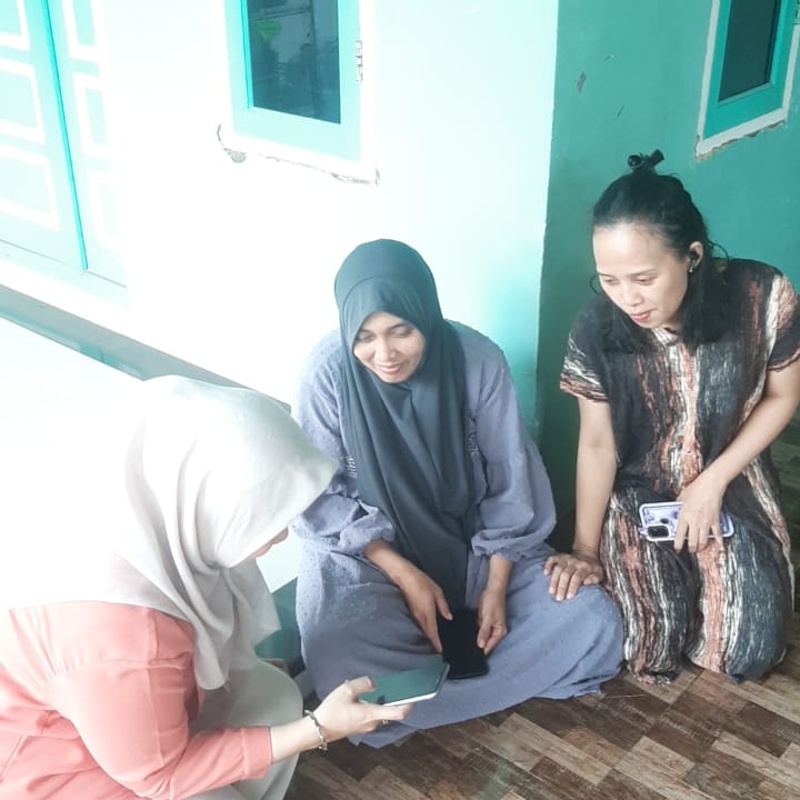
This field research aims to generate a comprehensive understanding of how governance systems operate across different spatial typologies—rural, peri-urban, and urban areas—while examining their implications for social equity and public service delivery. Gowa Regency provides a strategic setting due to its heterogeneous landscape, where modern urban centers coexist with transitional peri-urban zones and relatively remote rural communities. Such diversity allows the research team to capture variations in citizen experiences, particularly in accessing public services, adapting to digital governance, and navigating socio-economic changes.
The methodology employed in this activity combines quantitative and qualitative approaches. The research team conducted door-to-door household surveys to collect structured data on socio-economic conditions, access to health and education services, and perceptions of governance effectiveness. Complementing this, in-depth interviews were carried out with community leaders, local government officials, and marginalized groups to uncover contextual insights that cannot be captured through surveys alone. This mixed-method approach ensures a more holistic and evidence-based analysis of governance and social change dynamics.
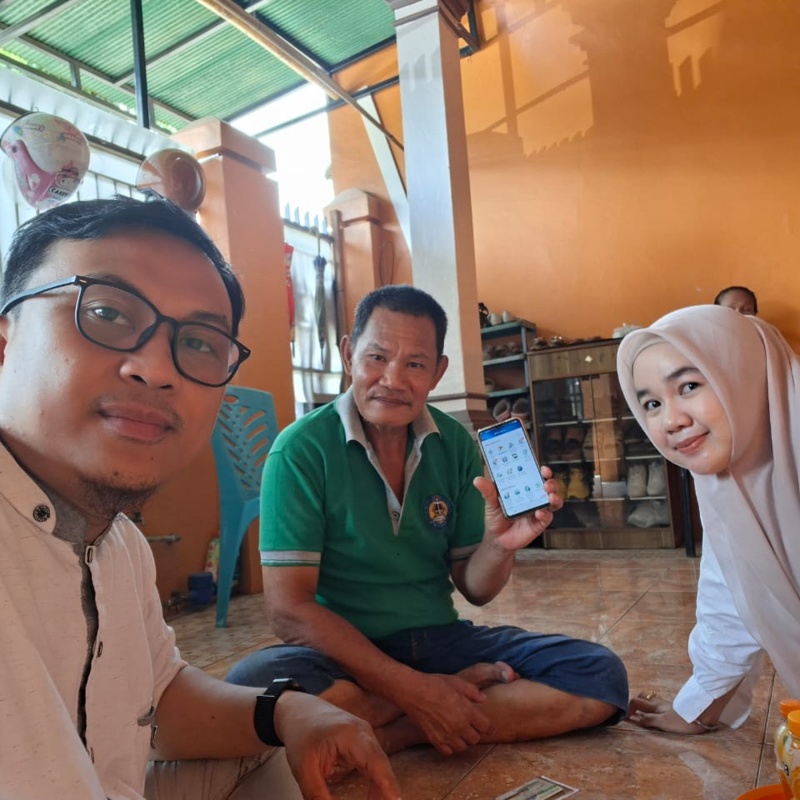
An important aspect of the activity is the involvement of young researchers as enumerators, who were previously trained in research ethics, respondent engagement, and data quality assurance. Their participation not only strengthens the data collection process but also contributes to capacity building in applied research. This aligns directly with Sustainable Development Goals (SDGs) 4: Quality Education, as it promotes experiential learning and skill development among students and early-career researchers.
Furthermore, the research addresses SDGs 1: No Poverty by examining how disparities in governance and service access influence socio-economic inequalities across spatial contexts. By identifying structural barriers faced by vulnerable populations, the study aims to provide policy-relevant recommendations that support inclusive development and poverty reduction strategies. The findings are expected to inform more equitable public policies that respond to the needs of diverse communities.
Equally important, this initiative reflects SDGs 17: Partnerships for the Goals, as it fosters collaboration between academic institutions, local communities, and government actors. The engagement of local enumerators and stakeholders highlights the importance of multi-actor partnerships in producing knowledge that is both context-sensitive and actionable. Such collaboration enhances the legitimacy and impact of the research outcomes.
This field research represents a strategic effort to bridge academic inquiry with real-world policy challenges. By integrating spatial analysis with governance studies, the GMSC Research Group aims to contribute to the advancement of inclusive governance, social justice, and sustainable development in Indonesia. The results of this study will be disseminated through academic publications, policy briefs, and public seminars, ensuring that the knowledge generated reaches a broader audience and supports evidence-based decision-making.


