
From 26 January 2026 to 27 August 2026, a research activity was conducted at the Bioscience and Plant Reproductive Biotechnology Laboratory (BBRT) and BBRT Greenhouse, Faculty of Agriculture, Universitas Hasanuddin. The activity focused on “Induction of Polyploidization in Purple Passion Fruit (Passiflora edulis f. edulis Sims) Using Colchicine and Analysis of Its Resistance to Root-Knot Nematodes (Meloidogyne sp.).” The research addresses an important agricultural challenge while exploring opportunities to improve the biological characteristics and resilience of purple passion fruit.
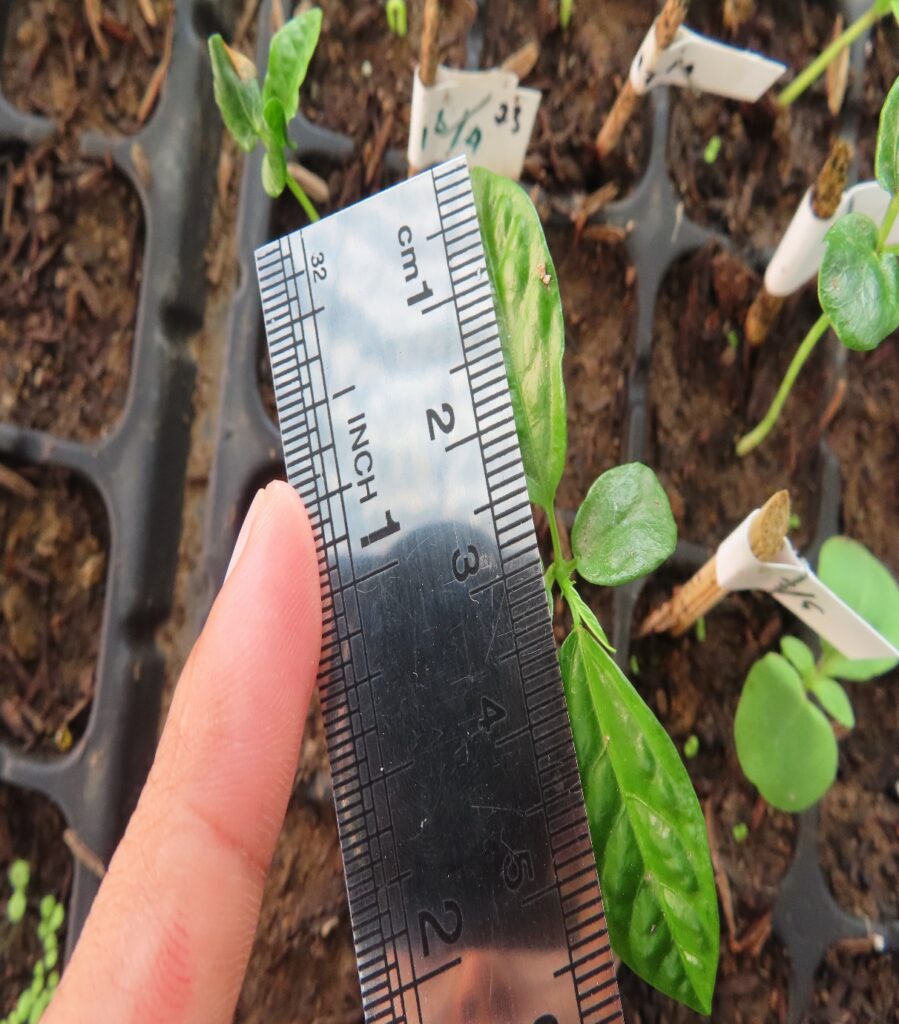
The main objective of the research was to induce polyploidization in purple passion fruit using colchicine and subsequently evaluate the response of the resulting plants to root-knot nematodes. Polyploidization is a plant improvement approach that can generate plants with altered genetic and morphological characteristics. Through controlled induction and subsequent evaluation, the research seeks to identify promising plant materials that may demonstrate improved characteristics and potentially greater tolerance or resistance to nematode pressure.
The activity involved 3 participants, consisting of 2 academic supervisors, Prof. Ir. Rinaldi Sjahril, M.Agr., Ph.D. and Prof. Dr. Ir. Ade Rosmana, M.Sc., and 1 postgraduate student, Hikmaya, S.P., from the Master’s Program in Agrotechnology, Faculty of Agriculture, Universitas Hasanuddin. The participation of experienced researchers and a graduate student reflects the important role of academic mentoring in conducting experimental plant biotechnology research.
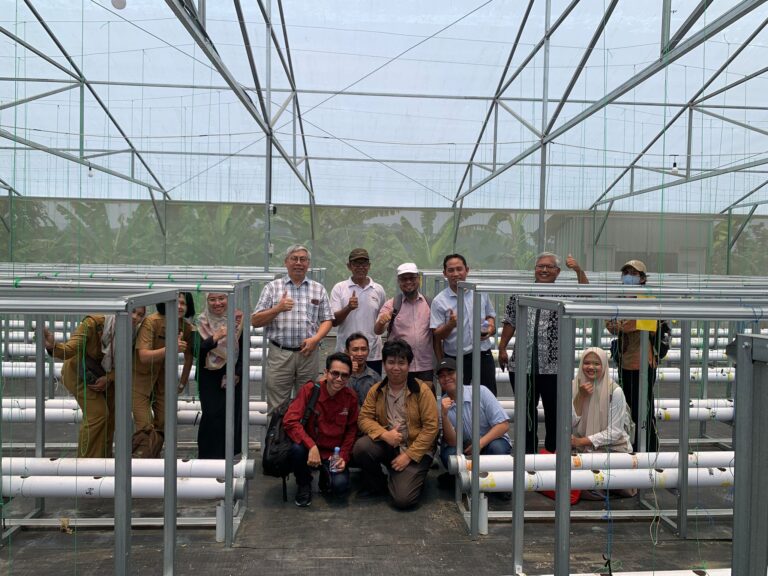
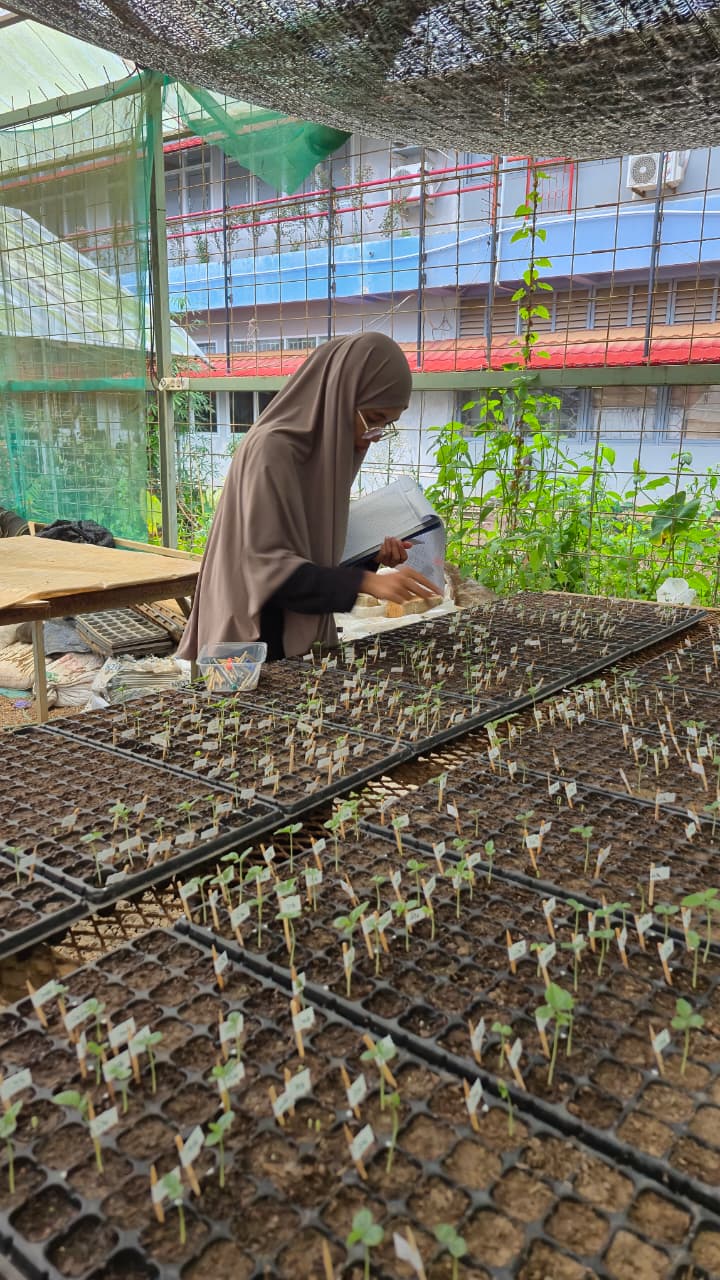
The research activities were conducted in both laboratory and greenhouse environments. The BBRT laboratory provides an environment for carrying out controlled research procedures related to plant biotechnology, while the greenhouse enables plant materials to be maintained and evaluated under managed growing conditions. The combination of these facilities allows the research team to move systematically from polyploidy induction toward plant growth evaluation and assessment of responses to root-knot nematodes.
Root-knot nematodes of the genus Meloidogyne are important plant-parasitic organisms that can interfere with root development and reduce plant performance. Understanding how induced polyploid plants respond to nematode infestation may provide valuable information for future passion fruit improvement programs. The findings could contribute to the development of healthier and more resilient planting materials while expanding scientific knowledge of plant responses to biological stress.
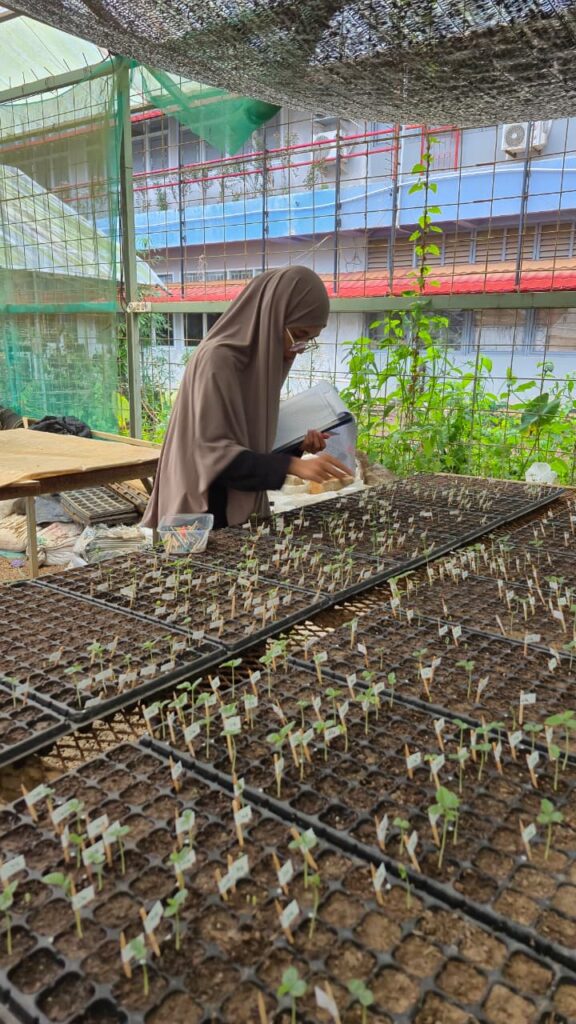
The activity contributes to Sustainable Development Goal (SDG) 1: No Poverty by supporting agricultural research aimed at improving crop resilience and productivity, which may contribute to more sustainable livelihoods for farming communities. It also supports SDG 4: Quality Education by providing a graduate student with direct experience in experimental research, plant biotechnology, laboratory procedures, greenhouse management, and scientific evaluation.
Furthermore, the research contributes to SDG 15: Life on Land by promoting scientific approaches to sustainable crop improvement and reducing potential dependence on intensive pest management through the exploration of plant-based resistance. The activity also reflects SDG 17: Partnerships for the Goals through collaboration between academic supervisors and postgraduate researchers in developing knowledge and innovation for agricultural challenges.
Ultimately, this research represents an important effort to connect plant biotechnology with practical agricultural needs. By exploring polyploidization and nematode resistance in purple passion fruit, the activity seeks to generate scientific evidence that can support future crop improvement, strengthen research-based education, and contribute to more resilient and sustainable agricultural production.