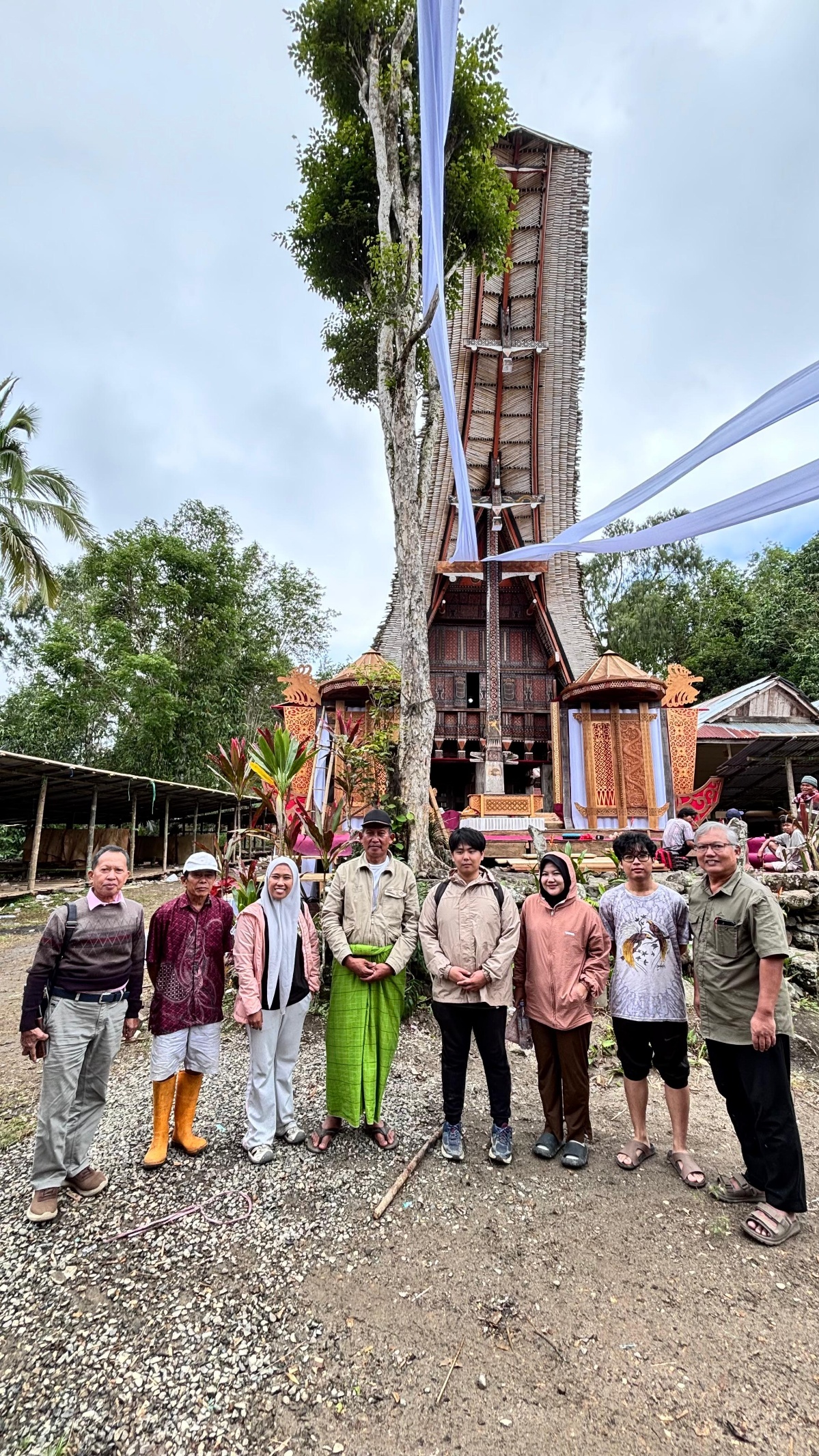

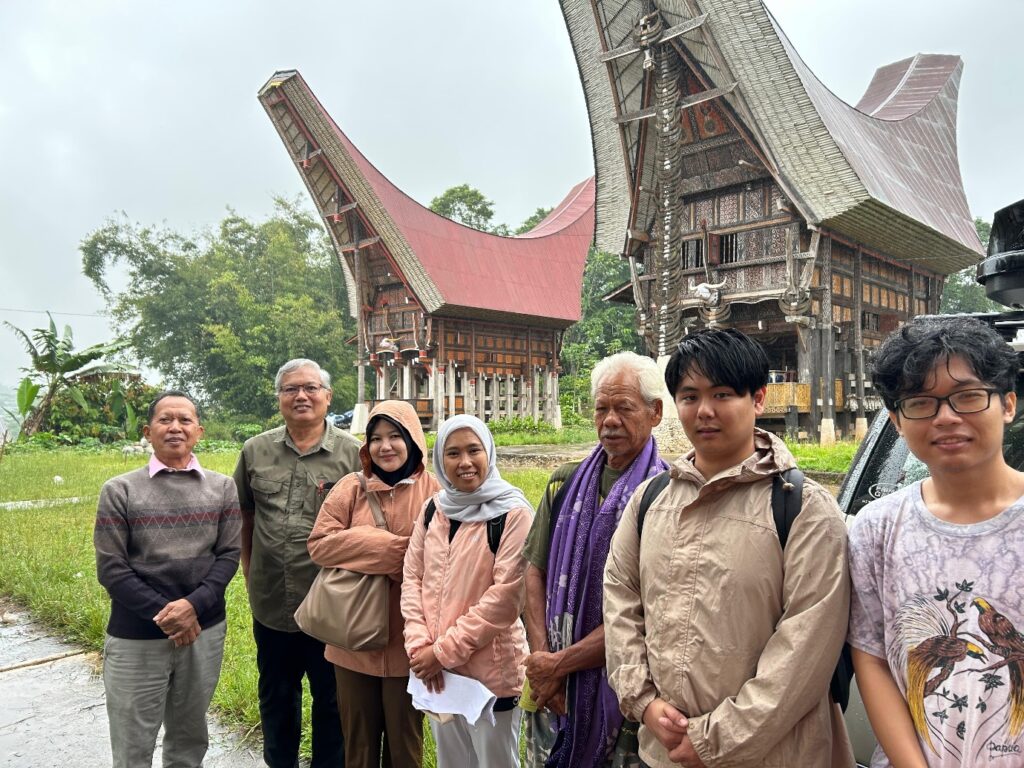
From 16 June 2026 to 25 July 2026, a field survey was conducted among farmers and local communities in Tana Toraja and North Toraja Regencies, South Sulawesi, as part of the TRG 2026 research project entitled “Quantitative Ethnobotany and Biocultural Conservation of Local Rice (Oryza sativa L.) in the Pare Aluk Todolo Ritual of the Toraja Community: Ethnotaxonomy, Cultural Index, Traditional Seed Systems, and Extinction Risk Assessment.” The activity focused on gathering information directly from communities who maintain traditional knowledge and practices associated with local rice.
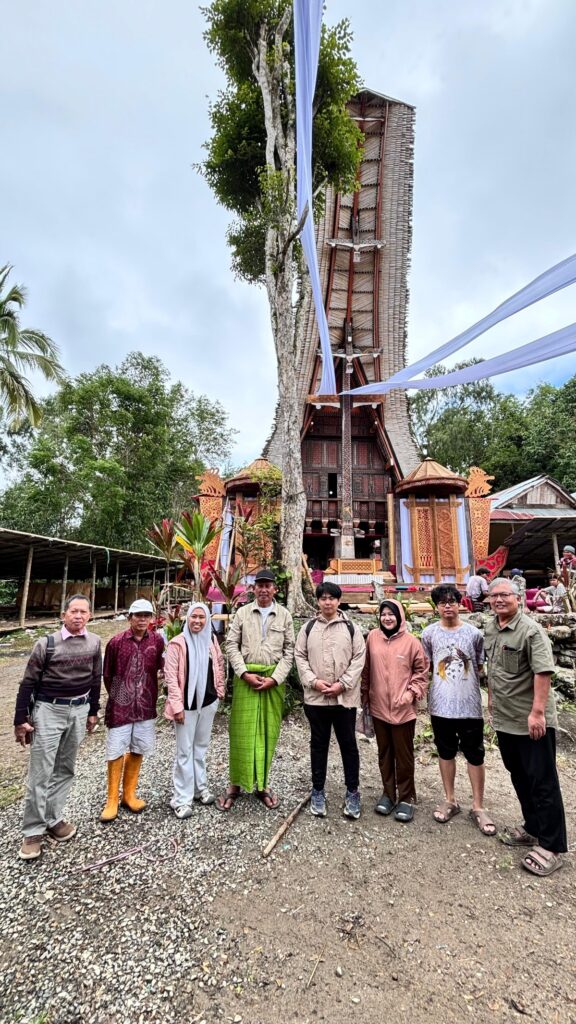
The main objective of the survey was to document and understand the relationship between local rice varieties and the cultural practices of the Toraja community, particularly their role in the Pare Aluk Todolo ritual. The research seeks to explore how local rice is named, recognized, selected, maintained, exchanged, and used within the community. By recording these practices systematically, the study aims to provide a clearer picture of the cultural importance and conservation status of local rice varieties.
The field survey required 60 respondents and was accompanied by 2 lecturers from Universitas Hasanuddin (UNHAS). Respondents were drawn from farmers and members of local communities who possess knowledge and experience related to traditional rice cultivation and cultural practices. Through direct conversations and field-based observations, the research team sought to capture community perspectives that may not be available through written records or conventional agricultural databases.
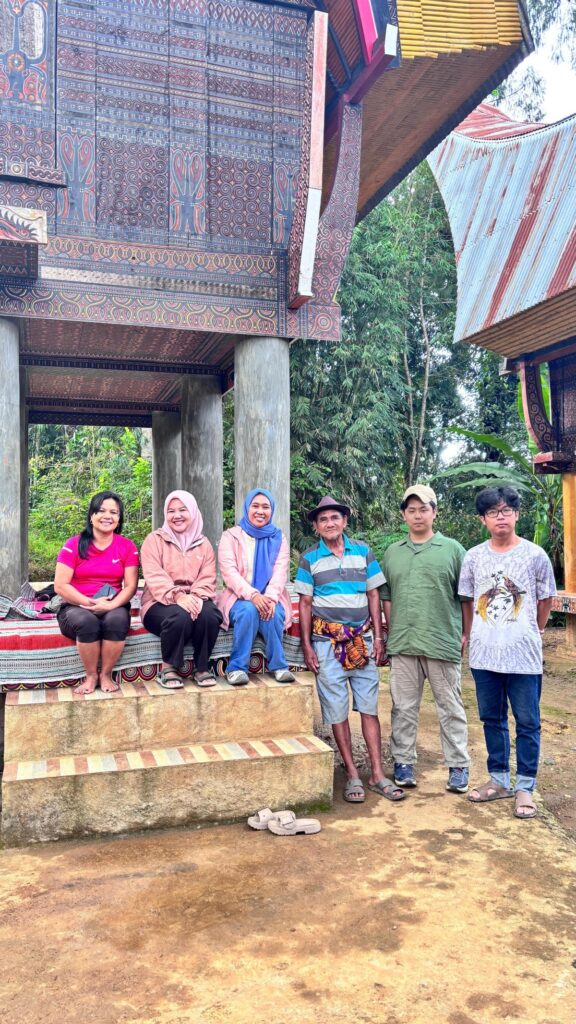
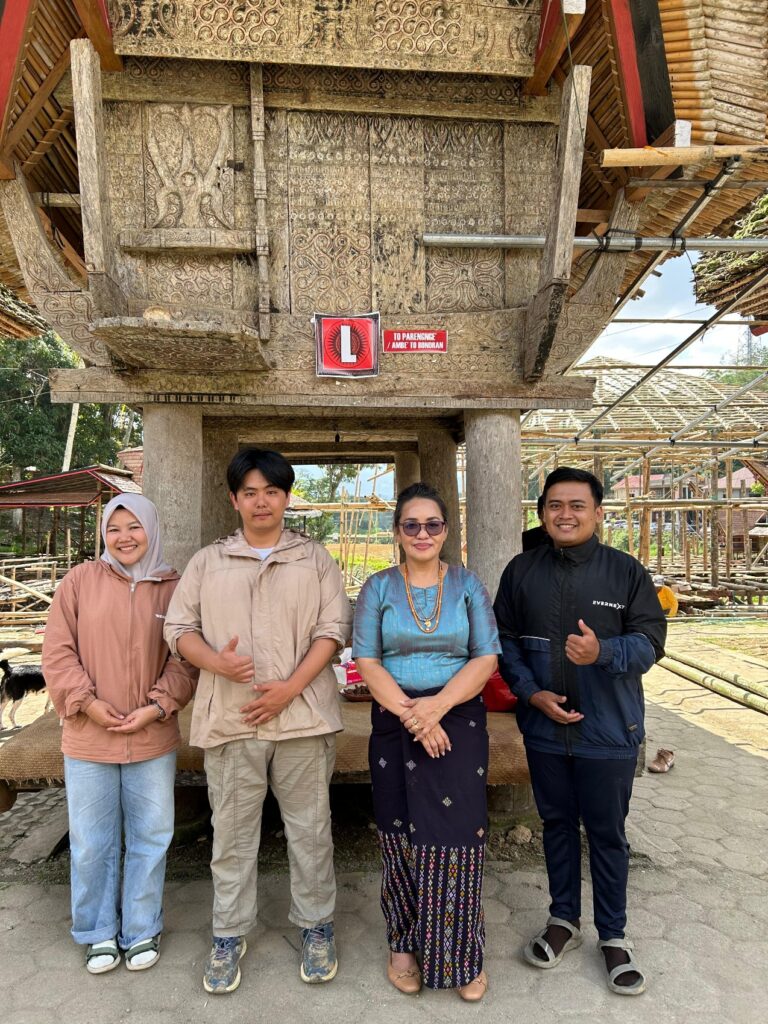
The information collected through the survey is expected to contribute to several important components of the research. Ethnotaxonomic information can reveal how communities classify and identify local rice varieties, while cultural indices can help illustrate the significance of rice within Toraja traditions. Information regarding traditional seed systems can also provide insights into how local genetic resources are maintained and transmitted between generations. Furthermore, assessing potential extinction risks can help identify local rice varieties and associated knowledge that may require greater attention for conservation.
The activity contributes to Sustainable Development Goal (SDG) 1: No Poverty by supporting the recognition of local agricultural resources and traditional farming knowledge that may contribute to sustainable rural livelihoods. It also supports SDG 4: Quality Education by creating opportunities for researchers and communities to exchange knowledge and strengthen understanding of traditional agricultural systems through field-based research.
The survey further contributes to SDG 15: Life on Land by supporting the documentation and conservation of agricultural biodiversity. Local rice varieties represent valuable genetic resources that may possess characteristics important for future food systems. Equally significant, the activity directly reflects SDG 17: Partnerships for the Goals through collaboration between university researchers, farmers, and local communities. Such partnerships are essential for ensuring that conservation efforts are grounded in local knowledge and community participation.
Ultimately, this field survey is more than a process of collecting research data. It is an effort to listen to communities, document knowledge, and recognize the cultural value of local rice. By connecting scientific research with traditional knowledge, the study seeks to strengthen biocultural conservation and contribute to the continued appreciation and preservation of Toraja’s local rice heritage for future generations.