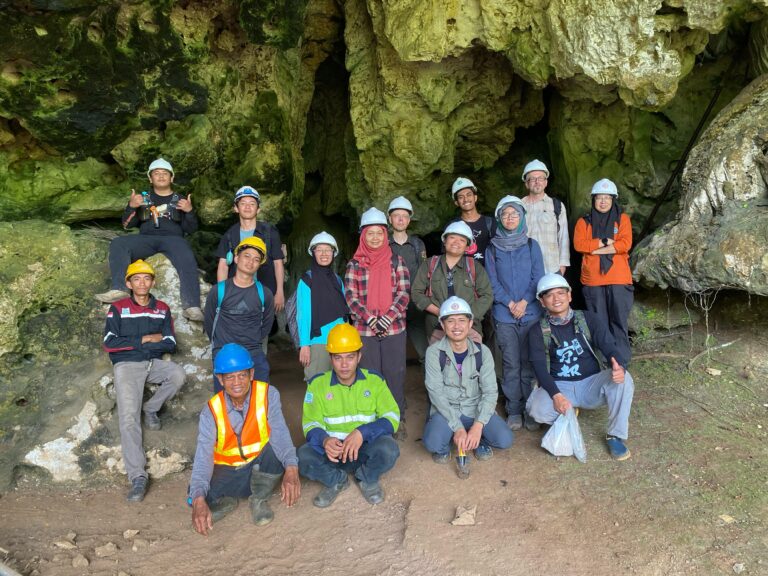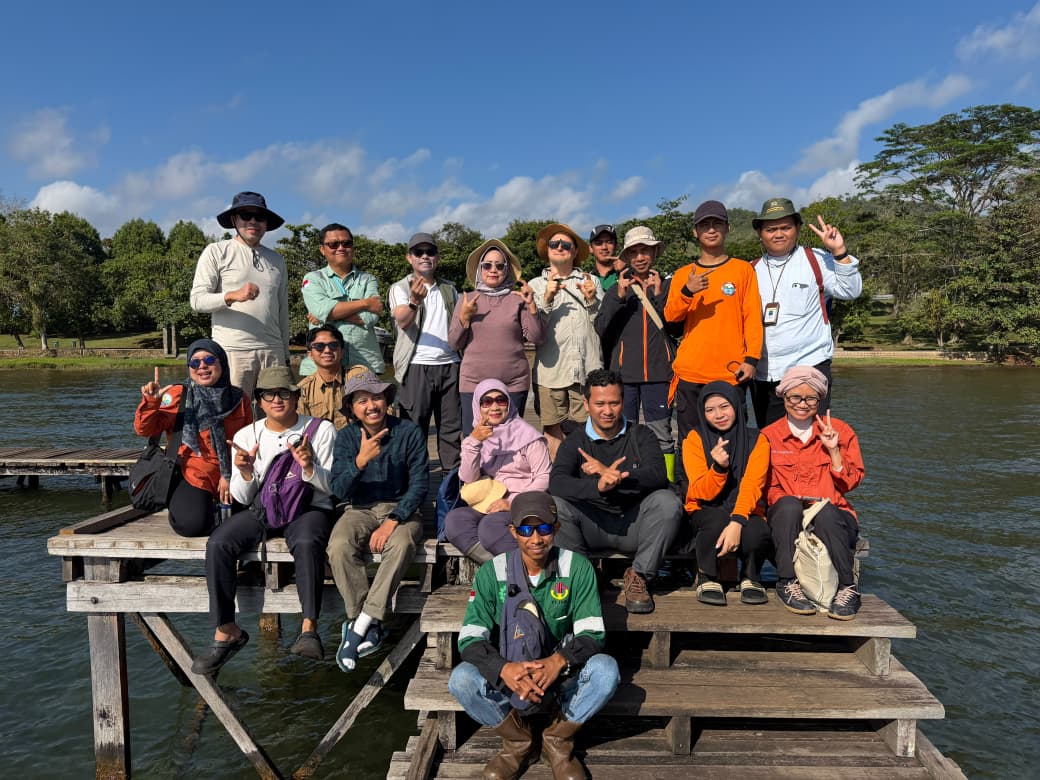

Lake Matano, East Luwu Regency, South Sulawesi, Indonesia (4/8/2026). A group of researchers from Indonesia and international institutions gathered at Lake Matano, South Sulawesi, to explore one of Indonesia’s most valuable freshwater ecosystems. This activity was part of the Riset Kolaborasi Indonesia (RKI) Skema C 2026, entitled “Linking Biodiversity, Biogeochemistry, and Limnology to Assess Ecosystem Resilience in Lake Matano.” The research brings together expertise from Universitas Diponegoro (UNDIP), Universitas Hasanuddin (UNHAS), the National Research and Innovation Agency (BRIN), and the Institute of Geological Sciences, Polish Academy of Sciences (IGS-PAS). The participant in there which Mrs. Yuni, Ms. Arida, Mr. Iswanto, Mr. Wahyu, Mr. Dedi, Mrs. Yuli, Mr. Andri, Mr. Iwan, Mr. Lukaz, and another lecture and reseacher, also Delvin and Syaiful as a student join this activity.
The research activity focuses on understanding how Lake Matano maintains its ecological resilience. Scientists combine three major approaches: biodiversity assessment, biogeochemical analysis, and limnological studies. Through this integrated method, researchers collect information about water quality, aquatic organisms, vegetation, and sediment conditions to build a comprehensive understanding of the lake ecosystem.
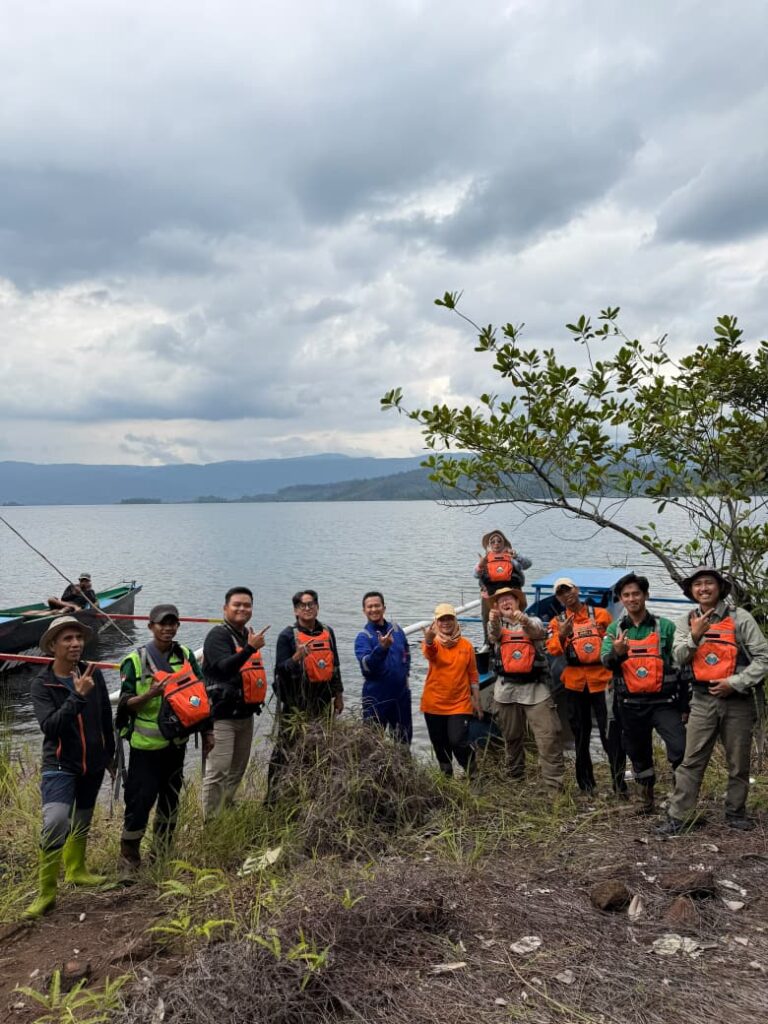
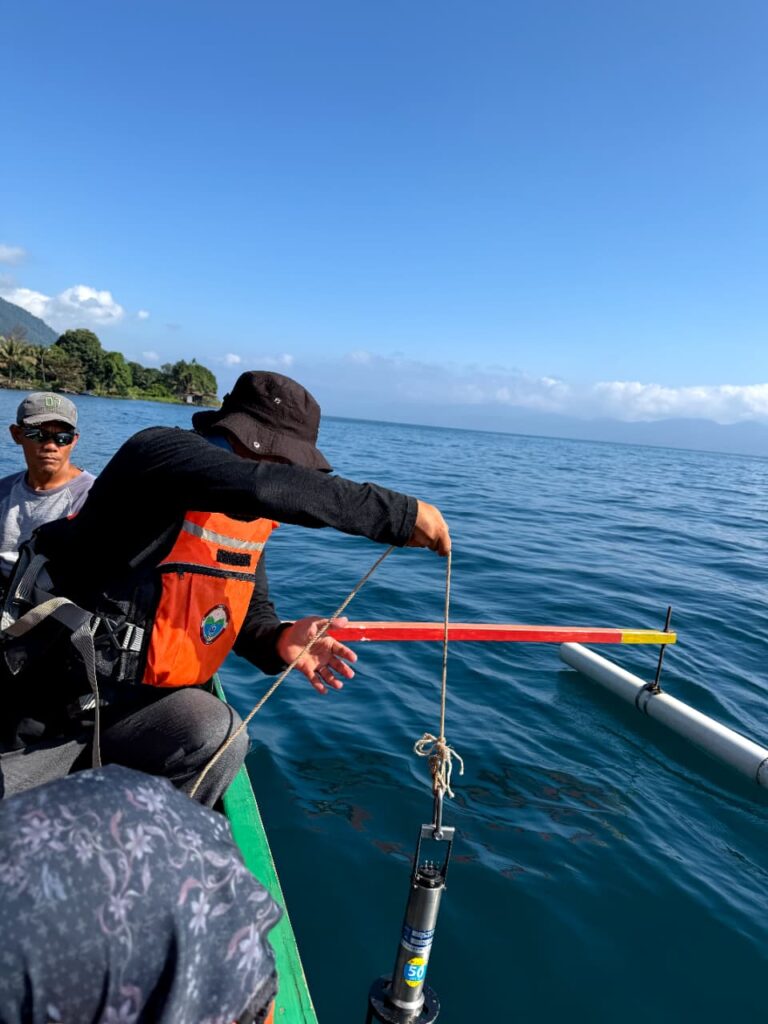
During the field activities, researchers conducted environmental observations and collected samples from different locations around Lake Matano. The sampling areas represent various environmental conditions, including agricultural areas, settlements, fisheries, and relatively natural parts of the lake. Water quality measurements, sediment sampling, biological observations, and laboratory analyses are important steps in understanding ecosystem changes.
This collaborative research strongly supports SDG 15: Life on Land, as protecting freshwater ecosystems is an essential part of conserving biodiversity and maintaining ecological balance. Healthy lake ecosystems also contribute to SDG 1: No Poverty by supporting sustainable livelihoods of local communities that depend on natural resources. Furthermore, this activity supports SDG 4: Quality Education through scientific learning, research development, and knowledge sharing among students, researchers, and communities. The international collaboration between institutions also reflects SDG 17: Partnerships for the Goals, strengthening cooperation to solve environmental challenges together.
In addition, the conservation of Lake Matano contributes to SDG 3: Good Health and Well-being by supporting a healthy environment and sustainable natural resources. It is also connected with SDG 14: Life Below Water, as protecting aquatic biodiversity and freshwater ecosystems aligns with global efforts to conserve water-based life.
With collaboration across disciplines and countries, this research activity demonstrates that protecting nature requires collective action. The knowledge generated from Lake Matano will support sustainable management strategies and help ensure that this unique ecosystem remains valuable for future generations.