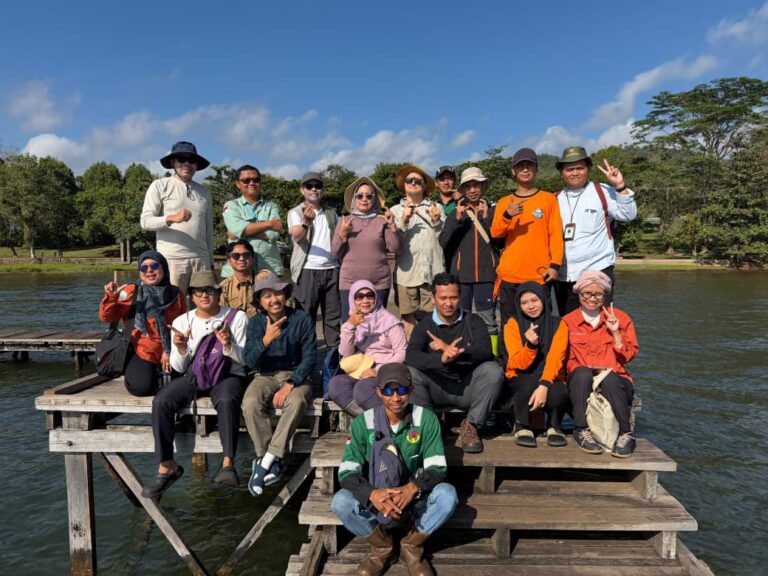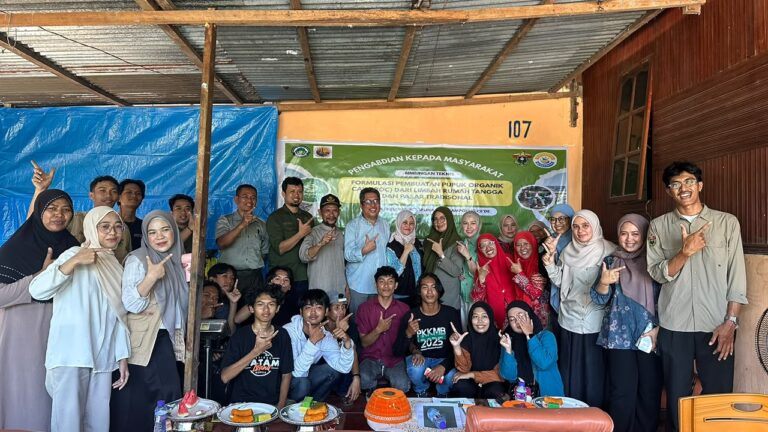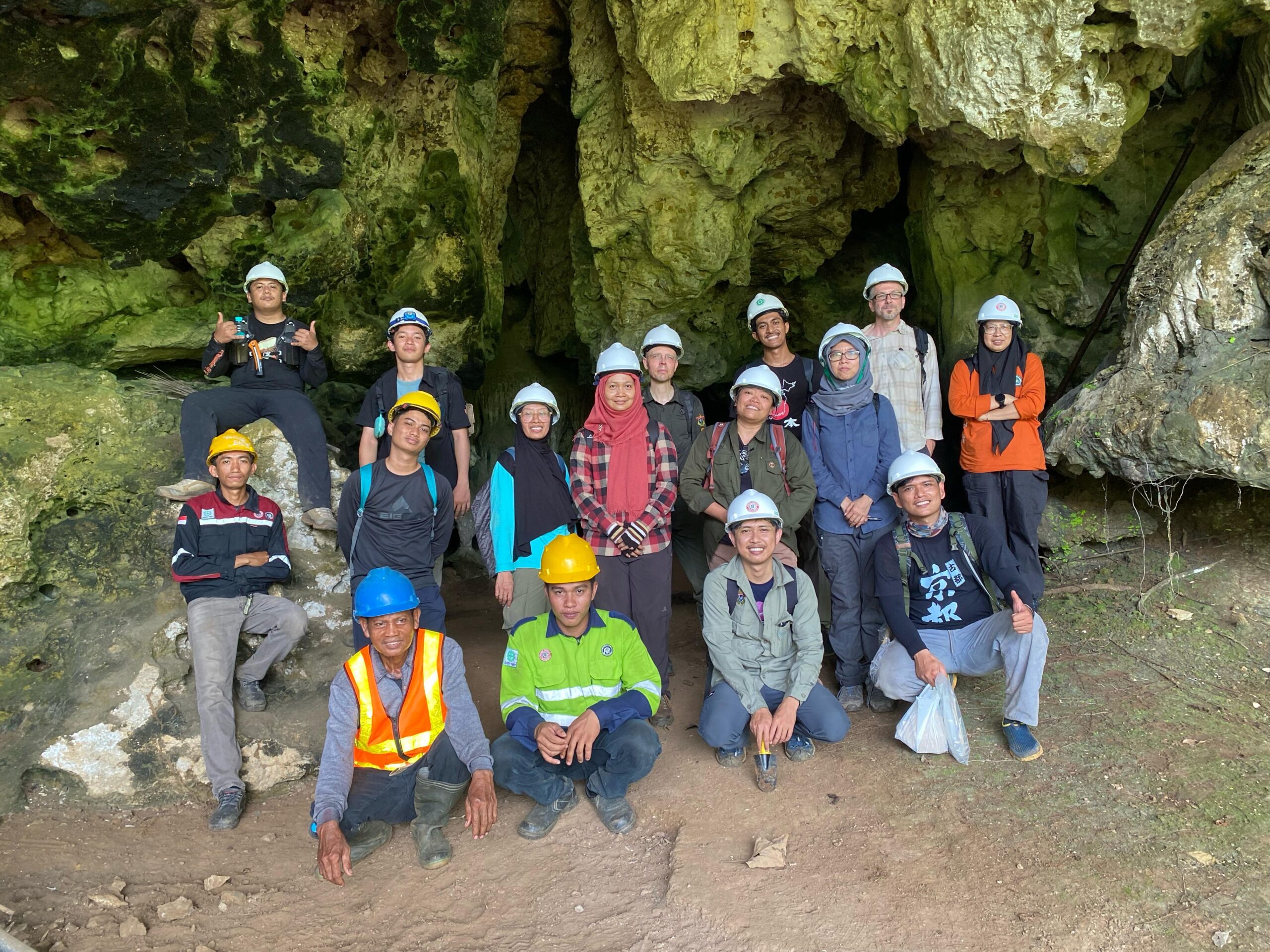

Maros-Pangkep (10-15/4/2025). The objective of this exploration activity was to identify, document, and study the diversity of macrofungi within the unique karst ecosystem of Maros-Pangkep. This activity aimed to increase scientific understanding of fungal biodiversity, explore the ecological roles of macrofungi in forest ecosystems, and support conservation efforts through biodiversity assessment. Furthermore, this exploration was conducted to strengthen international research collaboration and provide valuable knowledge for sustainable management of karst ecosystems.
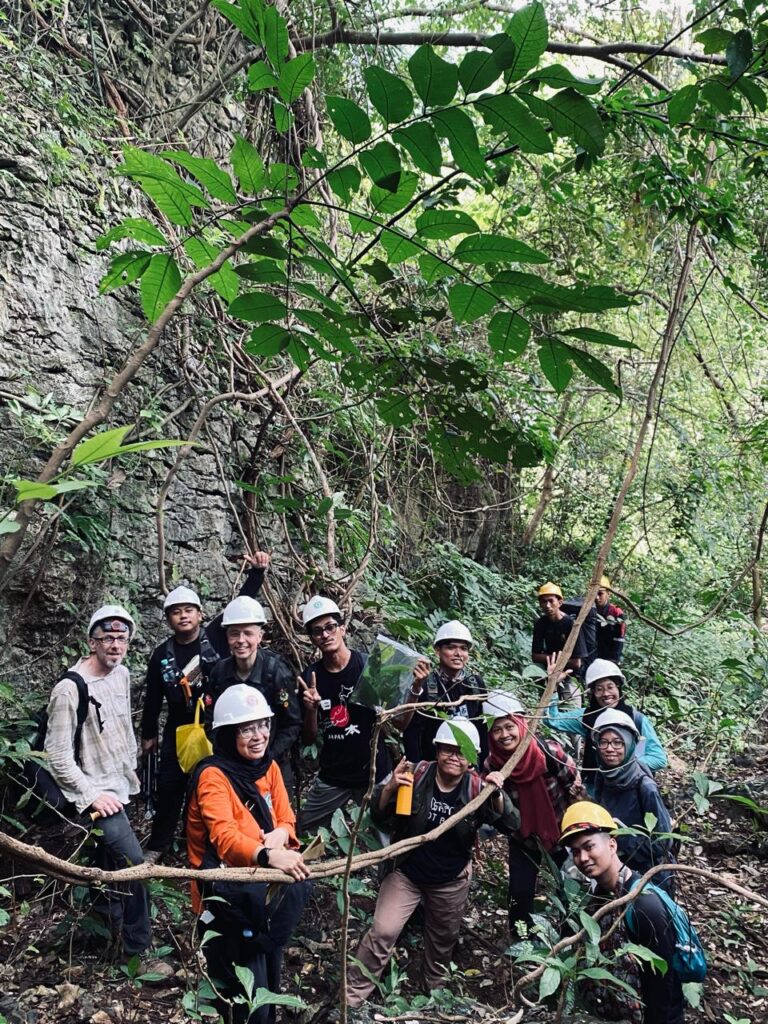
The Maros-Pangkep Karst Landscape is one of Indonesia’s most important natural ecosystems, characterized by unique geological formations, high biodiversity, and valuable ecological functions. The area provides habitats for various organisms, including macrofungi that play essential roles as decomposers, nutrient recyclers, and indicators of ecosystem health. However, fungal diversity in many tropical ecosystems remains insufficiently documented, creating opportunities for further scientific exploration and conservation-based research.
The activity entitled “Exploration of Macrofungal Diversity in the Maros-Pangkep Karst Landscape for Biodiversity Conservation and Sustainable Ecosystem Management” was conducted from 10–15 April in the Maros-Pangkep Karst Area, South Sulawesi, Indonesia. This exploration focused on field observation, identification, documentation, and collection of macrofungal specimens to understand their diversity and ecological significance within the karst environment.
The activity involved researchers, academics, and students through collaborative efforts between national and international partners. The participants included Tine Grebenc, Otto, Ibu Retno, Ibu Khadija, Ibu Nira, Ibu Margaretta, Bapak Iswanto, and Bapak Muhammad Bima. The activity was also supported by students Muh Reza and Zulkifly, who actively participated in field exploration, specimen documentation, and research activities. The international collaboration was strengthened through the involvement of Tine Grebenc as an international research partner with expertise in fungal biodiversity and ecology.
During the exploration, participants conducted field surveys to observe macrofungal communities associated with forest vegetation, soil, and organic substrates within the karst landscape. The activities included morphological observation, environmental assessment, specimen documentation, and discussions on fungal identification approaches. The findings from this exploration are expected to contribute to scientific databases, biodiversity conservation programs, and future research on tropical macrofungal resources.
This activity contributes to the achievement of Sustainable Development Goals (SDGs), particularly SDG 4: Quality Education, by providing opportunities for knowledge exchange, scientific training, and capacity building among researchers and students. It also supports SDG 17: Partnerships for the Goals through international collaboration and cooperation between researchers from different institutions and countries. Furthermore, this activity strongly aligns with SDG 15: Life on Land by promoting biodiversity assessment, ecosystem conservation, and sustainable management of terrestrial ecosystems.
In addition, understanding macrofungal diversity may support future applications in biotechnology, environmental monitoring, and sustainable utilization of biological resources. Through continuous research collaboration and biodiversity exploration, the Maros-Pangkep Karst Area can be better recognized as an important ecosystem for conservation, scientific development, and sustainable resource management. This initiative demonstrates the important role of research institutions in protecting biodiversity while generating knowledge that benefits both science and society.