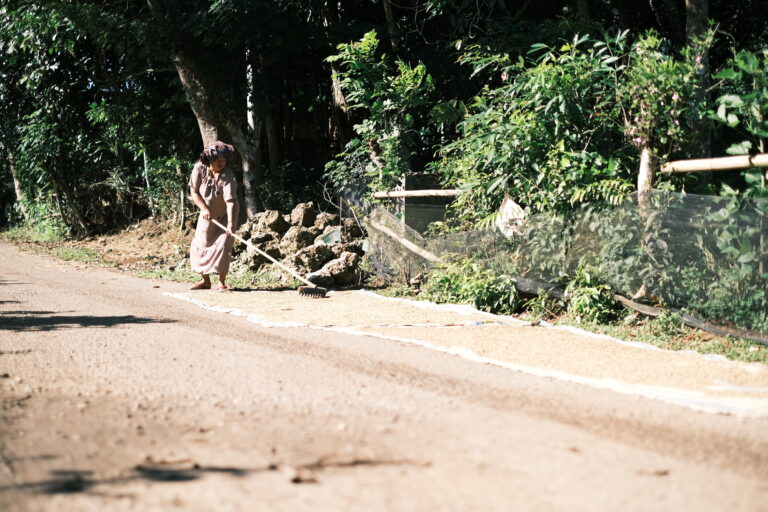
A village regulation does not begin with a document. It begins with conversations about what matters to a community, what needs to change, and how those needs can be reflected in local rules.
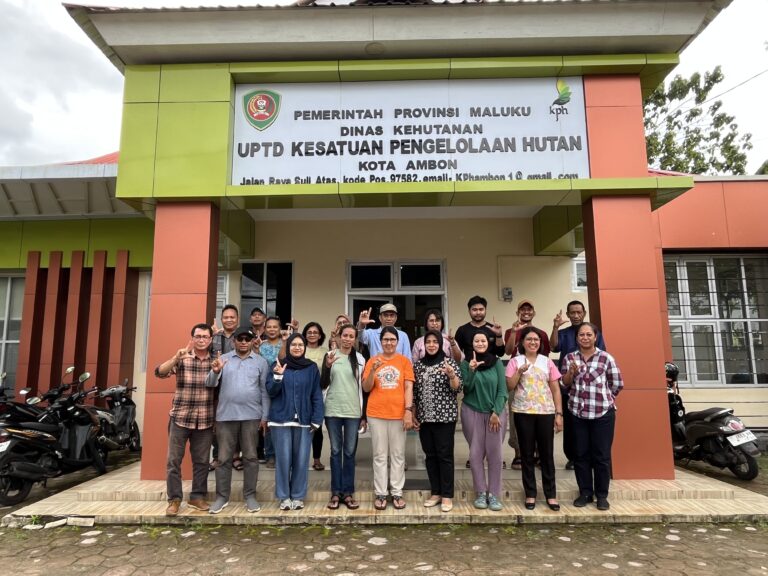
This was the starting point for a five-day legal drafting and consultation process in Tamalea Village, conducted from July 6 to 10, 2026. The activity was part of the ongoing work of the Forest and Society Research Group (FSRG) at Hasanuddin University’s Faculty of Forestry, in partnership with the University of West Sulawesi and supported by RECOFTC through EXPLORE.
The process built on earlier participatory research under the project “Fair for Who? Comparing Politics, Power and Uncertainty in the Transformation of the Tropical Forest-Agriculture Frontier in Southeast Asia (Indonesia Chapter).” Through this earlier work, researchers had spent time listening to residents and understanding how people experience changes in their forests, agricultural land, resources, and livelihoods. The next step was to bring some of these local concerns into the formal process of village governance.
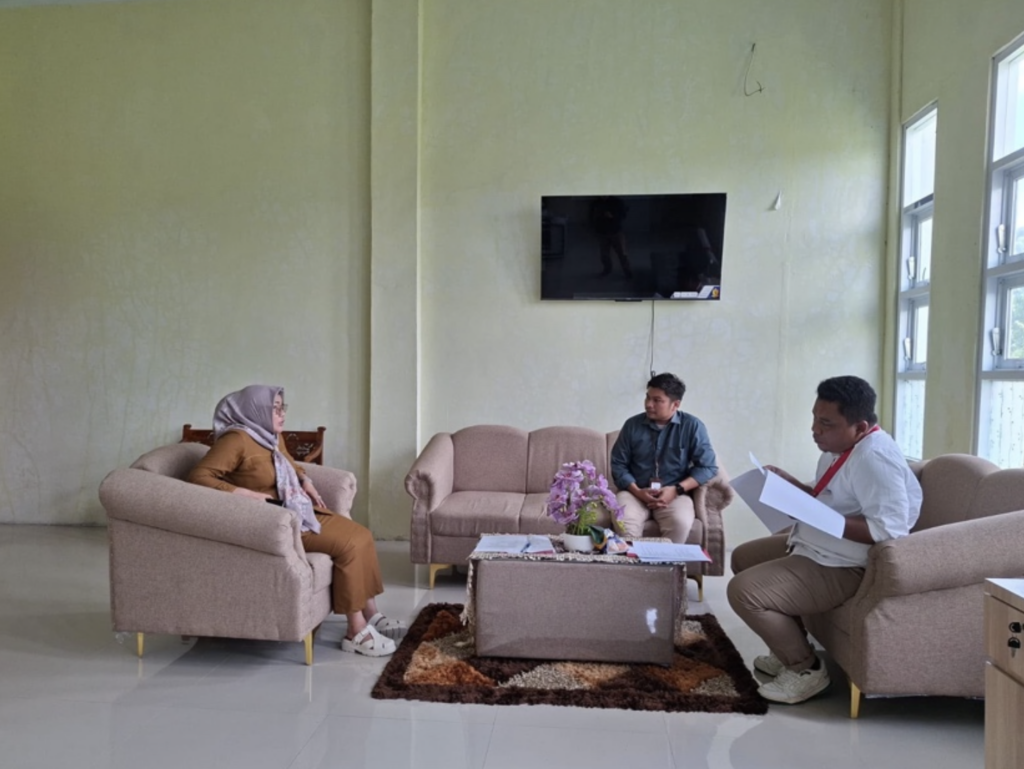
Explore researchers worked with the Tamalea Village Government to review and develop the draft Village Regulation (Peraturan Desa). The work began on July 6, when the team coordinated with village officials. The following day, they sat down with the existing draft, reviewing its content and identifying issues that needed further discussion.
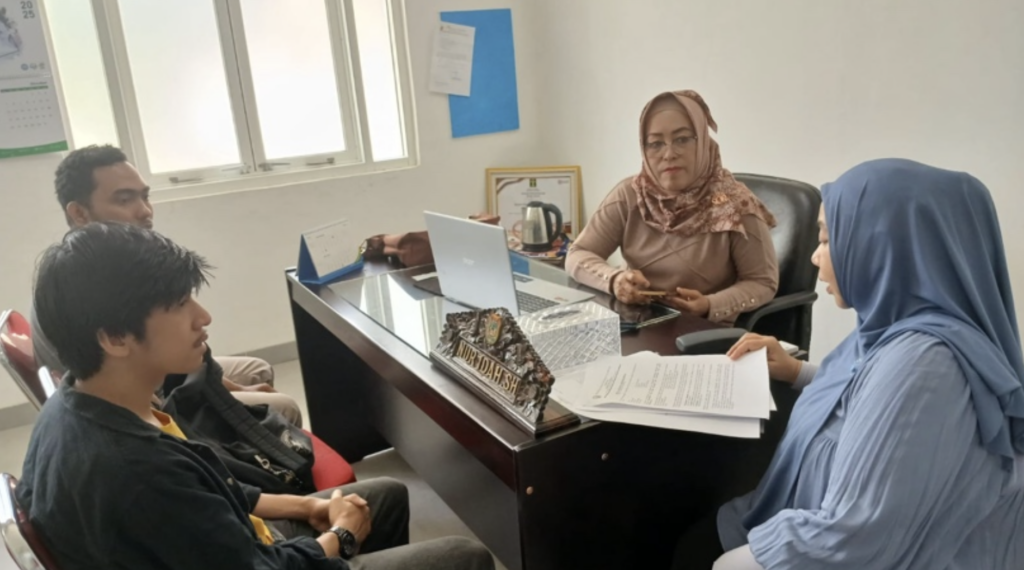
But developing a village regulation involves more than getting the wording right. It also requires navigating the wider legal and institutional system. On July 8, the team brought the draft to the Regency Legal Bureau for consultation. The discussion provided an opportunity to examine the draft from a legal perspective and to understand what needed to be adjusted to meet existing regulations and institutional requirements.
The consultation also created a bridge between two levels of governance. Ideas and concerns that emerged from the village could be discussed within the formal legal framework of the regency, while feedback from the regency could be brought back into the village-level drafting process.
The team spent the following day reviewing the consultation and making revisions to the draft. On July 10, they finalized the consultation notes and coordinated the next steps with relevant stakeholders before returning to Makassar. The process helped bring community needs into conversation with the institutions responsible for shaping local regulations. The consultation produced legal and institutional recommendations, while the revised draft provided a stronger basis for the Village Regulation to move toward adoption and implementation.