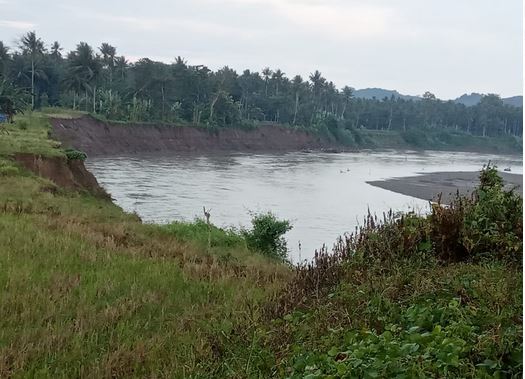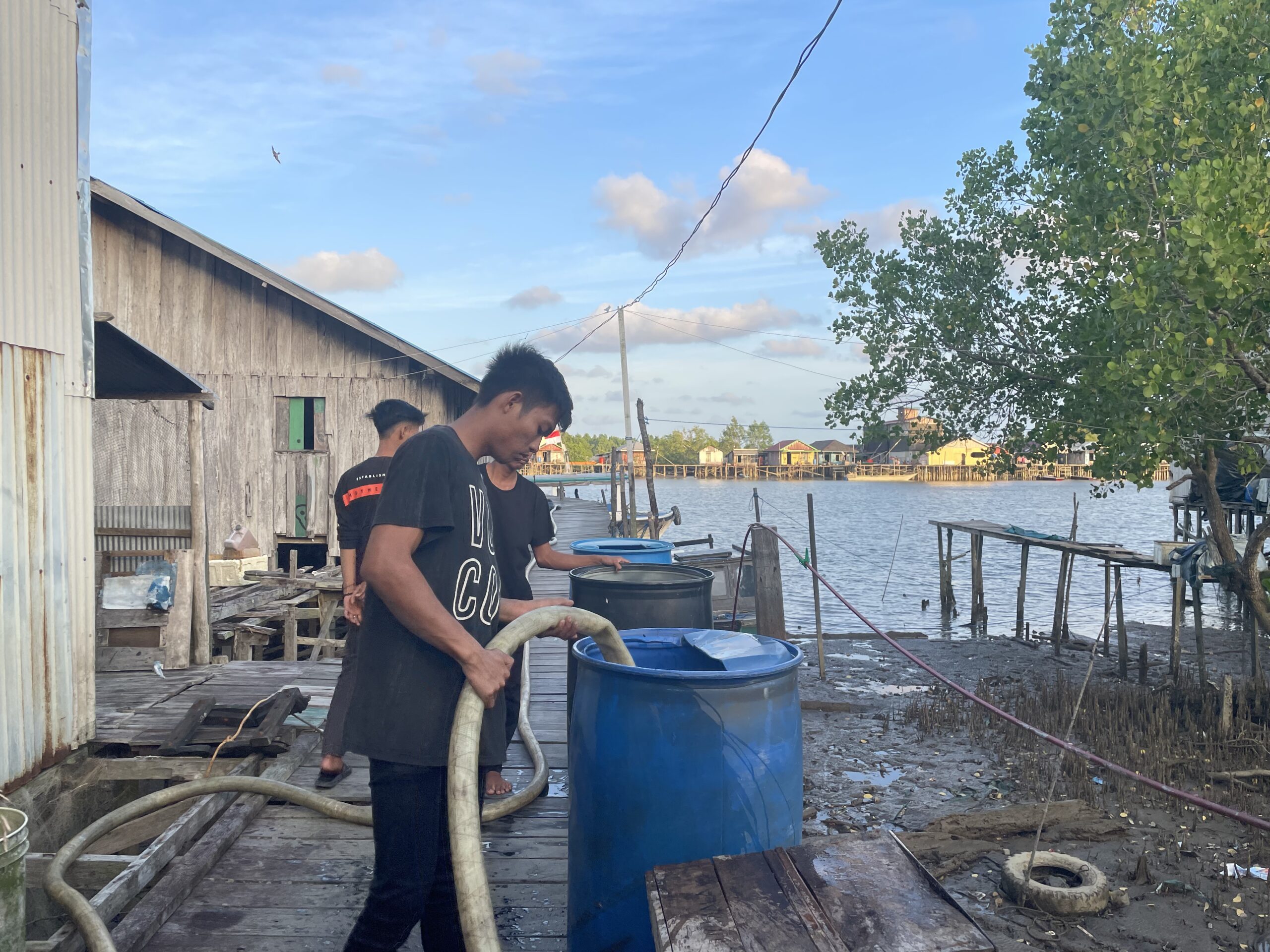

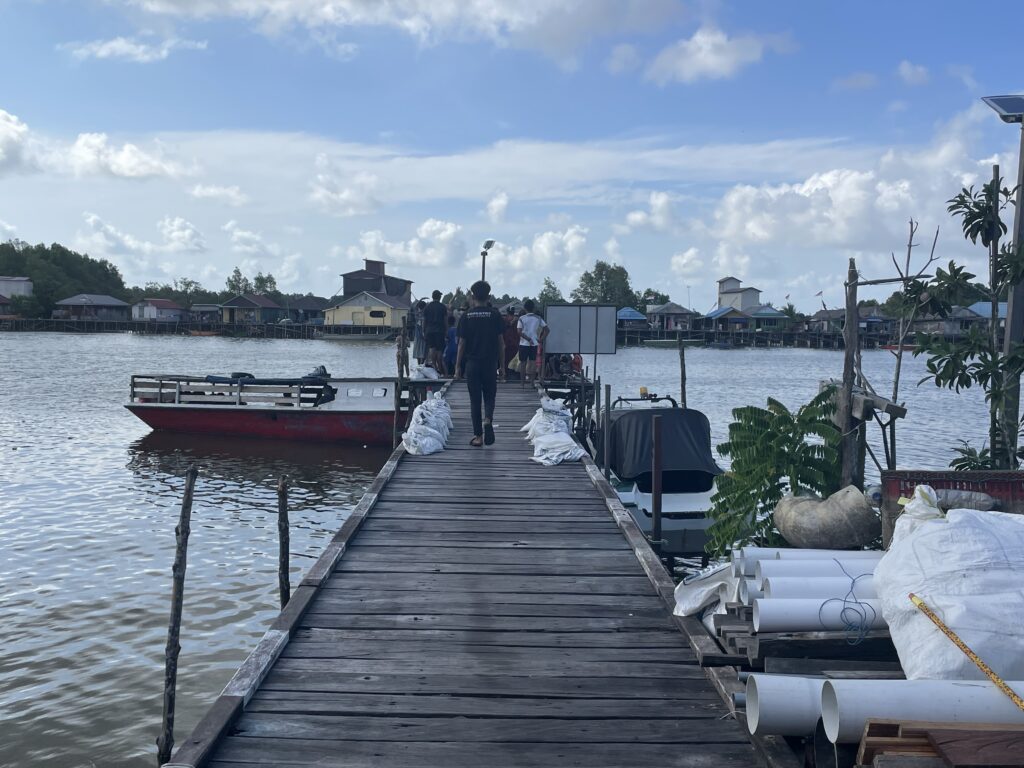
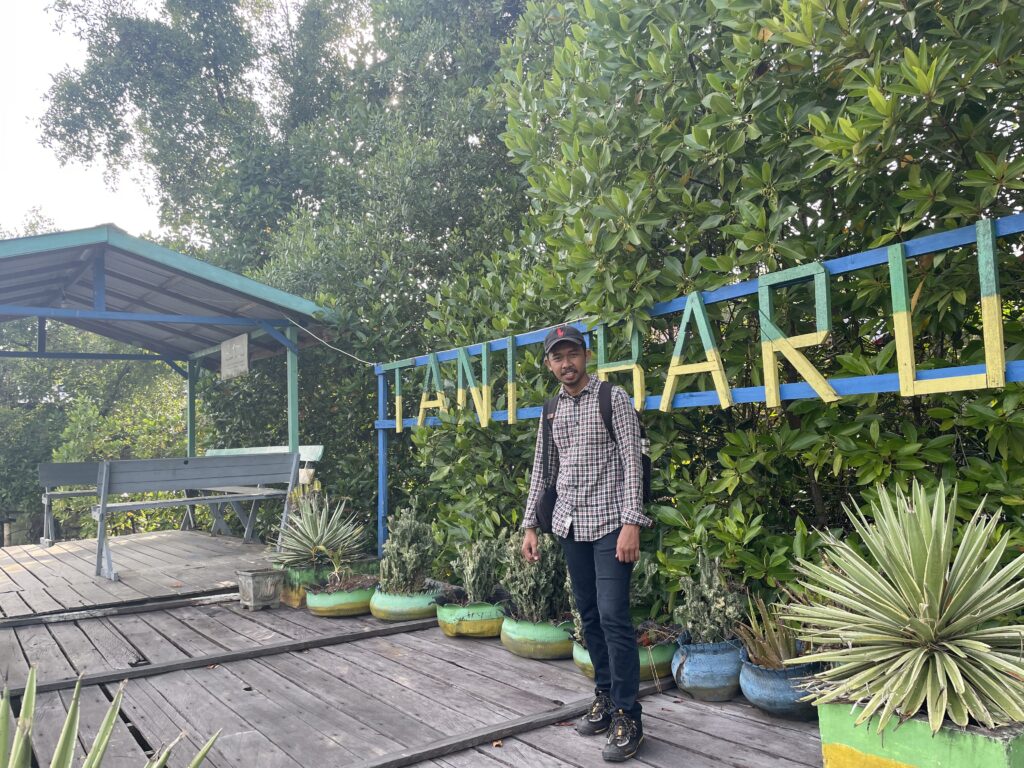
MAKASSAR, Indonesia July 10 2026/FSRG/ – To visit Tani Baru, you have to travel by boat. Tucked away at the edge of the Mahakam Delta in East Kalimantan, this water world has no roads, only winding river channels and wooden houses built on stilts. Nearly everyone living here belongs to the Bugis ethnic group, whose ancestors crossed the sea from South Sulawesi in search of safety and a better life. Over the past century, their arrival completely transformed this wild coastline.
According to Ilham Basmar’s published paper titled Waves of Bugis Migration to the Mahakam Delta: Livelihood Trajectories and Landscape Changes along the Rural Coastlines of East Kalimantan that was published on Journal Forest and Society by Faculty of Forestry, Universitas Hasanuddin on 25 June 2025, the story began in the 1920s when the first Bugis families fled local conflicts and coastal pirates. Armed with only simple tools like machetes and hoes, they cleared small patches of thick mangrove forest to grow coconuts and sweet potatoes while catching wild fish from small wooden boats. A few decades later, in the 1950s and 1960s, a second wave of families arrived by sailboat, this time running from a violent civil rebellion in South Sulawesi. Because earlier settlers were already there to share food and land, the newcomers were able to quickly rebuild their lives as farmers and fishermen. In those early days, the natural environment remained mostly healthy and green.
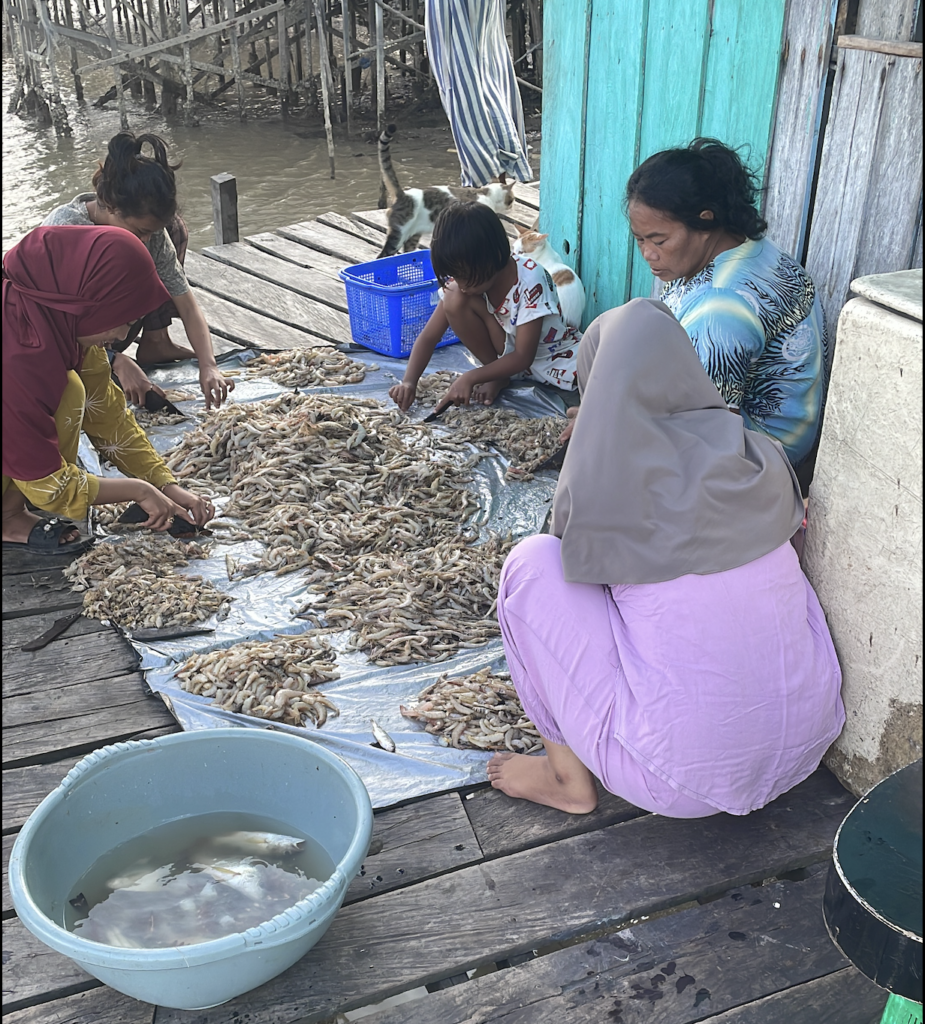
Big changes arrived in the 1970s and 1980s when international companies set up cold storage facilities nearby to buy local seafood. When the Indonesian government banned large trawler fishing nets in 1980 to protect the seabed, local villagers had to adapt. They decided to turn their hand-cleared farmland into fish and shrimp ponds, using wooden gates to let the tides wash in and out.
Then came the massive shrimp boom of the late 1990s. During a major financial crisis, the value of the Indonesian rupiah dropped, making exported black tiger shrimp worth a fortune. Suddenly, everyone wanted to get rich raising shrimp. Instead of digging mud by hand, wealthy local sponsors bought heavy excavators to rip through the forests day and night. Thousands of new workers rushed to the delta to take jobs on the ponds. By 2001, more than half of the delta’s lush mangrove forests, over 85,000 hectares, had been wiped out and replaced by water pens.
However, the easy money did not last. In the early 2000s, water pollution from nearby oil drilling and overcrowded ponds caused widespread diseases that wiped out entire shrimp harvests. With their income gone and debts piling up, many farmers walked away from the business. Some packed up and moved away, while others went back to catching wild fish in the open water.
Today, life in Tani Baru is much quieter. In the empty, abandoned ponds where heavy machines once worked, nature is slowly making a comeback. Green mangrove seedlings are quietly taking root in the mud once again, proving how a single community’s search for survival can reshape an entire landscape and how nature slowly heals itself when left alone.
This article contributes to the Sustainable Development Goals (SDGs), particularly SDG 3 (Good Health and Well-being), SDG 4 (Quality Education), SDG 5 (Gender Equality), and SDG 13 (Climate Action). By exploring the experiences of Bugis migrants and their efforts to build new lives in the delta, the article highlights how migration, livelihoods, and changing environments shape community well-being. It also brings attention to the different experiences and roles of women and men within migrant communities, while showing how local knowledge and adaptation can help communities respond to environmental and climate-related changes. Through sharing these experiences and knowledge, the article supports learning about migration, livelihoods, and community resilience in changing landscapes.
Reference
DOI: https://doi.org/10.24259/fs.v9i1.40331
Contact:
Muhammad Ilham Basmar, S.Hut, M.Hut
+62 852-9846-4705
muhilham630@gmail.com