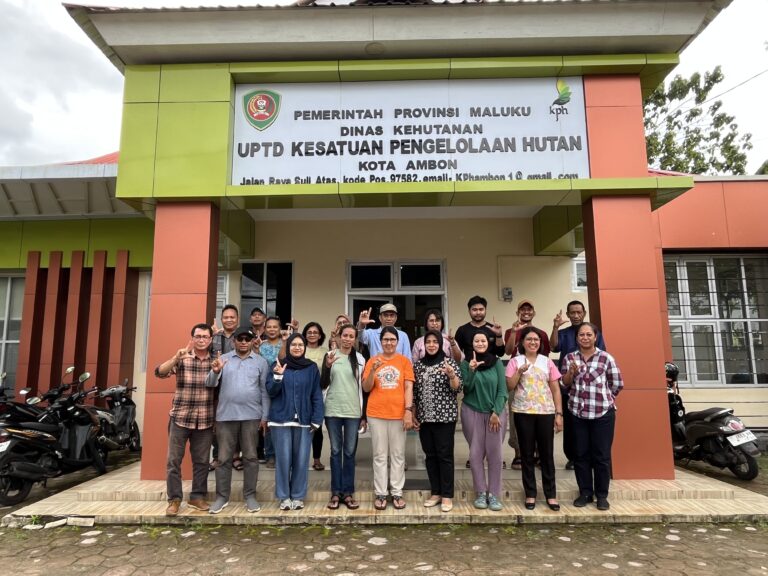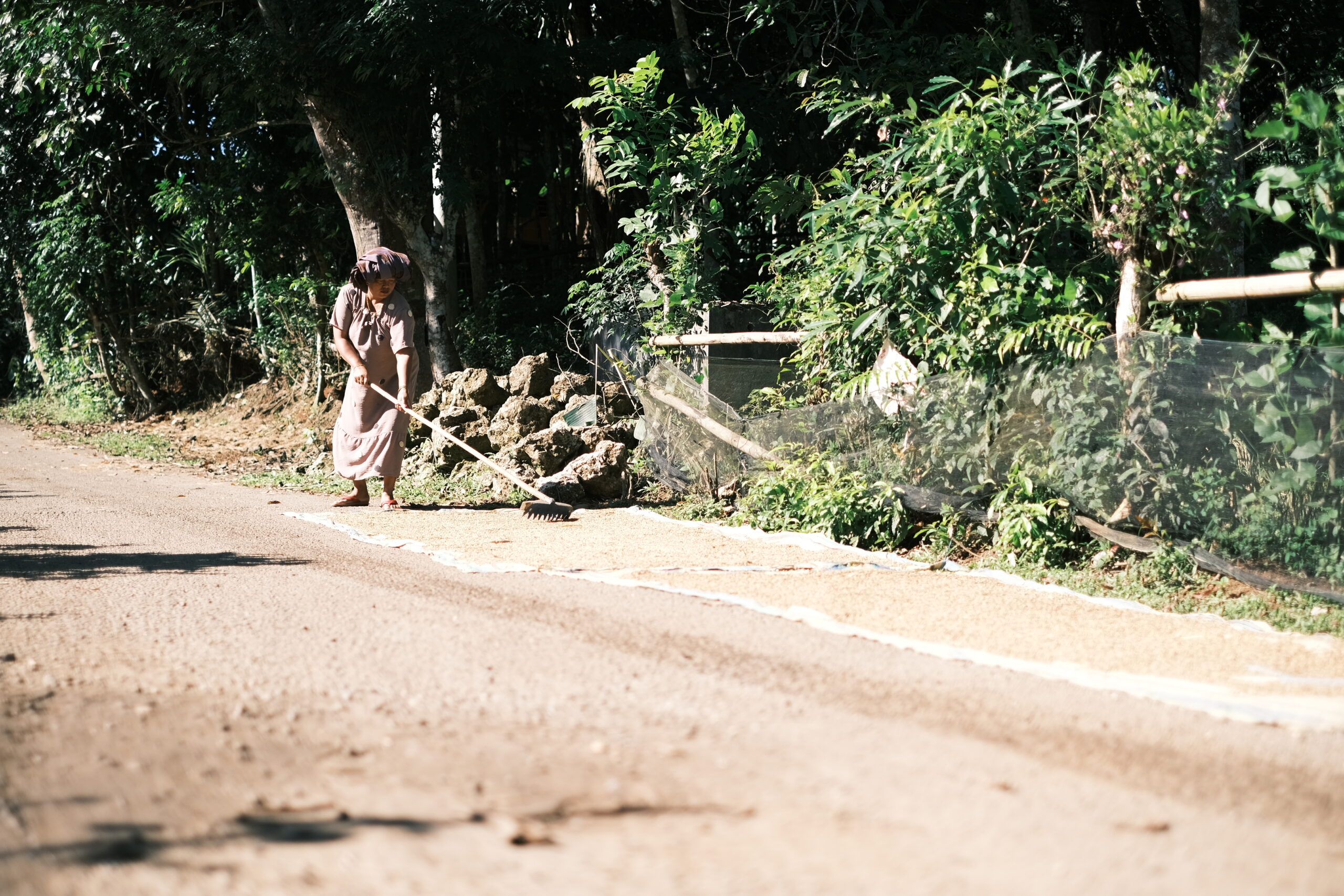

MAKASSAR, Indonesia March 16 2026/FSRG/ – Indonesia is at an important crossroads in recognizing Indigenous peoples’ rights to forests. The government is currently working on the fourth amendment to the Forestry Law, alongside a commitment to recognize 1.4 million hectares of customary forests within the next four years.
At first glance, this sounds like good news. But research by Sahide, Abdullah, and Moeliono, titled Policy forum: Indigenous forest rights at a crossroads? A critical look at Indonesia’s planned forestry law amendment that was published in the journal Forest Policy and Economics by Elsevier on 11 February 2026, shows that the reality is much more complicated. Legal recognition does not necessarily mean that communities gain meaningful control over their territories.
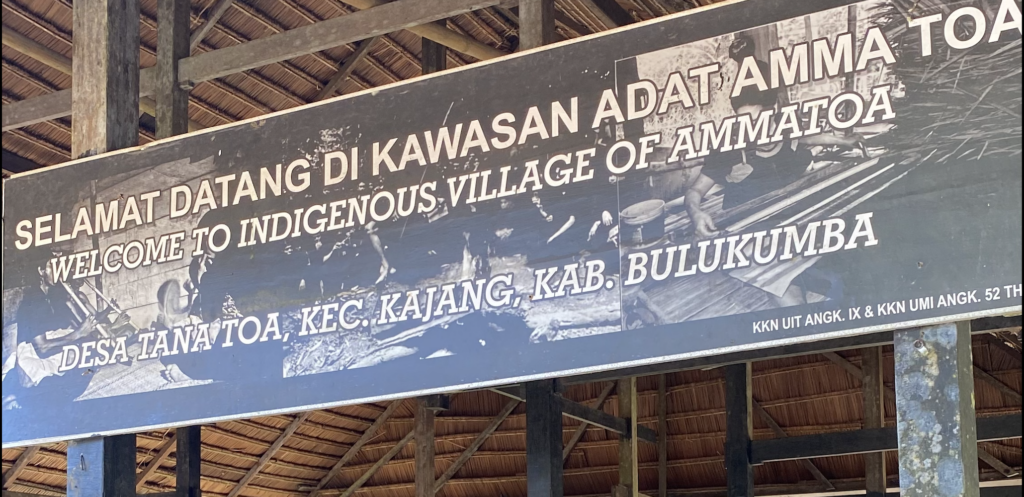
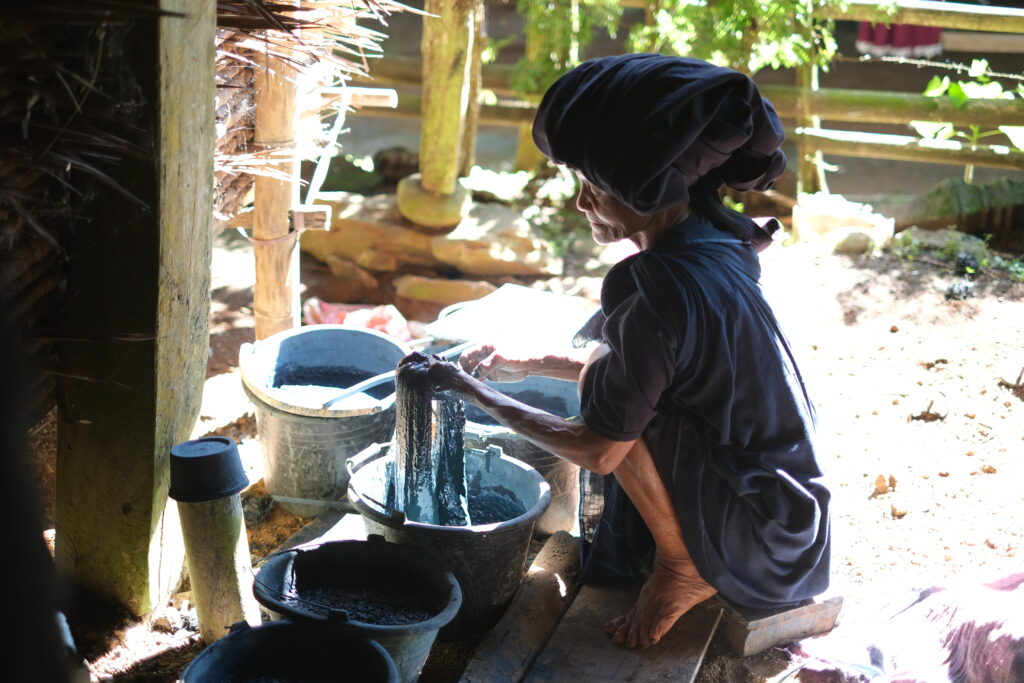
Take the Ammatoa Kajang community in South Sulawesi. The community has received recognition for 313.99 hectares of customary forest. Yet this recognition has not resolved the larger agrarian conflict involving plantation concessions. Around 2,000 hectares of customary land remain inside the concession area. When the company’s land-use title expired, recognition of the community’s customary territory did not automatically return the land to the community.
The Tomakki community in West Sulawesi faces a different problem. Transmigration policies during the New Order period fragmented their ancestral territory and weakened their traditional governance. When mining activities later expanded into the area, only around ten households remained. Ironically, the conditions that now make recognition difficult were partly created by earlier state policies.
In Kalimantan, the Punan Batu face another barrier. Their nomadic hunter-gatherer way of life is based on adap, a dynamic territory that includes hunting routes, seasonal areas, and spiritual sites. Such relationships are difficult to fit into a system that requires fixed boundaries and sedentary land use. Recognition rules designed around an agrarian model can therefore exclude communities whose relationships with forests are more mobile.
The Konda case in Southwest Papua shows how existing business concessions can also limit Indigenous rights. Of the 41,111.81 hectares proposed as customary forest, only around 19,838 hectares were approved. Areas inside existing concession zones were excluded from recognition.
Together, these cases point to a larger problem: recognition means little if it does not come with secure rights, conflict resolution, and protection from more powerful interests.
The fourth amendment therefore needs to go beyond creating another recognition procedure. It needs to address historical dispossession, prevent elite capture, accommodate different ways of relating to forests, and establish clear mechanisms for dealing with overlapping claims and concessions.
The real measure of progress should not simply be how many hectares of customary forest are officially recognized, but whether recognition gives Indigenous communities meaningful rights and the ability to shape the future of their territories.
This article contributes to the Sustainable Development Goals (SDGs), particularly SDG 5 (Gender Equality), SDG 13 (Climate Action), SDG 15 (Life on Land), and SDG 16 (Peace, Justice and Strong Institutions). By examining the gap between the recognition of customary forests and the recognition of community rights, the article highlights the importance of inclusive and equitable forest governance. Recognising the rights and participation of local communities, including women, is essential for fair decision-making and sustainable forest management. The article also highlights how stronger and more inclusive institutions can support the protection of forests and local livelihoods while contributing to responses to climate and environmental challenges.
Reference
DOI: https://doi.org/10.1016/j.forpol.2026.103730
Contact:
Prof. Dr. forest. Muhammad Alif K. Sahide
+62 823-9357-0098
muhammadalif@unhas.ac.id