
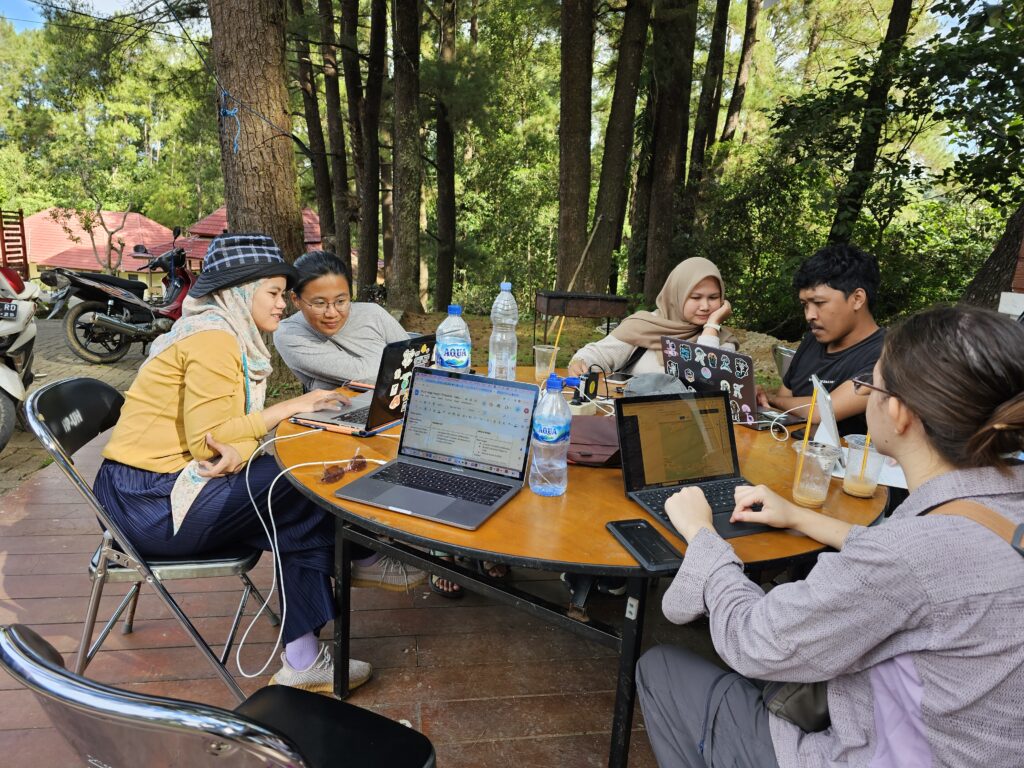
MAKASSAR, Indonesia October 2 2025/FSRG/ – Research does not always happen the way we imagine it. You prepare your questions. You have your methods. You know what you want to find out. Then you arrive in the field, meet people, walk through their landscapes, and suddenly, things look different.
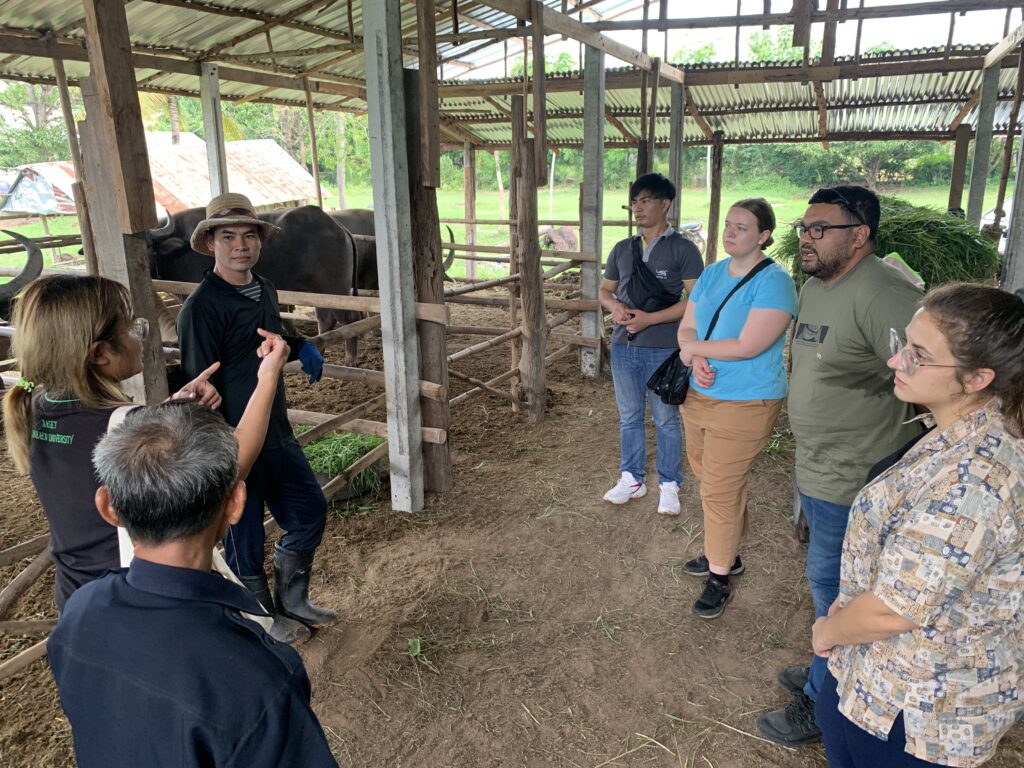
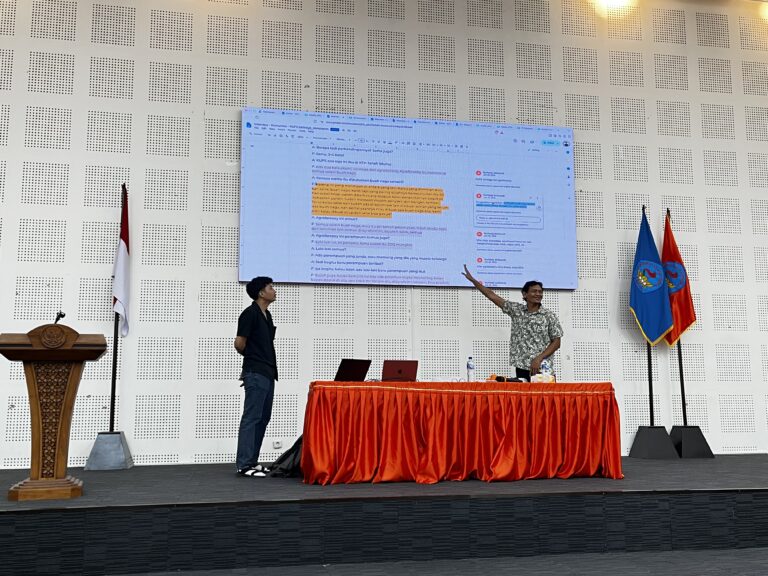
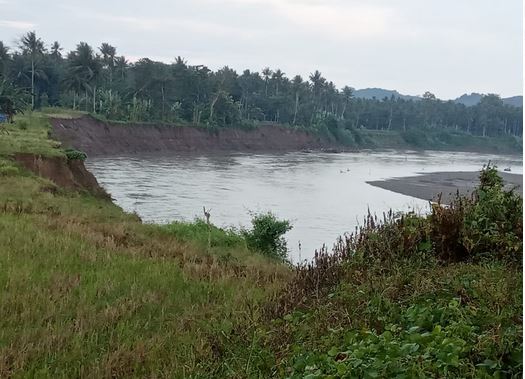
This is one of the lessons from a our published paper titled Collaboration as Method: Field Lessons from South Sulawesi, Indonesia and Khon Kaen, Thailand that was published on Journal Forest and Society by Faculty of Forestry, Universitas Hasanuddin on 30 September 2025. Collaborative Southeast Asia Field School involving students and emerging researchers from Universitas Hasanuddin, Khon Kaen University in Thailand, and the University of Hawai‘i at Mānoa. Working across South Sulawesi and Khon Kaen, participants explored changes in agriculture, land, commodities, and water.
But the field school was beyond collecting information. It was about learning how to research together.
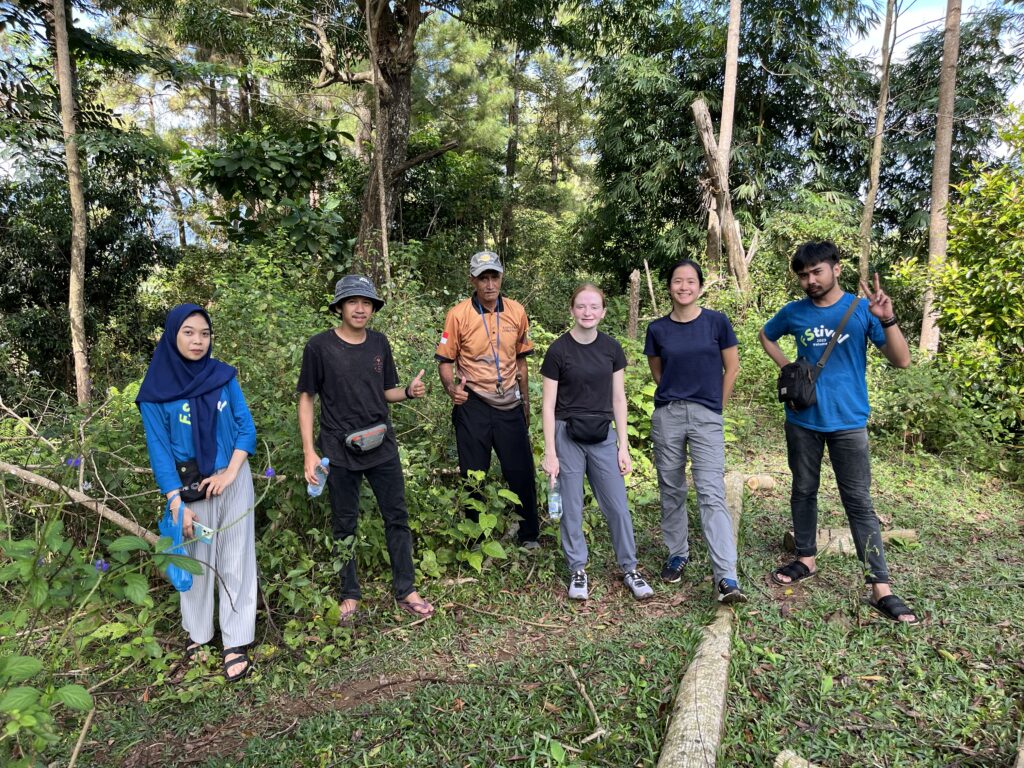
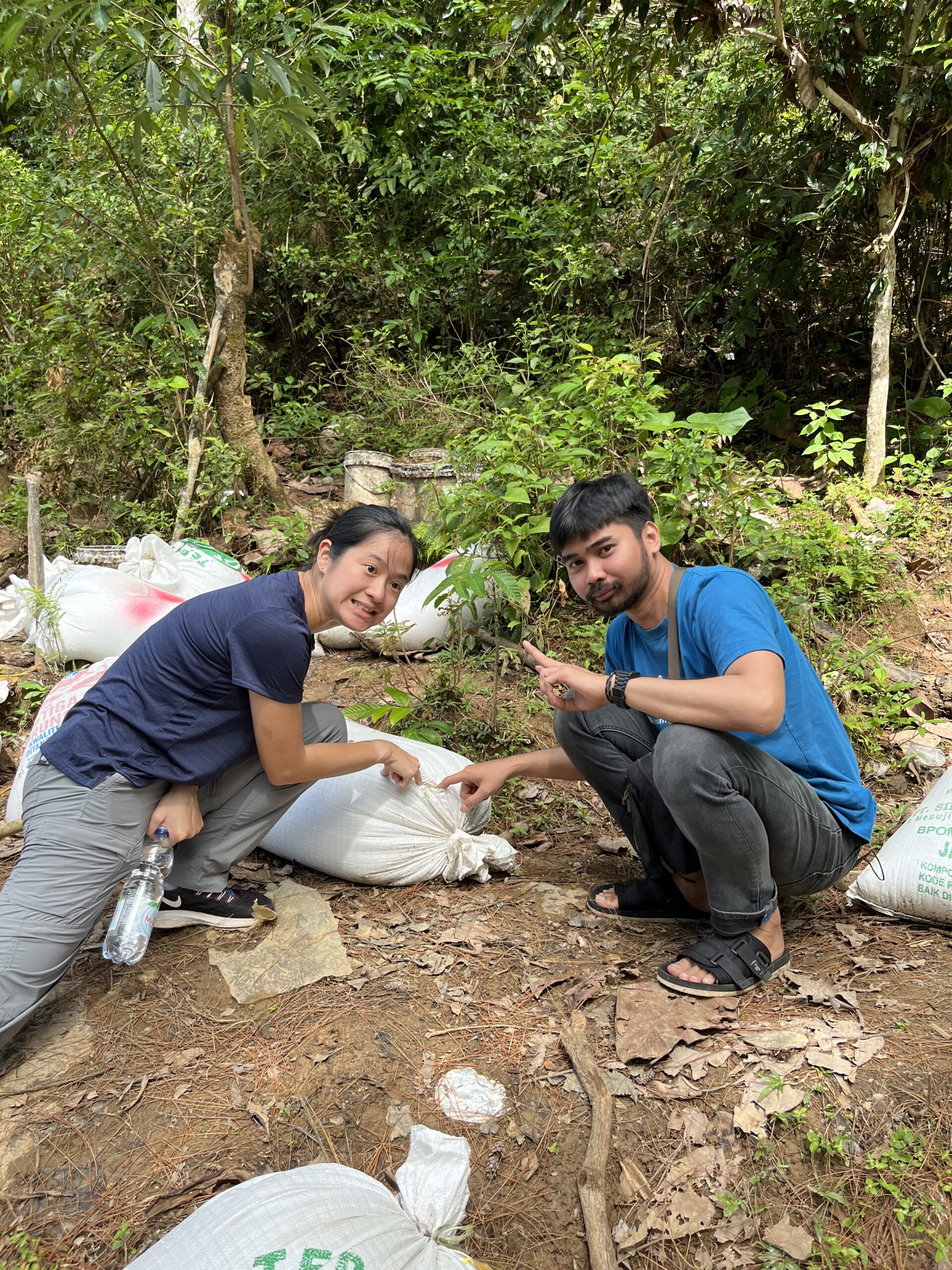
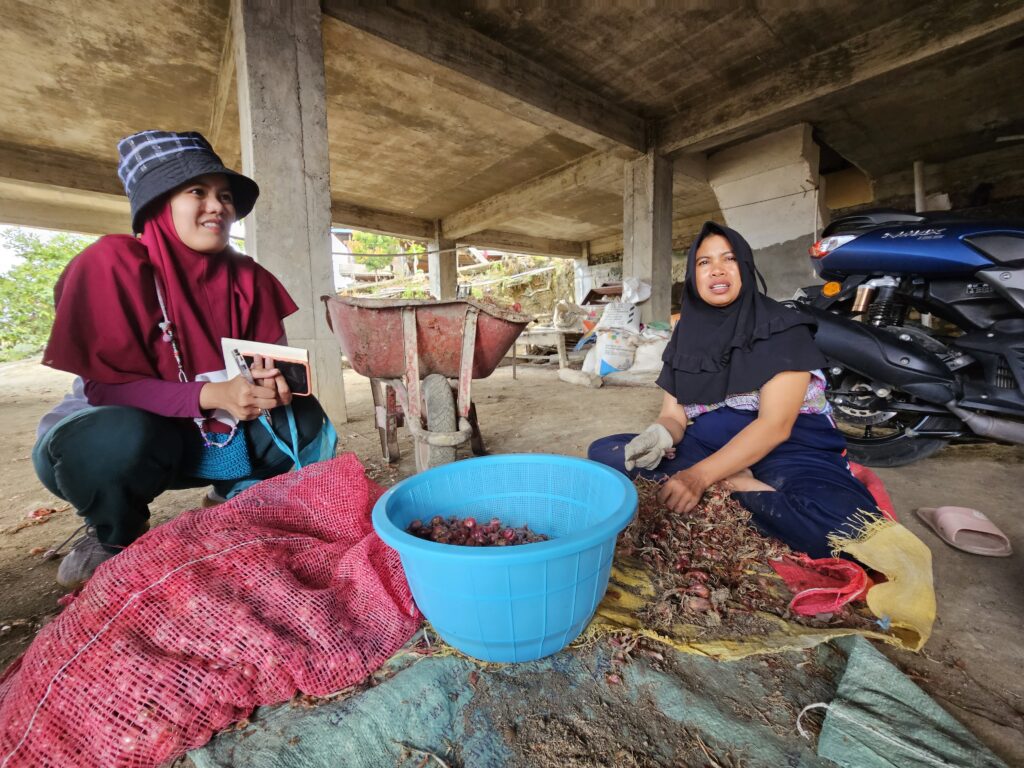
In South Sulawesi, researchers followed farmers and agricultural activities to understand how landscapes and livelihoods were changing. In Bawang, they studied shallot production not only through interviews, but by observing and participating in everyday activities such as planting and harvesting. Even routine tasks like cleaning, weighing, and packing shallots revealed details about farmers’ time and labour that might otherwise have been overlooked.
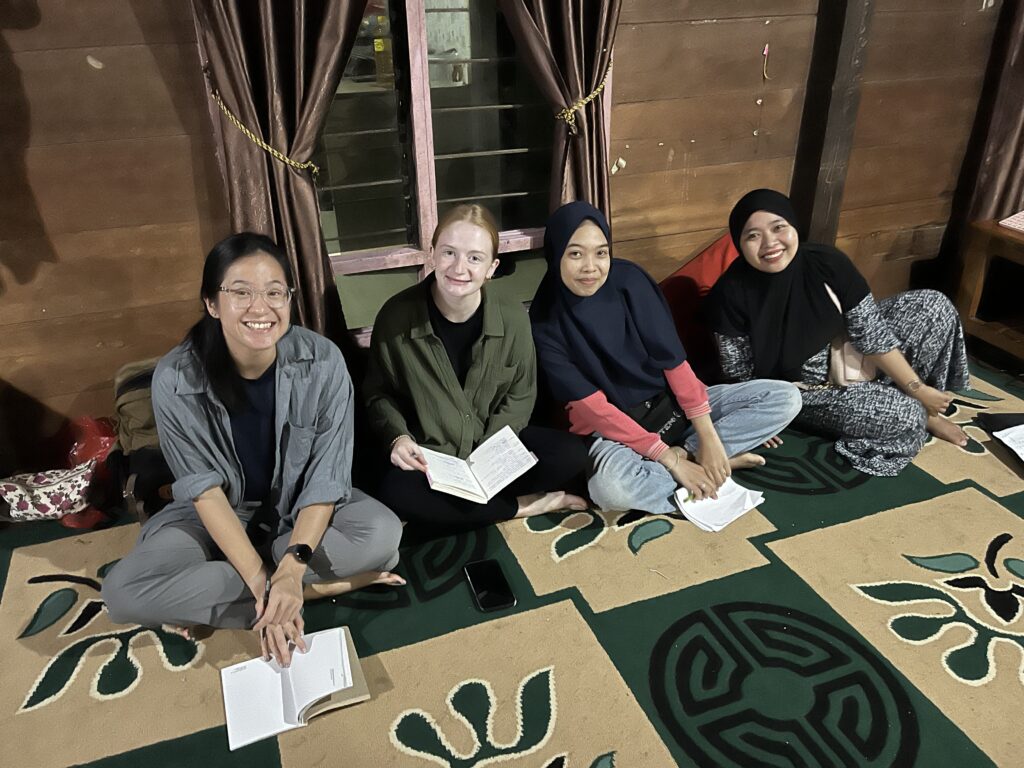
The researchers also had to learn from one another.
Different languages made communication challenging. So did different academic backgrounds and ways of understanding the field. Teams responded by using photographs, videos, maps, drawings, and other visual methods to bridge gaps in language and disciplinary knowledge.
These differences became useful rather than simply obstacles. Questions about agriculture and environmental change often required perspectives from several disciplines, including geography, anthropology, forestry, agriculture, political science, and engineering.
But collaboration also raised a harder question: who gets to decide what research is about?
International research has often followed an unequal model, where researchers from the Global North develop the questions and researchers in the Global South are expected to collect the data. The field school attempted to challenge this pattern by contributing to research projects and priorities already developed by Southeast Asian partner institutions.
This did not make every difference disappear. Instead, it made those differences part of the conversation.
By spending time together in the field, participants also began to see Southeast Asia differently. The region became less of an academic category and more of a collection of real places, people, histories, and environmental changes.
The field school ultimately produced more than preliminary research findings. It created new relationships, friendships, exchanges, and possibilities for future collaboration among emerging Southeast Asian scholars. Perhaps that is what collaboration can offer research at its best. Not just more people doing the same research, but more ways of seeing what is happening.
This article contributes to the Sustainable Development Goals (SDGs), particularly SDG 4 (Quality Education), SDG 5 (Gender Equality), SDG 13 (Climate Action), and SDG 17 (Partnerships for the Goals). By bringing together different languages, landscapes, and ways of knowing, the article highlights the value of diverse knowledge and experiences in understanding environmental challenges. It also recognizes the importance of inclusive perspectives, including gender and local knowledge, in shaping responses to climate and environmental change. Through sharing knowledge and connecting different perspectives, the article also demonstrates the importance of collaboration and partnerships in advancing more inclusive and sustainable approaches to environmental issues.
Reference
DOI: https://doi.org/10.24259/fs.v9i1.39609
Contact:
Ci Yan Sara Loh
cysloh@hawaii.edu