


ROADMAP
Research Sub-Theme

Technological Innovations in Food Enrichment
Description
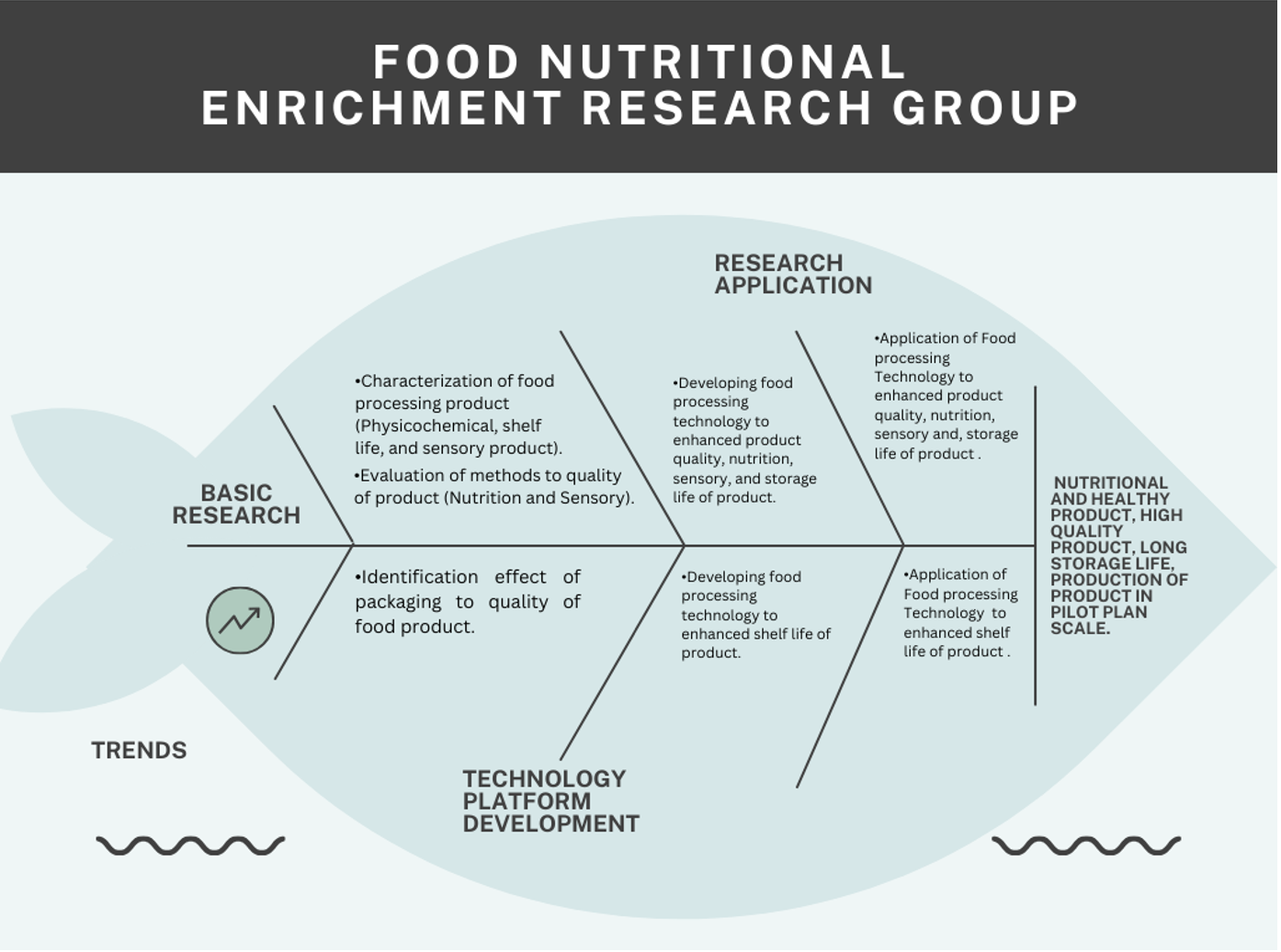
Food enrichment is a crucial aspect of modern food technology aimed at improving the nutritional quality of food products to address deficiencies and enhance overall public health. Technological innovations in food enrichment involve the development and application of advanced methods to incorporate essential vitamins, minerals, proteins, and other bioactive compounds into food products without compromising taste, texture, or shelf life.
Recent advancements in biotechnology, nanotechnology, and food processing techniques have significantly improved the efficiency and effectiveness of food enrichment. Techniques such as microencapsulation, biofortification, and the use of functional ingredients enable better retention and bioavailability of nutrients in food products. Additionally, smart food fortification strategies, including precision nutrition and personalized food enrichment, are gaining prominence in the industry.
This research explores various technological innovations in food enrichment, their impact on nutrition and health, and the challenges associated with their implementation. It also examines regulatory frameworks, consumer acceptance, and future trends in the field. The findings aim to contribute to the development of more effective and sustainable food enrichment technologies to combat malnutrition and improve global food security.
Fortification and Biofortification of Foods
Description
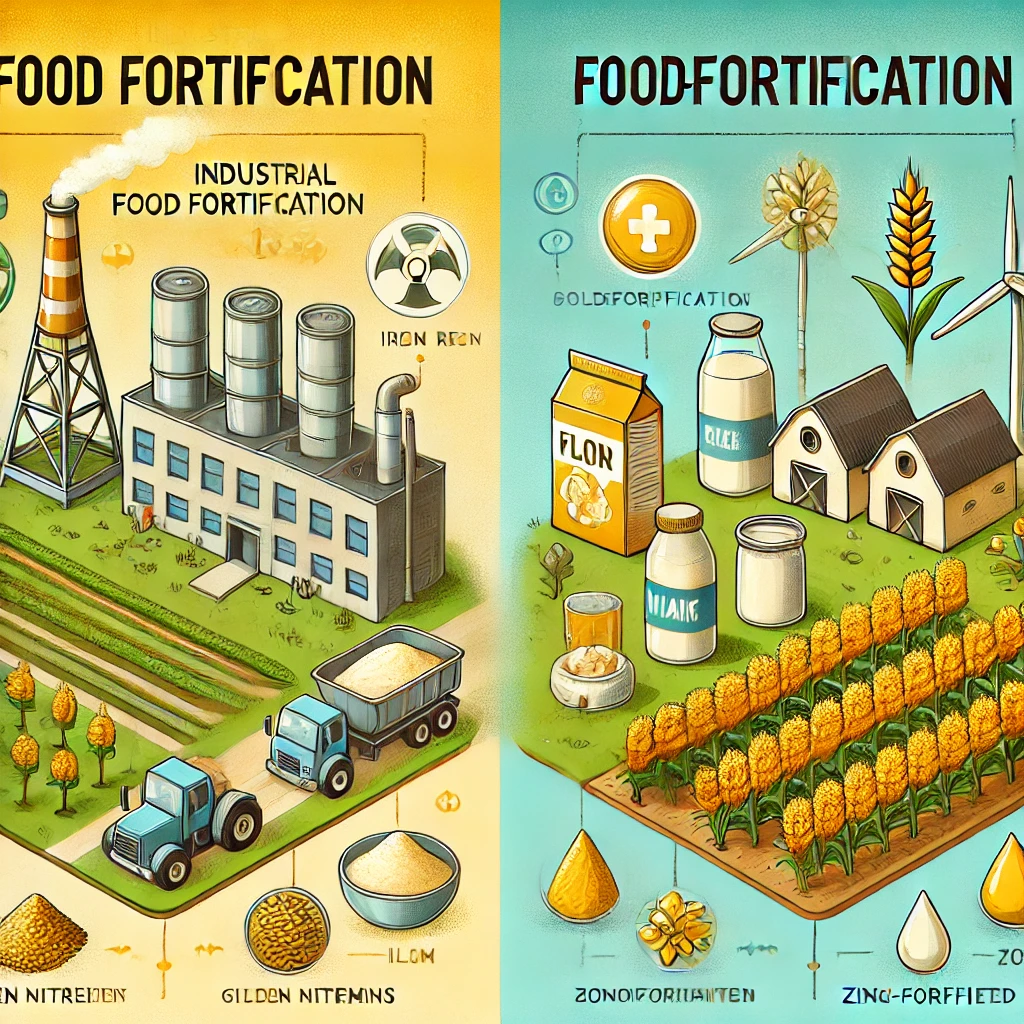
Fortification and biofortification are two essential strategies in food science aimed at addressing micronutrient deficiencies and improving global nutrition. Fortification refers to the process of adding essential vitamins and minerals to food products during processing, whereas biofortification involves enhancing the nutrient content of crops through agricultural and biotechnological methods. Both approaches play a critical role in combating malnutrition and ensuring food security, particularly in developing regions.
Technological advancements have significantly improved fortification techniques, enabling the development of stable and bioavailable nutrient formulations that do not alter the sensory properties of food. Common fortified foods include flour enriched with iron and folic acid, iodized salt, and dairy products fortified with vitamin D. On the other hand, biofortification utilizes genetic modification, selective breeding, and agronomic practices to increase the natural nutrient content of crops such as biofortified rice with vitamin A or zinc-enriched wheat.
This research explores the latest developments in food fortification and biofortification, evaluating their effectiveness, challenges, and potential risks. It also examines the regulatory frameworks governing these interventions, consumer perceptions, and their long-term impact on public health. The findings aim to contribute to the advancement of sustainable and cost-effective nutrition enhancement strategies to combat hidden hunger and malnutrition worldwide.

Cultural and Behavioral Aspects of Nutrition
Description
Nutrition is deeply influenced by cultural and behavioral factors, shaping dietary habits, food choices, and overall health outcomes. Cultural aspects of nutrition encompass traditional food practices, religious dietary restrictions, culinary heritage, and societal norms that dictate what, when, and how people eat. Meanwhile, behavioral aspects focus on individual and collective attitudes, preferences, and lifestyle factors that influence eating patterns and nutritional decisions.
Different cultures have unique dietary traditions that reflect historical, geographical, and environmental influences. For example, Mediterranean diets are rich in olive oil, vegetables, and seafood, while Asian diets often incorporate rice, soy-based products, and fermented foods. Religious and ethical beliefs, such as Halal, Kosher, or vegetarianism, also play a significant role in shaping nutritional behaviors.
This research explores how cultural and behavioral factors impact dietary choices, nutritional health, and the effectiveness of public health interventions. It examines how globalization, urbanization, and changing socioeconomic conditions influence traditional eating habits and contribute to nutritional transitions. The study also investigates strategies to promote healthier eating behaviors while respecting cultural diversity and individual preferences. Findings from this research can aid in designing culturally appropriate nutrition policies and interventions to improve public health worldwide.
Sustainable Nutritional Solutions
Description
Sustainable nutritional solutions focus on providing adequate and balanced nutrition while minimizing environmental impact, promoting food security, and ensuring long-term health benefits. As global challenges such as climate change, resource depletion, and food scarcity continue to rise, developing sustainable approaches to nutrition has become increasingly important.
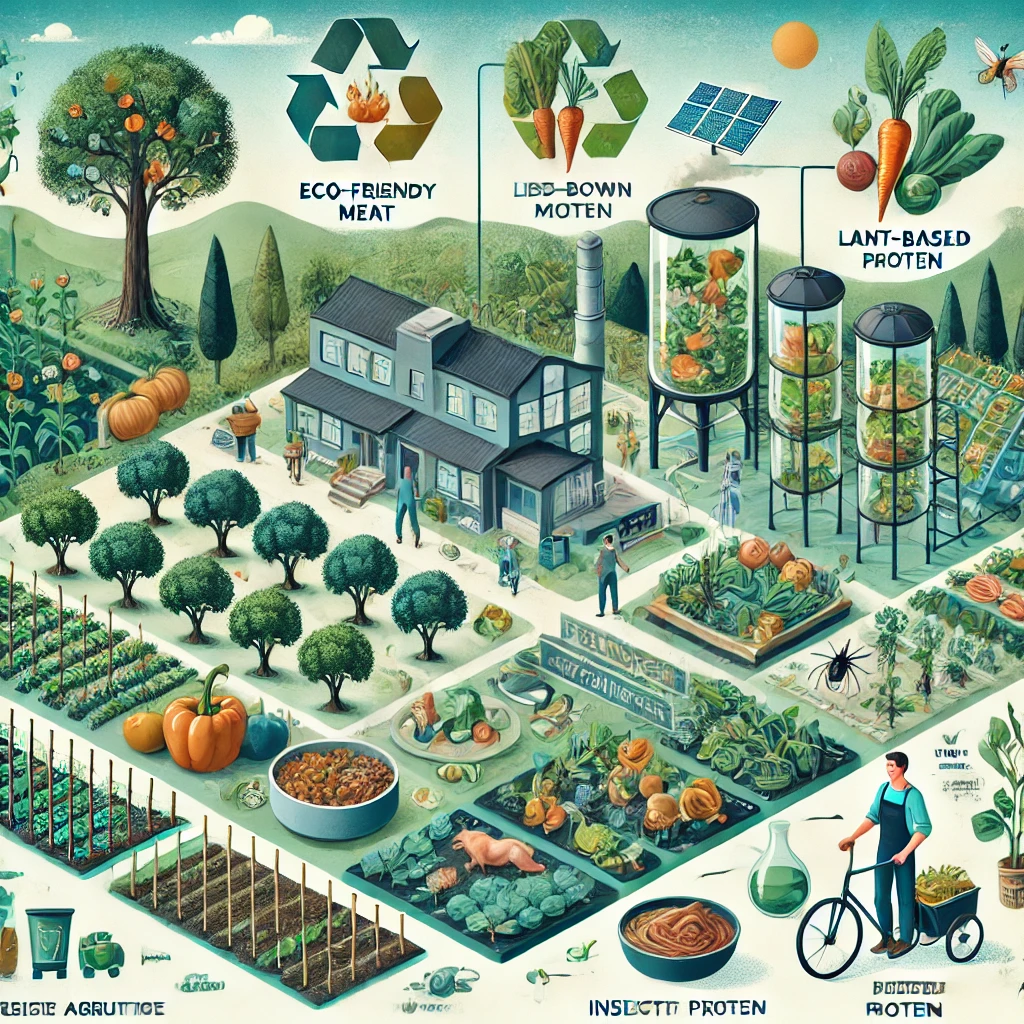
Key strategies for sustainable nutrition include promoting plant-based diets, reducing food waste, improving agricultural efficiency, and supporting eco-friendly food production methods. Innovations such as alternative protein sources (e.g., lab-grown meat, insect-based protein, and plant-based substitutes), precision agriculture, and biofortification contribute to improving the nutritional quality of food while reducing the ecological footprint. Additionally, promoting local and seasonal food consumption helps enhance food system resilience and sustainability.
This research explores various sustainable nutritional solutions, their impact on human health and the environment, and challenges in their implementation. It also examines policy interventions, consumer behavior, and technological innovations that support sustainable food systems. The findings aim to provide insights into how nutrition can be optimized in a way that benefits both people and the planet, fostering a healthier and more sustainable future.
Food Packaging Technology
Description
Food packaging technology plays a crucial role in preserving food quality, extending shelf life, ensuring food safety, and enhancing consumer convenience. Advanced packaging solutions are continuously evolving to address challenges such as food waste, environmental impact, and the increasing demand for sustainable and smart packaging materials.
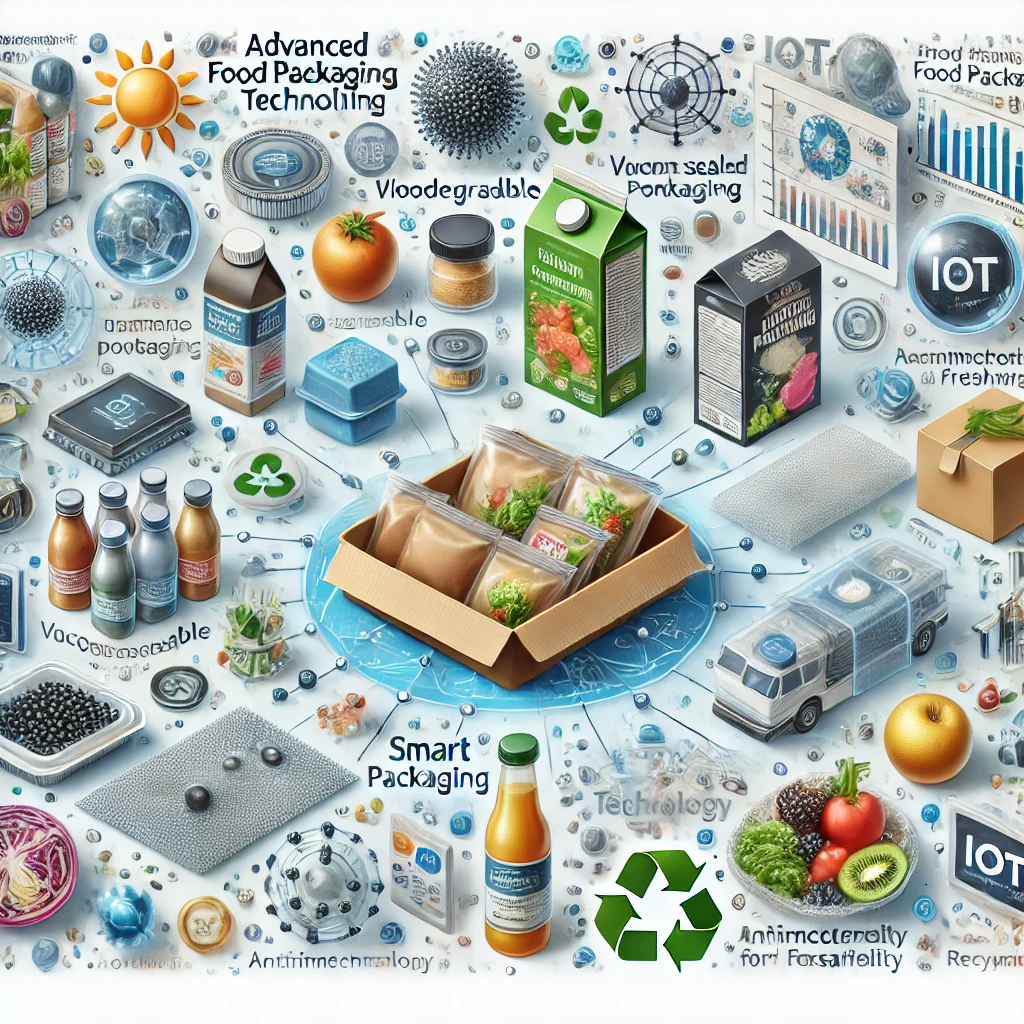
Modern food packaging technologies include active and intelligent packaging, biodegradable materials, nanotechnology-based coatings, and antimicrobial packaging. Active packaging helps maintain freshness by regulating oxygen and moisture levels, while intelligent packaging incorporates sensors and indicators to monitor food conditions. Additionally, sustainable packaging innovations focus on reducing plastic waste by utilizing biodegradable, recyclable, and edible packaging materials.
This research explores the latest developments in food packaging technology, their impact on food safety and sustainability, and challenges related to regulatory compliance and consumer acceptance. It also examines the future potential of smart packaging solutions, including blockchain integration for traceability and IoT-enabled monitoring systems. The findings aim to contribute to the advancement of more efficient, eco-friendly, and innovative packaging solutions for the food industry.

Product Development
Description
Product development is a multidisciplinary process that involves the design, creation, and refinement of new products to meet consumer needs, market trends, and technological advancements. In the food industry, product development focuses on enhancing nutritional value, improving sensory attributes, ensuring safety, and incorporating sustainable and innovative ingredients.
The development process typically includes several key stages: market research, concept generation, prototype formulation, testing and evaluation, and commercialization. Advances in food science and technology, such as plant-based alternatives, functional foods, and clean-label products, are driving innovation in this field. Additionally, consumer preferences for healthier, eco-friendly, and convenient food options influence product formulation and packaging decisions.
This research explores the latest trends, challenges, and opportunities in food product development, examining the role of technology, sustainability, and consumer behavior in shaping the industry. It also evaluates regulatory considerations, sensory analysis techniques, and strategies for successful product launches. The findings aim to contribute to the development of innovative, market-driven food products that align with industry standards and consumer expectations.