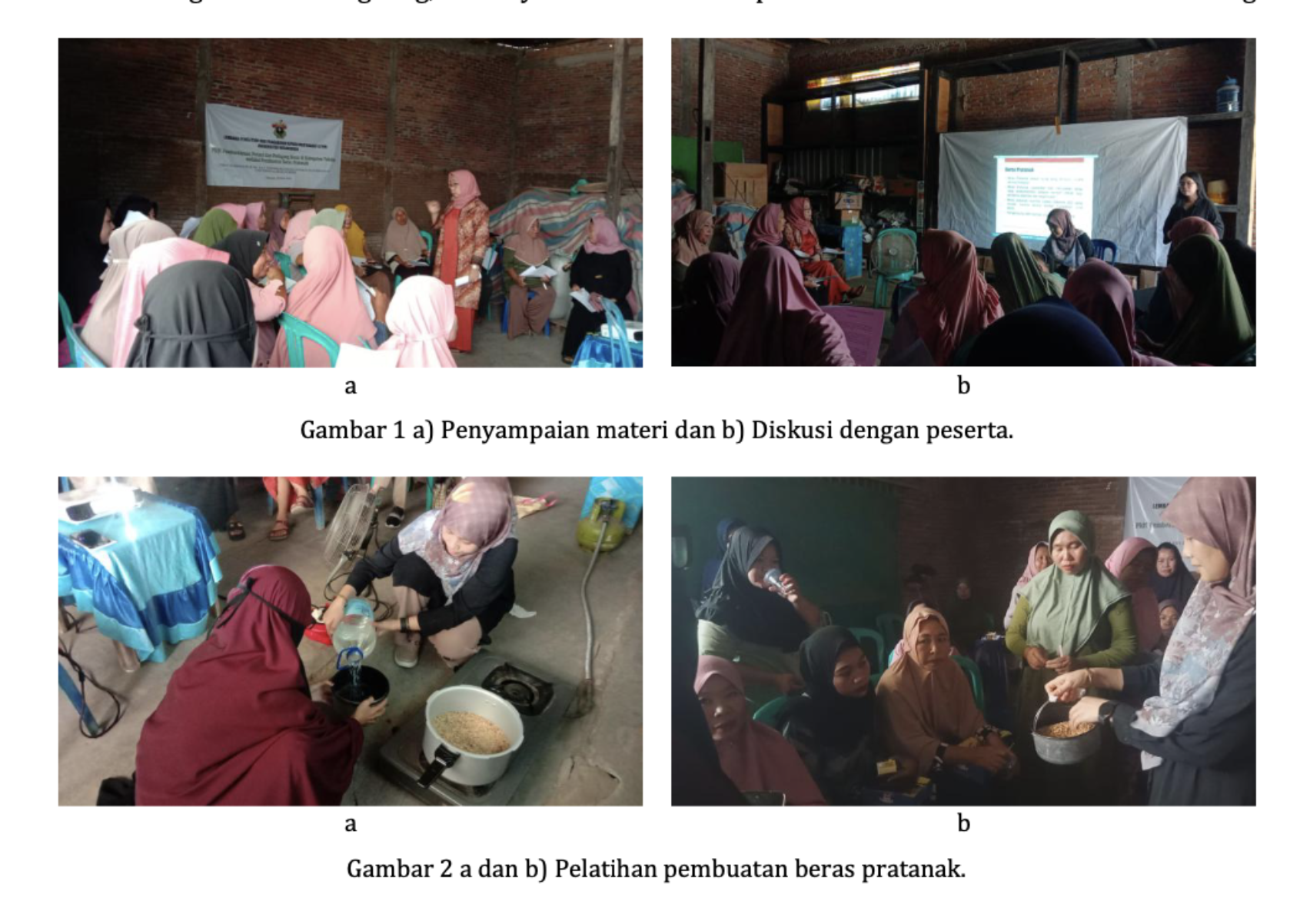

Rice is more than a staple food in Indonesia; it is also a source of livelihood, nutrition, and local economic activity. In Takalar Regency, South Sulawesi, a community empowerment program introduced parboiling technology as a practical way to improve the value of rice while strengthening the knowledge and skills of farmers and rice traders. The activity was titled “Utilization of Parboiling Technology to Empower Farmers and Rice Traders in Takalar Regency, South Sulawesi.” Its main objective was to educate participants about the benefits of parboiled rice and provide hands-on training so they could produce it independently. The program was carried out at UD Mabaji Tani, Kampung Tala, Kelurahan Sombalabella, Kecamatan Pattallassang, Takalar Regency, South Sulawesi.
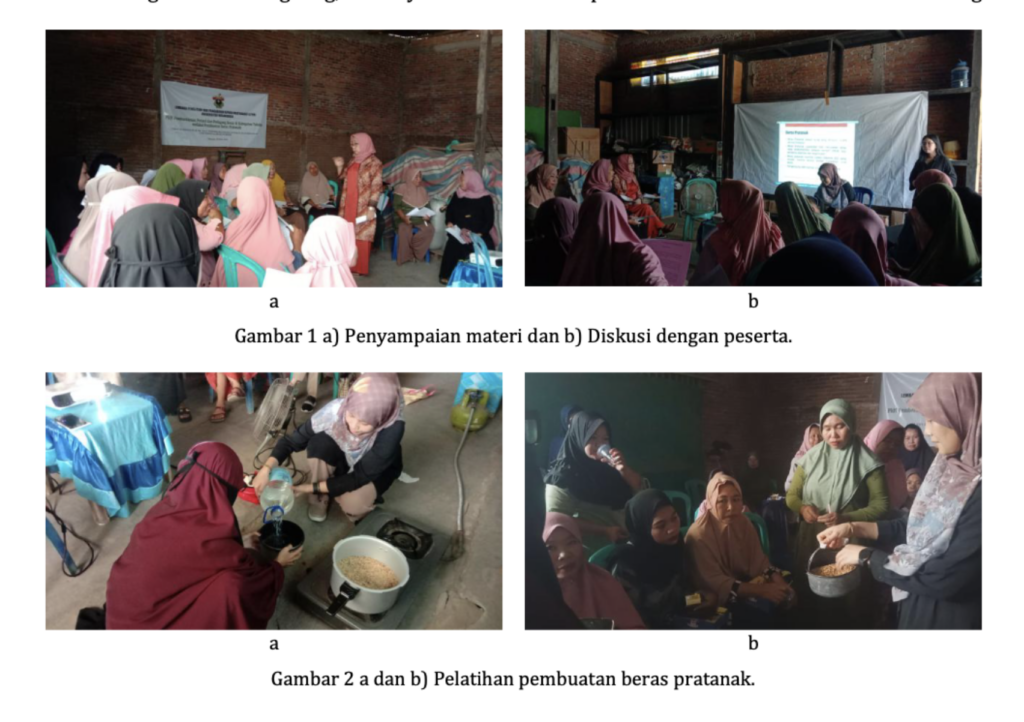
The activity was implemented on 18 May 2025 and involved 40 participants, consisting mainly of women farmers and rice traders from the local community. The program combined an educational session with direct practice. Participants first received information about parboiled rice, its nutritional advantages, and the main production stages. They then practiced the process themselves, beginning with soaking the paddy, followed by steaming, drying, and milling.
Parboiling is a relatively simple post-harvest technology, but its impact can be significant. The process can improve rice quality, increase milling yield, and reduce the glycemic index compared with ordinary milled rice. This makes parboiled rice relevant not only from an economic perspective, but also from a health perspective. The activity therefore supports Sustainable Development Goal 3 (SDG 3): Good Health and Well-Being, because it promotes awareness of healthier rice choices and food-processing practices that may improve nutritional quality.
The training also showed measurable learning outcomes. Before the activity, only 47% of participants knew about parboiled rice. After the educational session, awareness increased to 100%. In terms of practical skills, none of the participants initially knew how to produce parboiled rice, but after the training, 90% were able to carry out the process independently. This result directly supports Sustainable Development Goal 4 (SDG 4): Quality Education, particularly through community-based, practical, and lifelong learning.
From an economic perspective, the activity contributes to Sustainable Development Goal 1 (SDG 1): No Poverty. By equipping farmers and rice traders with value-adding technology, the program creates opportunities to develop products with higher market value, improve productivity, and strengthen household income potential.
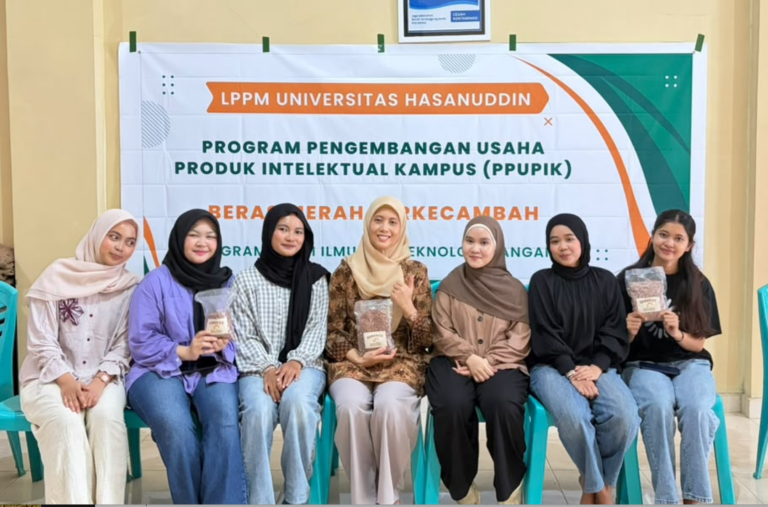
Equally important, the program reflects Sustainable Development Goal 17 (SDG 17): Partnerships for the Goals. The collaboration between Hasanuddin University, UD Mabaji Tani, and the local farming and trading community demonstrates how academic knowledge, local experience, and community participation can be combined to create practical solutions.
Overall, the activity showed that technology transfer becomes more meaningful when people are not only informed, but also trained to apply what they learn. Through parboiling technology, the community gained new knowledge, practical skills, and a stronger foundation for improving both food quality and local economic resilience.