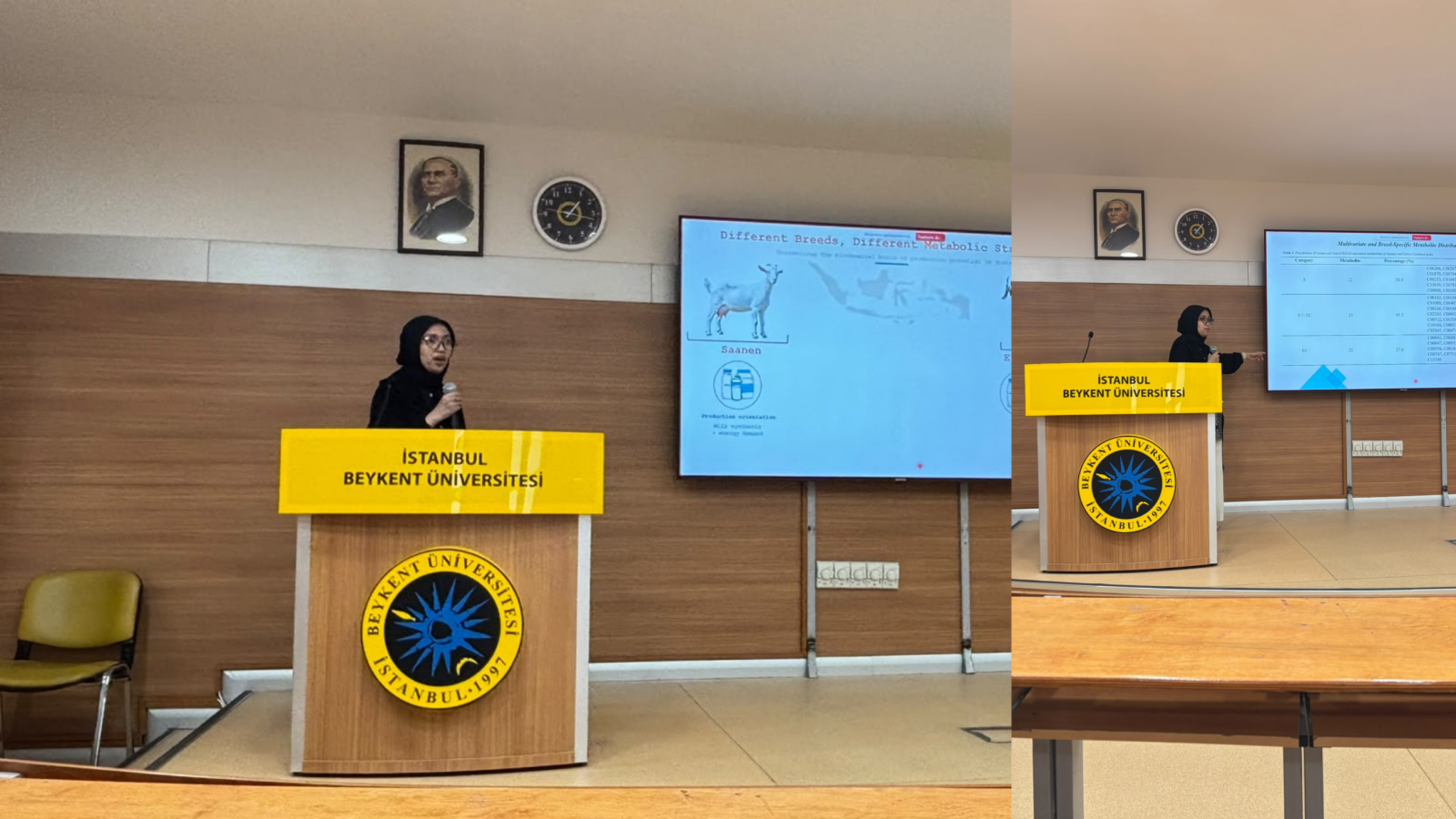

Hasanuddin University (UNHAS) strengthened its international academic engagement through participation in the VIII. International Agricultural, Biological & Life Science Conference (AGBIOL 2026) in Istanbul, Türkiye. Representing the Faculty of Animal Science and the Feed Technology and Industry Research Group (FeedTechRG), Ismah Ulfiah Azis, S.Pt., M.Sc., researcher of FeedTechRG and lecturer at the Faculty of Animal Science, Hasanuddin University, presented a scientific paper at this international conference.
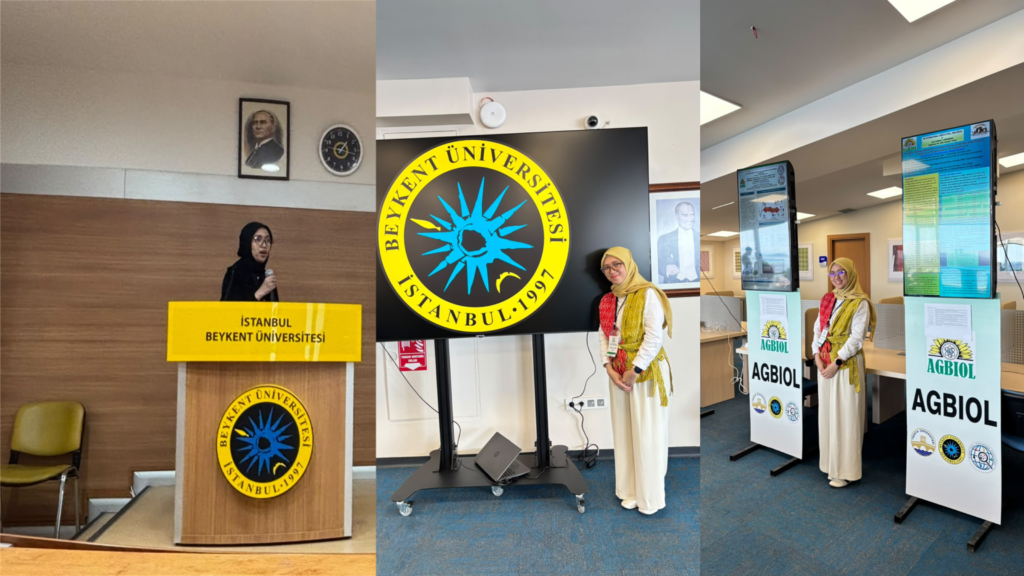
AGBIOL 2026 was held on 6–9 September 2026 at Beykent University Taksim Congress Hall, Istanbul, Türkiye. The international conference brought together researchers, academics, and professionals working across a broad range of agricultural, biological, and life science disciplines. Its scientific scope included agriculture, animal science, biotechnology, food science, environmental science, forestry, soil science, veterinary science, and other related fields. The conference was organized by the International Researchers Association in collaboration with Istanbul Beykent University and Trakya University, providing an international platform for scientific communication and collaboration.
Through her scientific presentation, Ismah Ulfiah Azis contributed to the dissemination of research from Hasanuddin University to an international academic audience. Participation in an international scientific forum provides an important opportunity to communicate research findings, exchange perspectives with researchers from different countries, receive academic feedback, and explore potential opportunities for future research collaboration. Such activities strengthen the visibility of UNHAS research while connecting local research priorities with broader international scientific discussions.
The conference also emphasized environmentally responsible event management. According to the conference information, AGBIOL 2026 was designed as a Green Event, with efforts to minimize the use of paper and plastics. This environmental orientation provides an important context for connecting scientific knowledge with sustainability principles and demonstrates how academic events can promote more environmentally conscious practices.
The activity contributes to SDG 4 (Quality Education) by supporting continuous academic learning, scientific communication, and knowledge exchange among researchers and higher education communities. It also contributes to SDG 1 (No Poverty) by supporting the dissemination of research and innovation relevant to agriculture and livestock development, sectors that can contribute to productive livelihoods and rural economic development. Furthermore, participation in an international scientific forum strengthens SDG 17 (Partnerships for the Goals) by creating opportunities for researchers and institutions to establish academic networks, exchange knowledge, and develop future international collaborations.
For Hasanuddin University, participation in AGBIOL 2026 represents an important step in strengthening the university’s international academic presence. By presenting research in an international forum, UNHAS researchers contribute not only to global scientific dialogue but also to the broader effort to connect research, education, sustainability, and international partnership for societal development.