
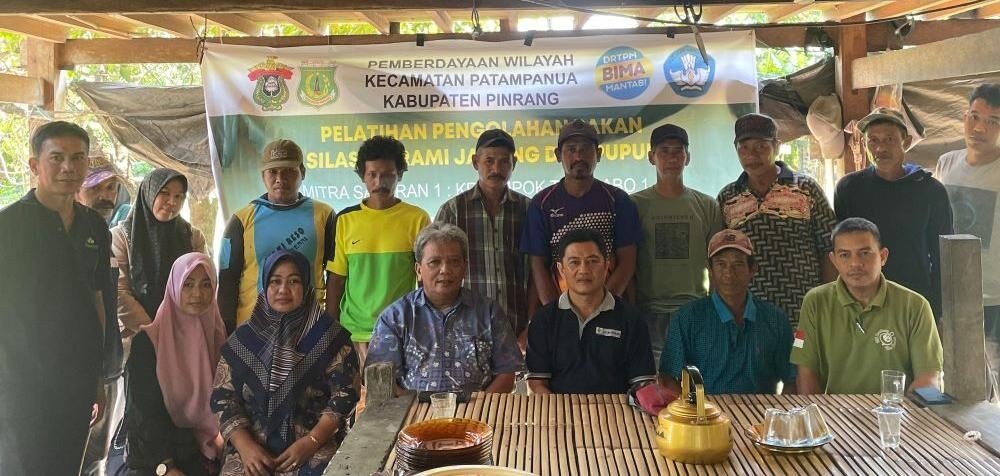
Agricultural residues can become valuable resources when farmers have access to appropriate knowledge and technology. In Patampanua District, Pinrang Regency, Universitas Hasanuddin (UNHAS) introduced silage technology to help livestock farmers utilize abundant corn straw as a feed resource for beef cattle. The initiative addressed a practical challenge faced by farmers while promoting greater use of locally available agricultural resources.
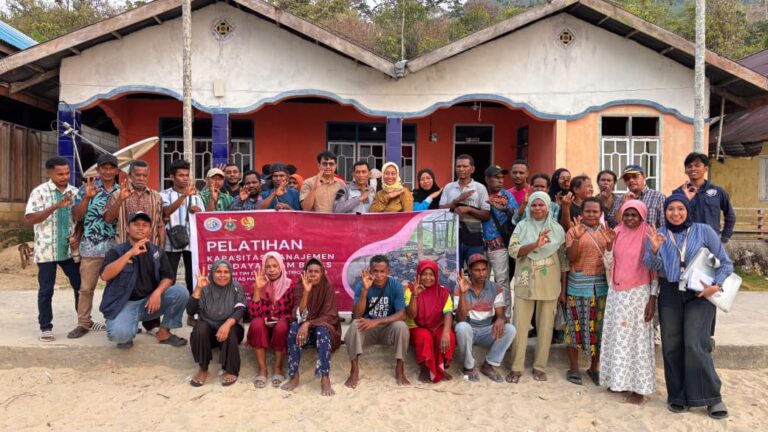
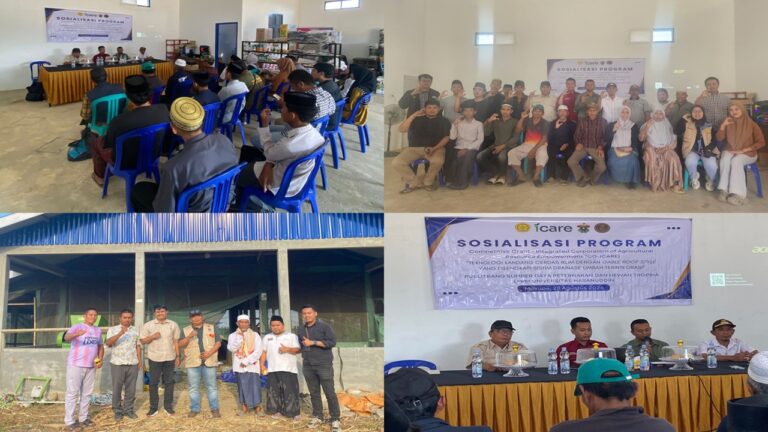
The Activity Title was “Training on Corn Straw Silage Processing for Beef Cattle Feed.” The activity was conducted on 28 September 2024 as part of the Patampanua District Empowerment Program, implemented by the UNHAS team through the Directorate of Research, Technology, and Community Engagement, Directorate General of Higher Education, Research, and Technology, Ministry of Education, Culture, Research, and Technology. The activity targeted the Dabo I Farmer Group and involved 21 livestock farmers.
The Purpose of the Activity was to improve farmers’ knowledge and practical skills in processing corn straw into silage for beef cattle. The training responded to the limited use of corn straw as livestock feed, despite the substantial availability of the material resulting from extensive corn cultivation in Patampanua. By introducing appropriate processing technology, the program aimed to support a more continuous supply of cattle feed and reduce farmers’ dependence on limited conventional feed resources.
The Location of the Activity was Patampanua District, Pinrang Regency, South Sulawesi, with the training conducted together with the Dabo I Farmer Group. The program combined technical knowledge with practical applications. Participants received training on corn straw processing techniques, beef cattle feed management, and feed ration formulation.
The training was opened by Ir. Kahar, S.Pt., M.Si., Head of the Livestock Production Division of the Pinrang Regency Livestock and Plantation Service, who expressed appreciation for the selection of Pinrang as a target area for the community empowerment program. The involvement of the local government demonstrated institutional support for technology dissemination and farmer capacity development.
Prof. Dr. Ir. Jasmal A. Syamsu, M.Si., IPU, ASEAN Eng., Head of the Center for Research and Development of Livestock Resources and Tropical Animals at UNHAS, served as the Head of the Implementation Team. He emphasized that the training was designed to address the challenge of ensuring a continuous supply of feed for beef cattle by improving the utilization of corn straw through appropriate processing technology.
The program represents a practical model of university–community knowledge transfer, connecting research and technology with farmers’ needs. It also demonstrates how agricultural residues can be transformed into productive livestock inputs rather than remaining underutilized.
The initiative contributes to Sustainable Development Goal (SDG) 1: No Poverty by supporting more efficient livestock production and strengthening the economic potential of smallholder farmers. It directly advances SDG 4: Quality Education through technical training, knowledge transfer, and practical skills development. The productive utilization of corn straw contributes to SDG 15: Life on Land by promoting more efficient use of agricultural biomass. Finally, collaboration among UNHAS, the Ministry of Education, Culture, Research, and Technology, the Pinrang Regency Government, field officers, and farmer groups reflects SDG 17: Partnerships for the Goals. Through this initiative, university-based science and technology were brought directly to the farming community, creating a foundation for more efficient feed management and sustainable beef cattle production in Pinrang.