
Currently, a team from the Unhas engineering shipping systems department consisting of 3 lecturers and 7 students is making an environmentally friendly electric ship. This electric boat project will collaborate with several institutions such as the Kalimantan Institute of Technology and West Sulawesi University. Even so, Unhas remains as the main initiator and developer.
The plan, the electric ship will be launched in conjunction with an international seminar held by COT FT-UH in October 2018. The event is supported by the Japan International Cooperation Agency (JICA) C-Best Project and has a license as an official event in welcoming 60 years of Japan-Indonesia relations.
Then, the initial idea of this electric shipbuilding project is to produce a more efficient ship with high performance and can use renewable energy (solar energy). In addition, fuel prices are getting more expensive, so people need to switch to environmentally friendly electrical energy.
“In general, ships are driven by piston-based engines, but for this electric ship it will be driven by electric motors, so it is not by using liquid fueled motors like ships in general,” said Unhas Shipbuilding Engineering Lecturer, Dr. Eng Faisal Mahmuddin, ST, M Inf Tech, M Eng to the identity.
In the early stages of development, the manufacture of this electric ship spent around 150 million.
The shape of the ship itself at launch will use the RV ship type. SBL01 (fishing boat type) with a design using a gasoline motor. In the next stage, it will be upgraded to the EV ship type. SBL02 (passenger ship type) with a design using electric energy drive.
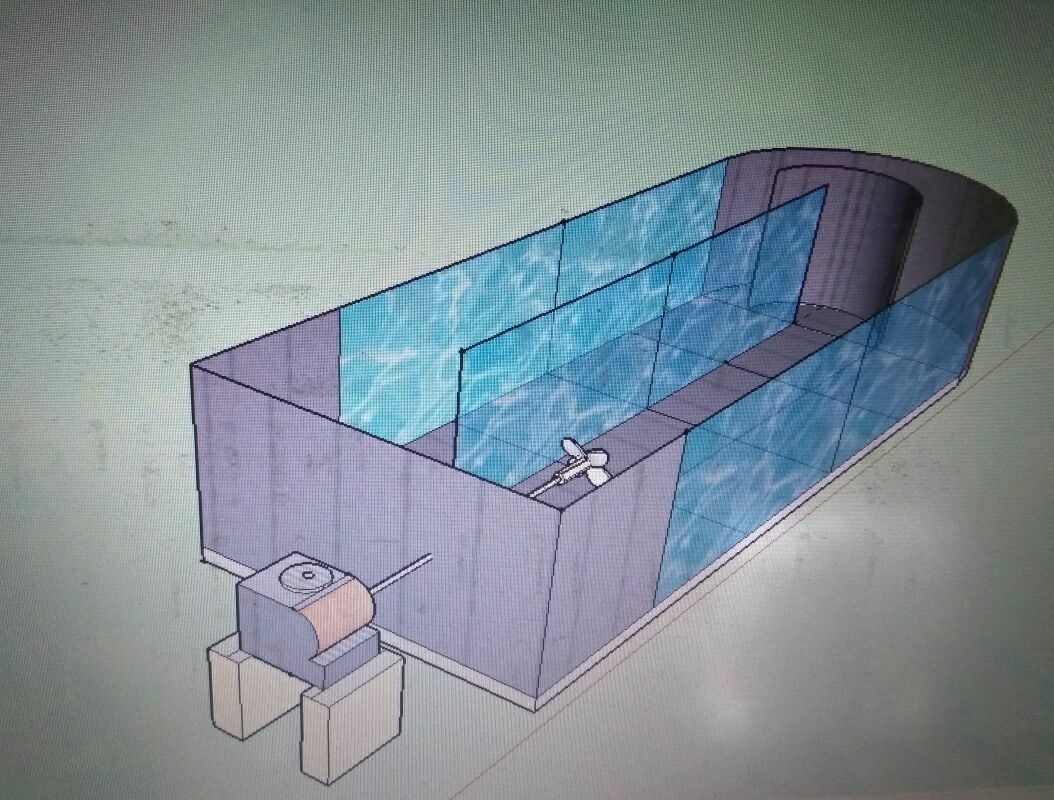
In addition, for the initial stage, this electric boat will use a hybrid system of generators and solar panel technology to convert sunlight energy into electricity (photovoltaic). In the near future, the Unhas shipping system engineering department team will conduct lab testing of this ship tank and field testing will be carried out at Lake Bili-bili, Gowa.
The advantages of this electric ship are more efficient operating costs, can utilize renewable energy, less vibration and low sound machines, and resources with other systems on board.
While the shortcomings of the electric ship are the cooling system cannot use a water cooling system and the motor is prone to damage when water enters so it must have a higher vacuum.
To overcome this weakness, later the Unhas shipping engineering system research team will hold discussions with supervisors who are experts in the field of Solid Mechanics from Hokkaido University, Prof. Yoshihiro Narita, and supervisors who are experts in the field of Propulsion Systems and Hydrodynamics, Prof. Jun Ando from Kyushu University.
Dr. Fasial Mahmuddin hopes that the launch of this electric boat will trigger the production of more electric boats. With the condition that after achieving standard performance, this technology can also be felt by coastal communities. Such as fish fishermen, seaweed farmers, tourist and patrol boats and for crossing between islands.
“In the future, we will switch to electricity-based ships and it will be a demand and even an obligation. For that, Unhas must start developing this technology starting from now on, “he concluded.