

Description
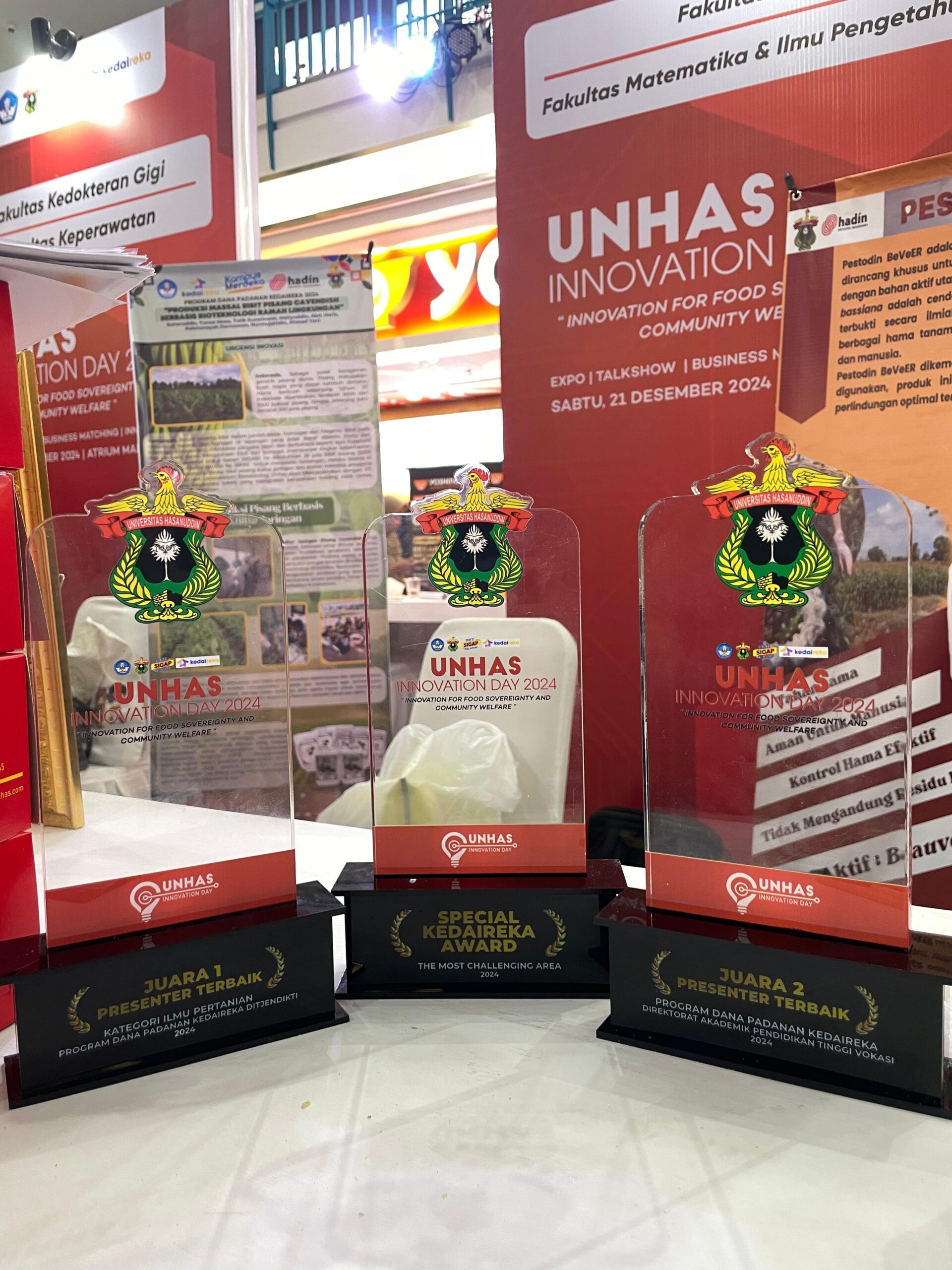
The development of aquatic-based food through technological innovation offers a promising avenue to enhance nutritional quality, particularly for children, while leveraging the abundance of local marine resources. Traditional foods such as otak-otak, a surimi-based delicacy, Kambu Crab, a signature dish of the Pangkep community, and Surabi, a traditional pancake, serve as ideal platforms for integrating nutrient-rich fish into daily diets. By applying modern food processing technologies, these traditional recipes can be transformed to improve their nutritional profiles, incorporating essential proteins, omega-3 fatty acids, and micronutrients vital for child growth and development. Technological advancements in food preservation, texture modification, and flavor enhancement can also address challenges related to shelf life, palatability, and consumer acceptance. This innovative approach not only supports the preservation of cultural heritage but also promotes the sustainable use of underutilized aquatic resources. Furthermore, it empowers local communities by creating value-added products that can improve livelihoods and food security. Through this initiative, the goal is to combine tradition and technology to develop accessible, nutrient-dense foods that address malnutrition and foster healthier futures for children.
Description
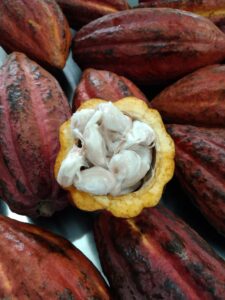
The post-harvest handling of raw cacao materials plays a critical role in determining the quality of chocolate and its derived products. Fermentation, as a key step in post-harvest processing, significantly influences the flavor, aroma, and overall quality of cacao beans. However, in many local cacao-producing regions, traditional methods of fermentation and post-harvest handling often lead to inconsistencies in quality, resulting in suboptimal intermediate and final products. Enhancing these processes through the adoption of improved, locally adaptable technologies can not only elevate the quality of cacao but also increase the economic value of the final products. The aim of this project is to enhance the post-harvest handling of fermented raw cacao materials and optimize processing techniques to produce high-quality intermediate and final chocolate products using locally available technologies. This will involve improving fermentation protocols, drying methods, and storage conditions to ensure consistency and quality. The project also emphasizes knowledge transfer and capacity building to empower stakeholders with the skills needed to maintain and improve cacao quality throughout the value chain.
Description
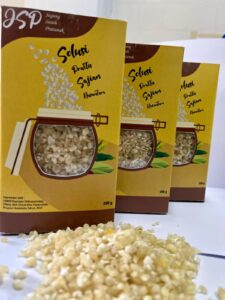
Indonesia is rich in traditional food, which has characteristics known for generations. One type of traditional food that is widely known is Indonesian traditional corn-based food found in several corn-producing areas and is also a staple food for the community. Unfortunately, these traditional foods are almost no longer on people’s daily menus. This is because the processing method is less practical, it takes a long time if processed from dried corn, the taste and appearance are less attractive, and it gives the impression of being “marginal” food. Therefore, it is necessary to innovate to provide a technological touch without changing traditional values. This research aims to raise the image of traditional corn-based food by improving processing technology, formulation, and serving methods.
Description
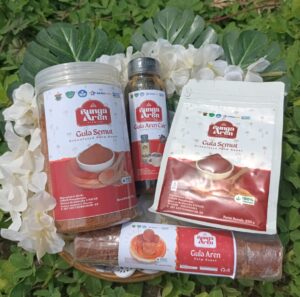
Palm plants contain sap, which can be processed into palm sugar products. The opportunity for sugar palm as a substitute raw material for cane sugar is superior in all aspects, such as production, economics, and farmer welfare. In one hectare of sugar cane, the sugar produced is only 5-7 tons/ha/year, while sugar palm can produce 50-100 tons, which means it has 10 times more capacity than sugar cane. Apart from that, the glycemic index value of palm sugar is much lower, namely 35, so it is good for consumption by diabetes sufferers and is the right choice for people who live healthy lives. Despite this, palm sugar agribusiness still faces various complex problems, one of which is in the post-harvest sector, namely the low quality of the products produced due to the lack of knowledge of palm sap farmers regarding post-harvest handling and the lack of optimal development of palm sugar downstream products. The aim of this project is to produce quality molded sugar, liquid sugar and Community palm sugar through the transfer of post-harvest handling technology and product diversification