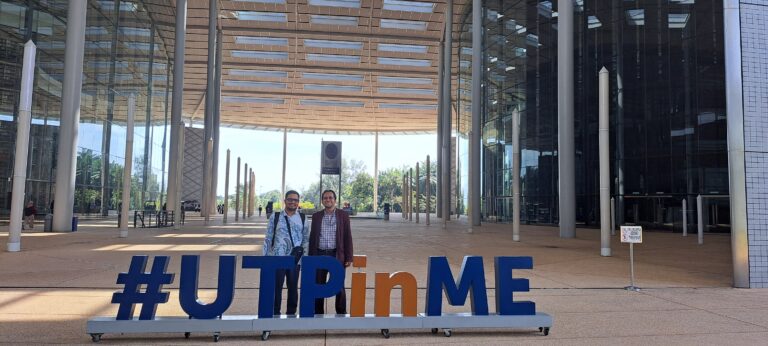

The tranquil coastal landscapes of Serangan, Bali, recently served as the intellectual backdrop for a pivotal gathering of Indonesia’s academic and governmental leaders. Representing the cutting edge of technological research, Dr. Eng. Zulkifli Tahir, the Head of the Thematic Research Group for Distributed Intelligence at Hasanuddin University, attended a landmark event designed to reshape the nation’s scientific and economic landscape. This gathering represented a strategic convergence of minds aimed at securing Indonesia’s long-term prosperity through collective intelligence and institutional transformation.
The title for this prestigious forum was the Tri Hita Karana Future Knowledge: Knowledge Innovation Technology Alliance (KITA) High-Level Dialogue. Executed on the Tanggal dilaksanakan kegiatan of December 13, 2024, the dialogue brought together a high-profile assembly. The featured a distinguished group of high-level leaders from Indonesia’s leading Higher Education Institutions and government ministries, highlighted by the formal signing and induction of 18 new member organizations into the KITA Alliance. This significant event took place at the UID Bali Campus, situated within the Kura Kura Bali Special Economic Zone in Serangan, Denpasar, a location recognized as a global hub for knowledge and cultural exchange. The primary objective was to align Indonesia’s higher education, science, and technology sectors with the national development priorities of the 2024-2029 administration, co-envisioning collaborative pathways to build a resilient and innovative future for both humanity and the climate.
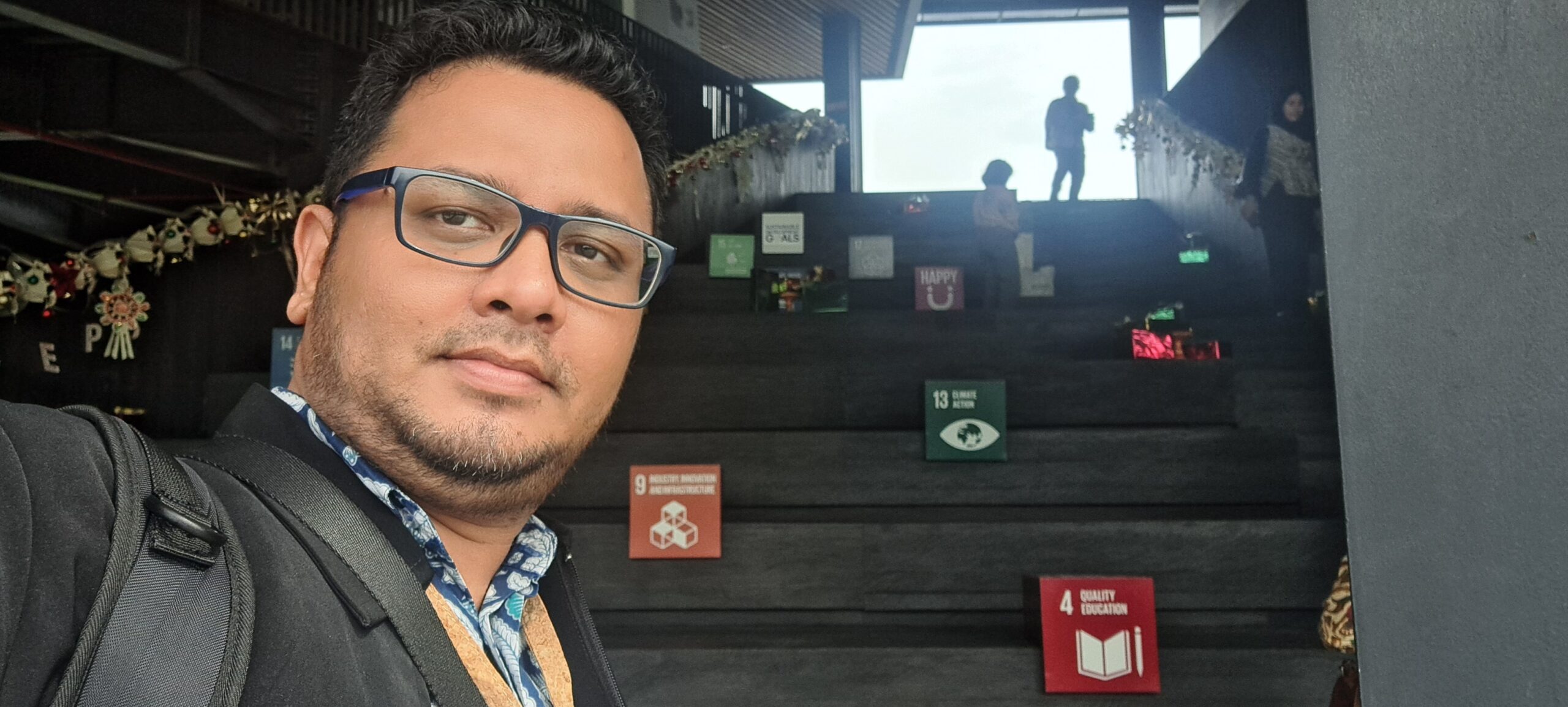
The participation of Hasanuddin University’s Distributed Intelligence experts underscores the vital role that advanced research plays in achieving the United Nations Sustainable Development Goals (SDGs). Central to the forum’s mission was SDG 17 (Partnerships for the Goals), which was explicitly demonstrated through the signing of a Memorandum of Understanding between the KITA Alliance and multiple government ministries to foster trisector collaboration. By integrating the principles of distributed intelligence into the broader academic framework, universities can more effectively address SDG 4 (Quality Education). This is achieved by adopting proven methodologies like the CDIO (Conceive, Design, Implement, Operate) framework, which transforms universities into powerful engines of development that prepare students for a rapidly evolving technological landscape. Furthermore, these academic advancements are inextricably linked to SDG 1 (No Poverty), as the primary goal of this transformation is to drive economic growth and industrial downstreaming, which are essential for poverty eradication and achieving the “Golden Indonesia 2045” vision.
During the “Knowledge Café” sessions, attendees explored how digitalization and AI upskilling can serve as catalysts for human capital development. The dialogue emphasized that realizing a secure middle-class population requires universities to re-envision knowledge exchange as an intrinsic part of their core mission. As the KITA Alliance expands, the contribution of researchers like Dr. Zulkifli Tahir ensures that technological innovation remains at the heart of Indonesia’s national priority agenda, bridging the critical gap between academic discovery and real-world economic impact.