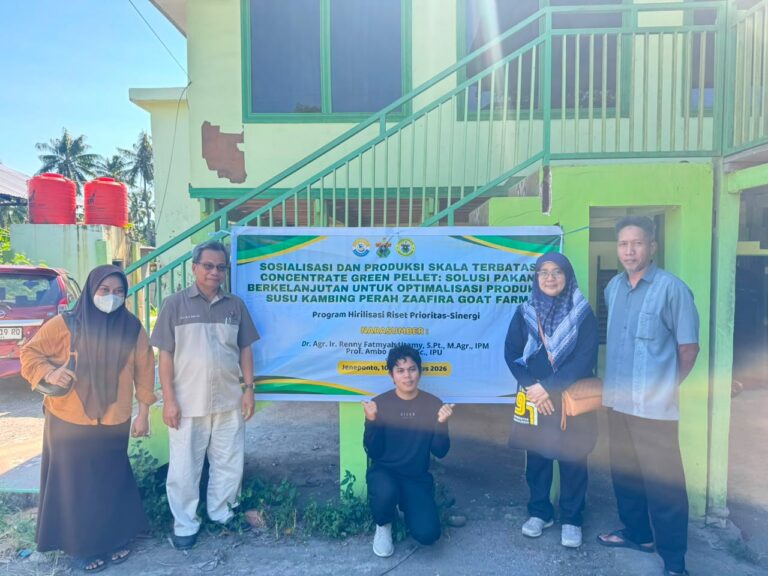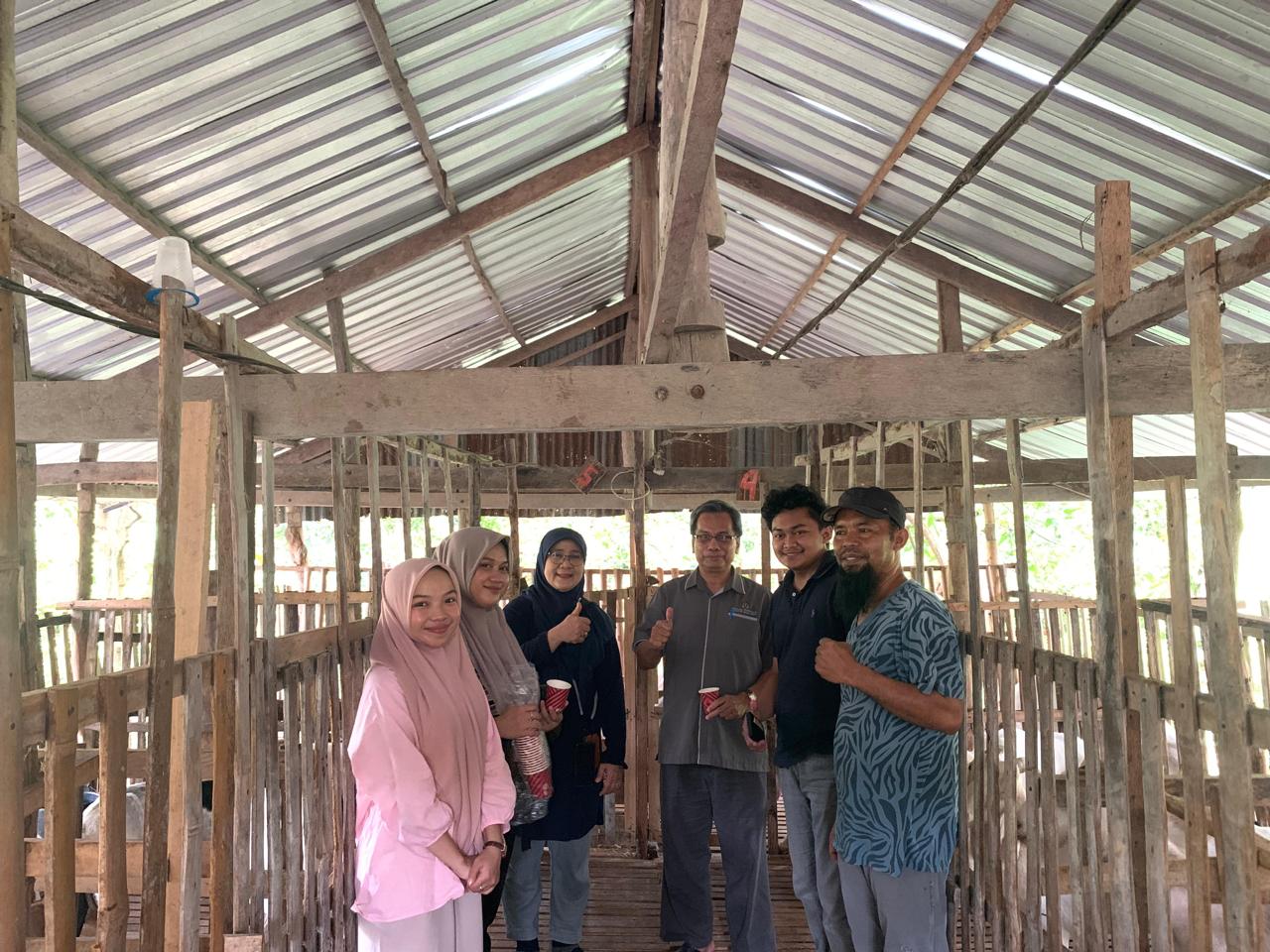

On June 17, 2026, a significant knowledge-sharing activity took place at Desa Kalimporo, Kabupaten Jeneponto, Sulawesi Selatan, under the title “Information Session on the Importance of Feed Management and the Health of Dairy Goats at Kalimporo Goat Farm.” This initiative was designed to strengthen the capacity of local farmers by emphasizing the importance of feed management and health care in dairy goat production. The event was attended by 8 participants, including distinguished experts such as Dr. Agr. Ir. Renny Fatmyah Utamy, S. Pt., M. Agr., IPM, Chair of the Dairy Goat Research Group, and Prof. Dr. Ir. Ambo Ako, M.Sc., IPU, a senior member of the research group, alongside students and local farmers.
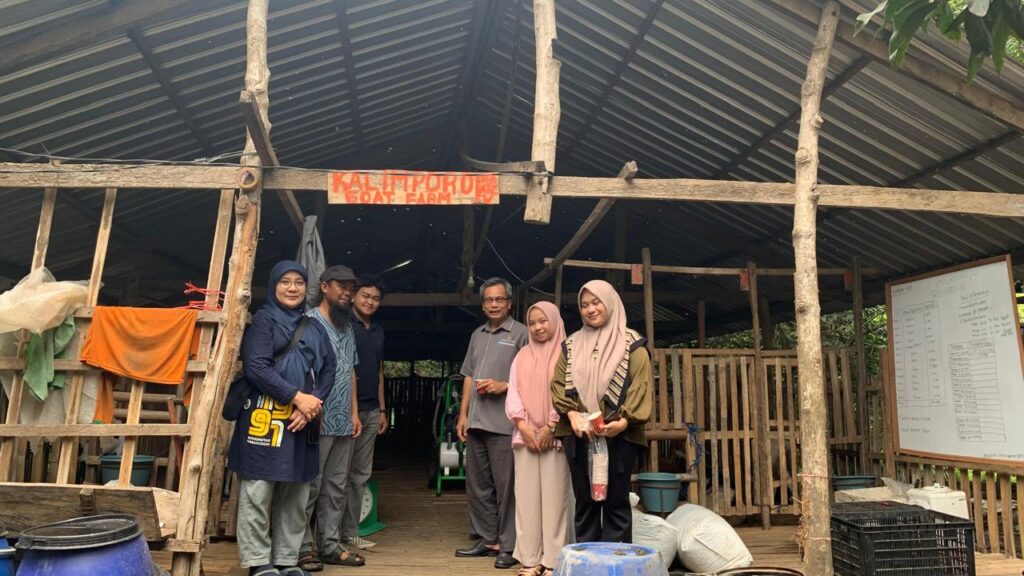
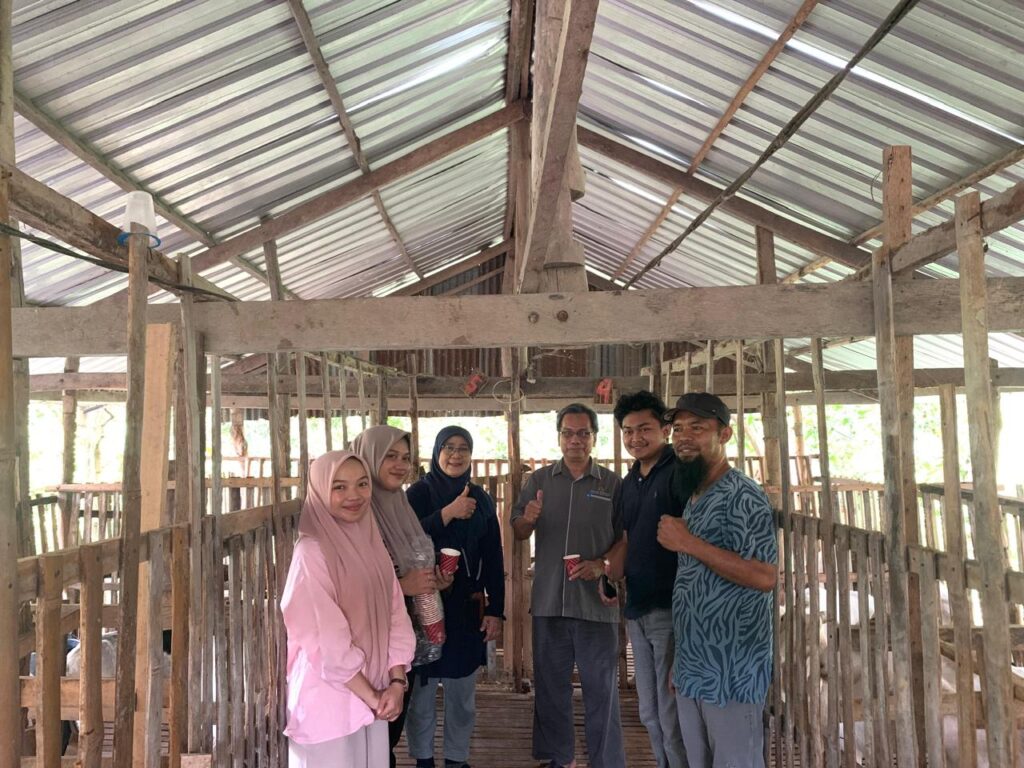
The primary objective of this activity was to provide practical and scientific insights into how proper feed management and preventive health care can optimize milk yield and improve the overall sustainability of goat farming. By integrating scientific knowledge with local practices, the program sought to empower farmers to adopt more efficient and sustainable methods. This aligns directly with SDG 1 (No Poverty), as improved productivity can enhance farmers’ income and economic resilience. Furthermore, the educational aspect of the program reflects SDG 4 (Quality Education), ensuring that farmers and students alike gain access to relevant, applicable knowledge. Finally, the collaborative nature of the event, bringing together experts, students, and farmers, embodies SDG 17 (Partnerships for the Goals), highlighting the importance of multi-stakeholder cooperation in achieving sustainable development.
The discussions during the session emphasized that feed management is not merely about quantity but also quality. Balanced nutrition ensures that dairy goats remain healthy, productive, and capable of sustaining long-term milk production. Preventive health care, including regular monitoring and early detection of diseases, was also underscored as a critical factor in reducing losses and maintaining herd vitality. These practices are essential in transforming small-scale goat farming into a more reliable source of livelihood, particularly in rural communities where agriculture remains the backbone of economic activity.
The presence of experts added depth to the dialogue, bridging the gap between academic research and field application. Dr. Renny Fatmyah Utamy highlighted the importance of integrating modern feed formulation techniques with traditional knowledge, while Prof. Ambo Ako stressed the role of continuous farmer education in sustaining productivity. Students contributed by sharing innovative ideas and assisting farmers in understanding technical concepts, thereby reinforcing the intergenerational transfer of knowledge.
Beyond technical discussions, the event fostered a spirit of collaboration and mutual learning. Farmers expressed their challenges, such as limited access to high-quality feed and veterinary services, while experts provided practical solutions tailored to local conditions. This participatory approach ensured that the knowledge shared was not only theoretical but also directly applicable to the realities faced by the community.
In conclusion, the Information Session on the Importance of Feed Management and the Health of Dairy Goats at Kalimporo Goat Farm was more than just a training session—it was a step toward building resilient farming communities. By addressing poverty through improved productivity (SDG 1), enhancing education through knowledge dissemination (SDG 4), and strengthening partnerships among stakeholders (SDG 17), the activity demonstrated how localized initiatives can contribute to global sustainable development goals. The event stands as a model for how science, education, and community engagement can converge to create lasting impact in rural agricultural settings.