
Makassar, Indonesia Apr 16 2026/DRG/-Goats are more than livestock in Indonesia—they are part of culture, economy, and food security. For rural communities, goats provide meat, milk, and income. But behind their productivity lies something invisible yet powerful: genetics. Understanding the genetic makeup of local goat populations can help farmers and scientists improve breeding, strengthen resilience, and secure livelihoods.
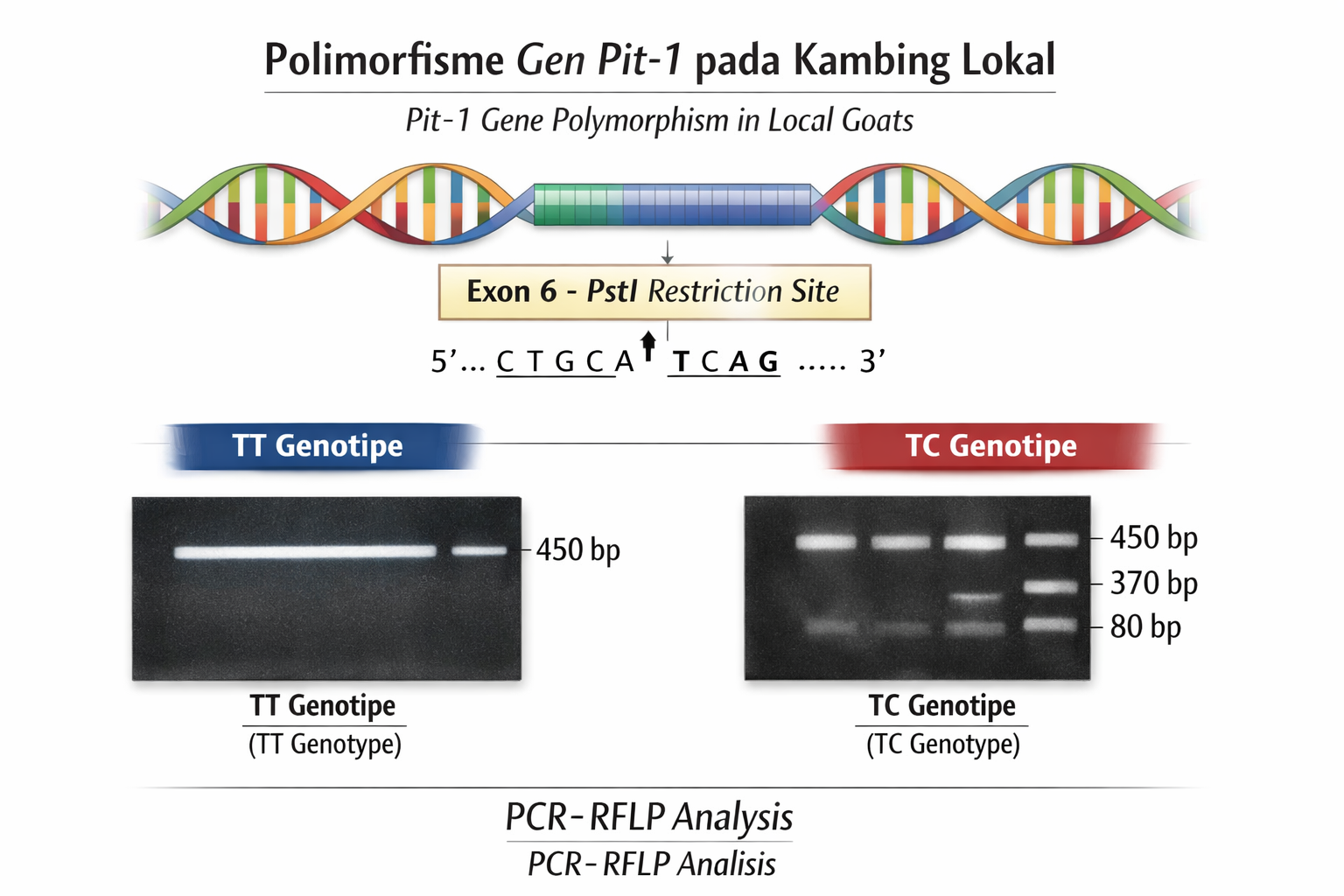
A study titled “Genetic Polymorphisms of Pituitary-Specific Transcription Factor-1 (Pit-1) Gene from Indonesian Local Goat Population Reared in South Sulawesi Province”, published in Advances in Environmental Biology by AENSI Publications in 12 June 2016, explored variations in the Pit-1 gene among goats in South Sulawesi. The Pit-1 gene plays a critical role in growth and milk production. By identifying genetic polymorphisms, researchers can better understand how local goats adapt to their environment and how their productivity can be enhanced.
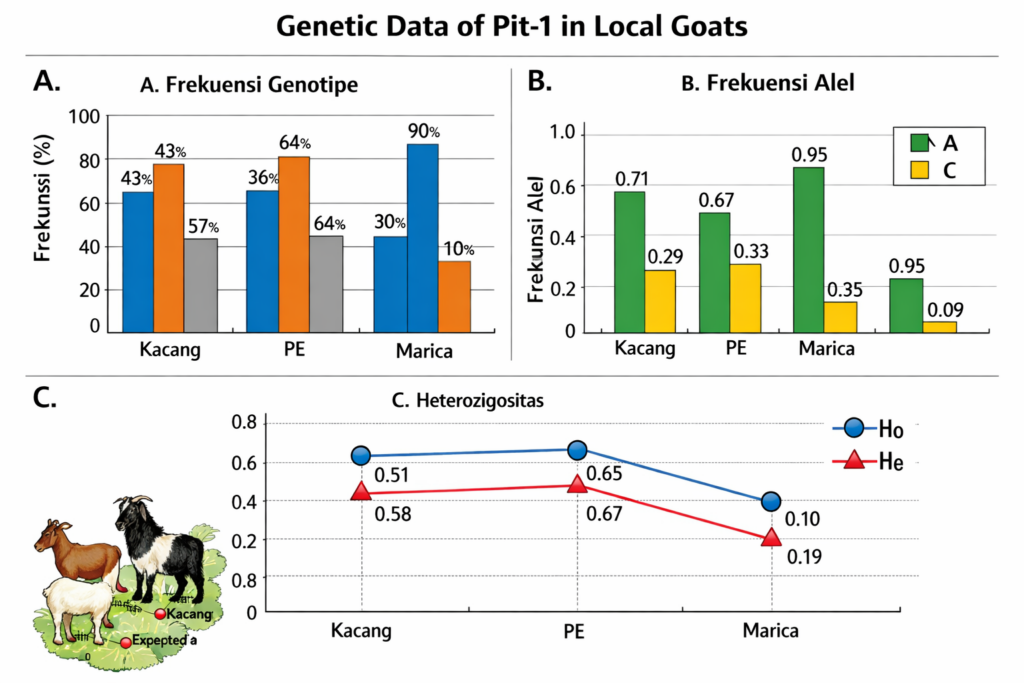
Why does this matter? Because genetic diversity is the foundation of sustainable livestock systems. Local goats are uniquely adapted to Indonesia’s climate and feed resources. Preserving and studying their genetic traits ensures that farmers can continue to rely on animals that thrive in local conditions. This innovation connects directly to the United Nations Sustainable Development Goal (SDG) 15: Life on Land. Protecting biodiversity is not only about forests and wildlife—it is also about safeguarding the genetic resources of farm animals that sustain human communities.
The implications extend further. Stronger goat populations support SDG 1: No Poverty, since improved breeding increases productivity and income for rural households. Better milk and meat quality contribute to SDG 3: Good Health and Well-being, providing essential nutrients for families. And by integrating genetic research into education and training, universities and communities advance SDG 4: Quality Education, ensuring that knowledge is shared and applied for future generations.
For the general public, the takeaway is simple: science is not only about laboratories—it is about everyday animals that shape lives. By studying the Pit-1 gene, researchers are helping farmers unlock the full potential of local goats, ensuring that these animals remain productive, resilient, and valuable for years to come.
This research reminds us that sustainability begins with diversity. Protecting the genetic richness of local livestock is a step toward stronger communities, healthier diets, and a more resilient environment.
Refference
Contact:
Renny Fatmyah Utamy
+62 812 4258 3456
rennyfatmyahutamy@unhas.ac.id