
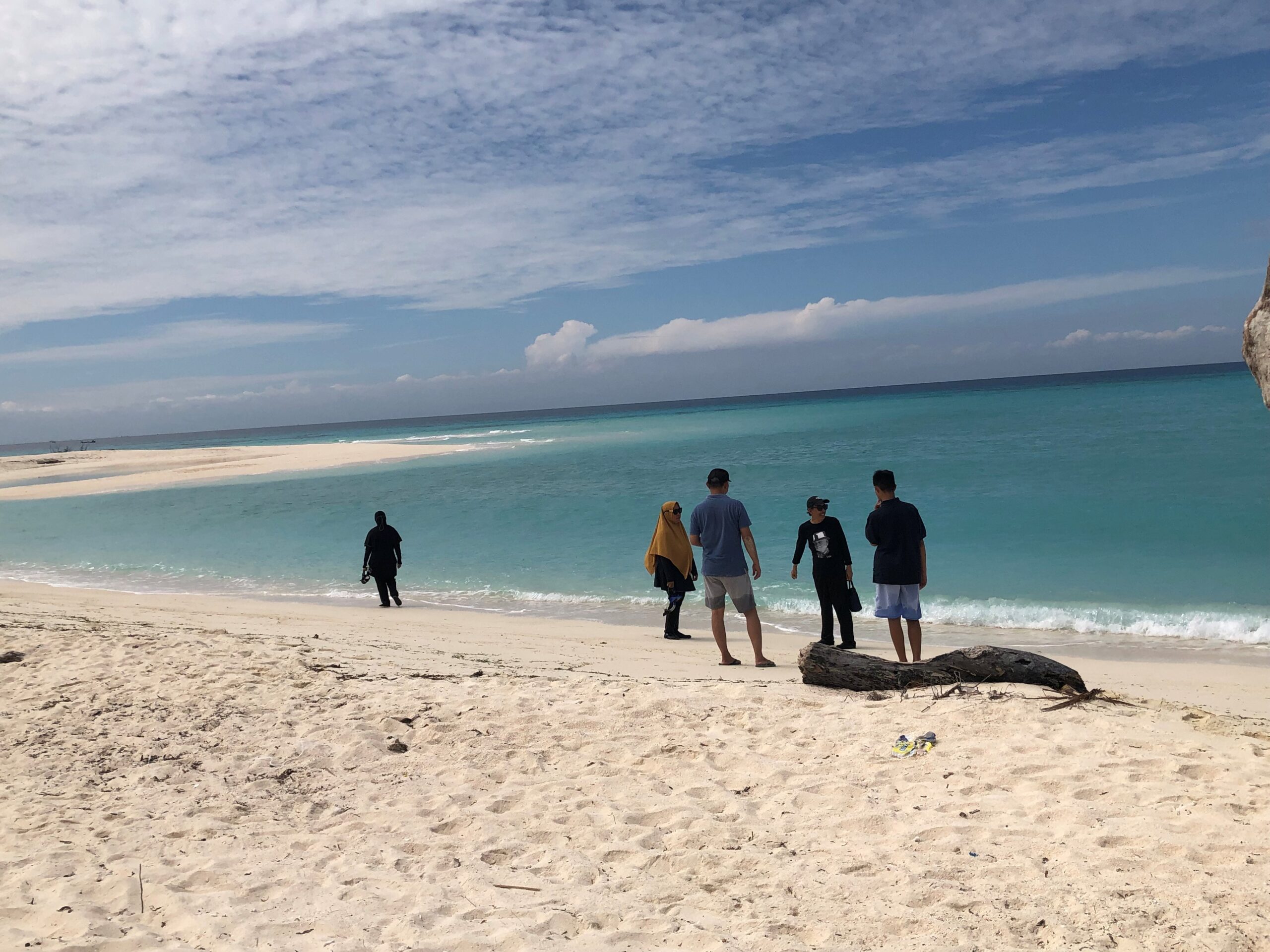

MAKASSAR, Indonesia July 14 2026 /CTRG/ – When people dream of a tropical vacation, they usually imagine turquoise waters, colorful coral reefs, and peaceful beaches. Yet behind every successful tourist destination lies something just as important as natural beauty—security. Tourists are more likely to visit and return to places where they feel safe, while local communities benefit when tourism grows in a sustainable and responsible way.
This article is adapted from the research publication “Handling Security and Terrorism Issues in Developing the Tourism Sector through Ecotourism Policies on Small Islands in Makassar City, Indonesia,” published in the Journal of Infrastructure Policy and Development by EnPress on 18 November 2024. The study explores how security, environmental conservation, and ecotourism policies can work together to strengthen tourism development across Makassar’s small islands while protecting local communities and marine ecosystems.
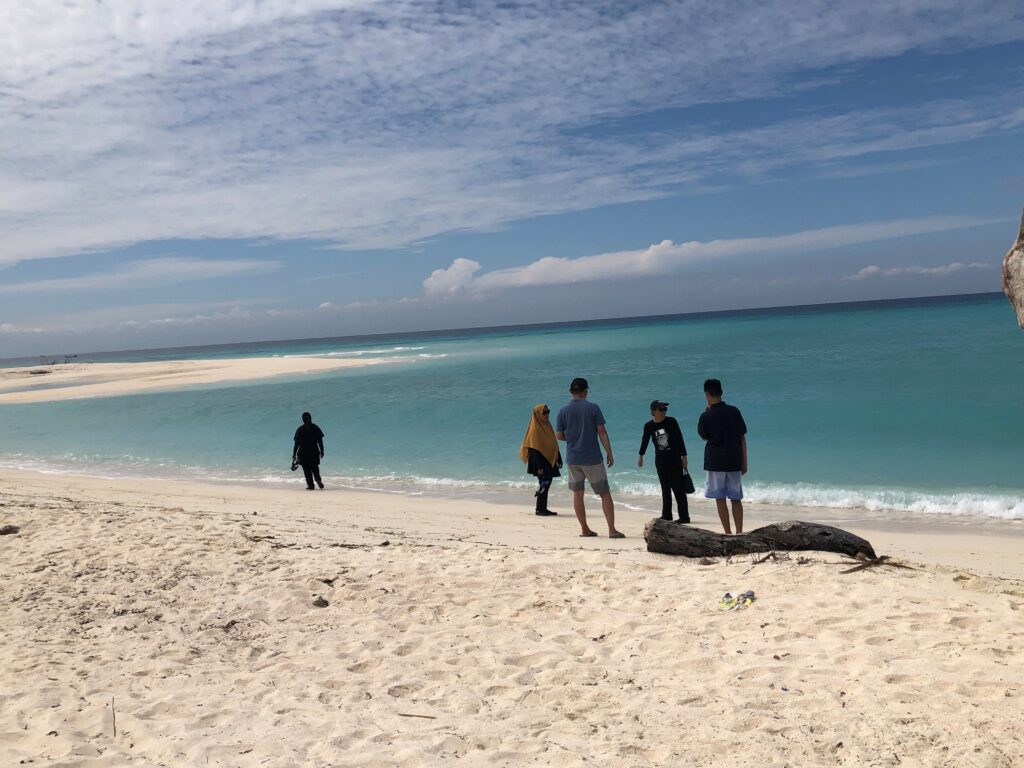
Indonesia possesses one of the world’s richest marine environments, with vast coral reefs, extraordinary biodiversity, and thousands of islands that attract millions of visitors every year. These natural assets make marine tourism a major contributor to the national economy and create employment opportunities for coastal communities. However, the research argues that tourism development cannot rely on beautiful landscapes alone. Long-term success depends on maintaining safety, protecting the environment, and involving local communities in sustainable tourism management.
The study identifies several challenges facing small islands around Makassar, including limited infrastructure, environmental degradation, illegal wildlife trade, and broader maritime security concerns. While interviews with domestic and international tourists indicate that they generally feel safe when visiting islands such as Samalona, Langkai, and Lanjukang, concerns about regional security and terrorism remain important considerations for future tourism planning. The authors emphasize that preventive policies are more effective than waiting until problems emerge.
Ecotourism offers a practical solution. Unlike conventional tourism, ecotourism encourages visitors to enjoy nature while helping conserve it. Healthy coral reefs, clean beaches, protected marine biodiversity, and responsible waste management are not only environmental priorities—they also improve visitor satisfaction and strengthen the competitiveness of tourism destinations. The research further highlights that local communities should not merely benefit from tourism but should actively participate in conservation, cultural preservation, and community-based tourism initiatives.
This approach strongly supports Sustainable Development Goal (SDG) 14: Life Below Water, which calls for the conservation and sustainable use of oceans, seas, and marine resources. Protecting coral reefs, preventing illegal exploitation of marine biodiversity, reducing environmental damage, and promoting sustainable tourism are all essential steps toward achieving SDG 14. At the same time, these efforts strengthen local economies by ensuring that marine tourism remains attractive for generations to come.
The experience of Makassar’s small islands reminds us that tourism is no longer measured solely by visitor numbers. Modern travelers seek destinations that are safe, environmentally responsible, and well-managed. By integrating security policies, ecotourism principles, and community participation, Indonesia can transform its small islands into models of sustainable tourism.
Ultimately, the future of island tourism depends on balancing three equally important goals: protecting people, preserving nature, and creating opportunities for local communities. When these priorities move forward together, tourism becomes more than an industry—it becomes a pathway toward sustainable development and lasting prosperity.
Reference:
DOI https://doi.org/10.24294/jipd8234
Contact:
Prof. Seniwati, S.Sos., M.Hum., Ph.D
+62 823-4526-9476
Seniwati@unhas.ac.id


