
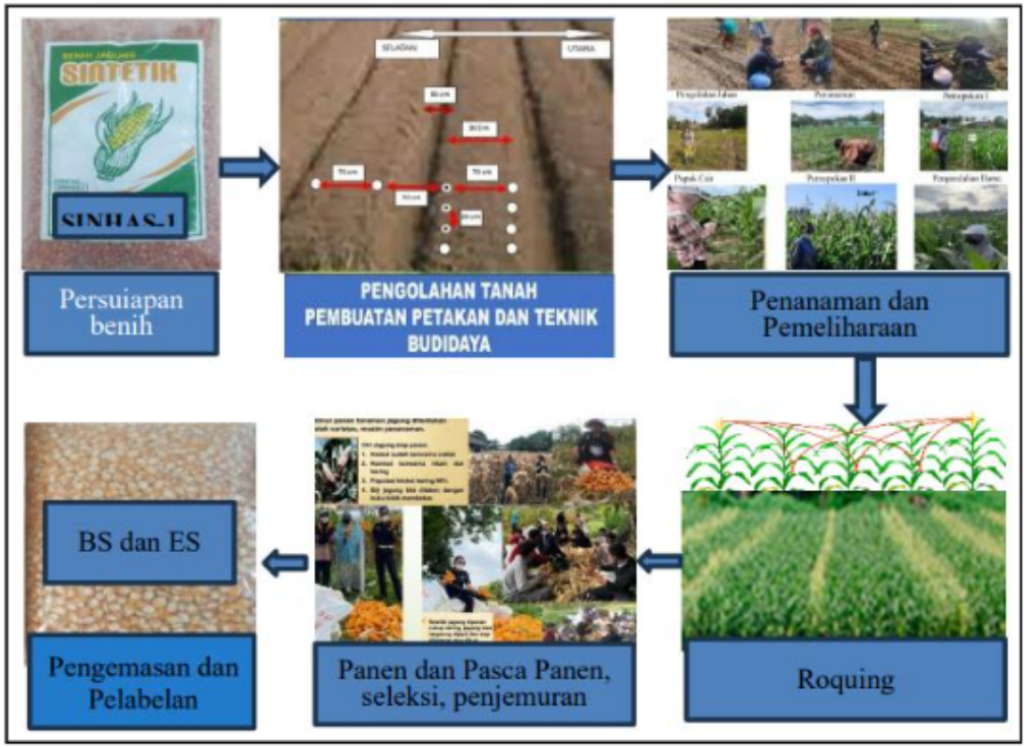
Makassar, Indoensia 1 Agustus 2026 /CSPA-RG/- In the rain-shadowed expanses of South Sulawesi, where erratic rainfall and nutrient-poor soils define the agricultural rhythm, a quiet revolution is taking root. Dryland farmers have long struggled with low productivity, food insecurity, and limited access to quality seeds. Now, a targeted initiative—centered on the production of Sinhas-1 maize seeds—is offering a scientifically grounded, community-driven pathway out of poverty and environmental degradation.
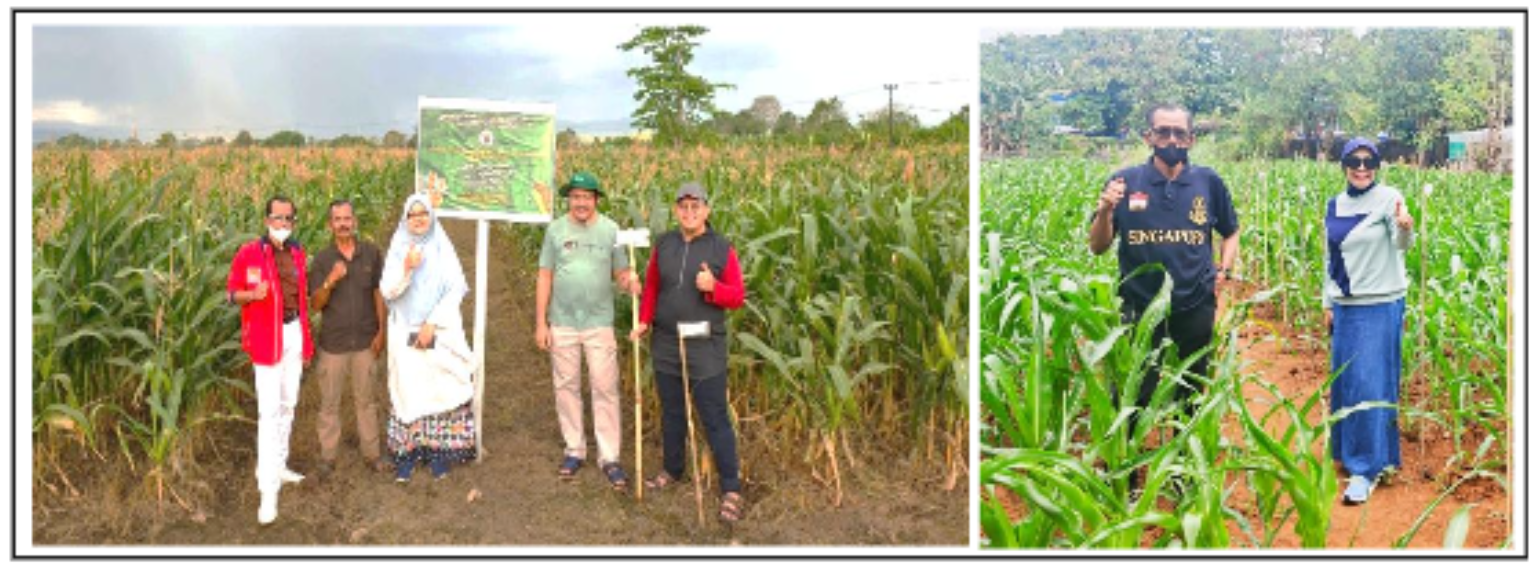
The project, Produksi Benih Jagung Sinhas-1 untuk Pengembangan Jagung Lahan Kering, aims to scale up a drought-tolerant maize variety bred specifically for rainfed, marginal environments. The seed multiplication is carried out across two strategic locations: the production fields in Bajeng District, Pembaruan Regency, Gowa, and the experimental farm (Exfarm) of the Faculty of Agriculture, Hasanuddin University (UNHAS). Running from May to October 2025, the activity engages a core group of 50 participants, including smallholder farmers, agricultural extension workers, and university students, who together form a living laboratory of knowledge exchange and innovation.
From the outset, the initiative was designed as more than a seed production campaign—it is a vehicle for advancing multiple Sustainable Development Goals in a deeply interconnected manner. At its heart lies a commitment to SDG 1: No Poverty. By equipping farmers with high-yielding, climate-resilient Sinhas-1 seeds, the project directly boosts household income and stabilizes food supply in communities where a single failed harvest can tip families into deprivation. When a farmer who once harvested less than two tons per hectare suddenly achieves four or five, the extra yield translates into school fees, improved nutrition, and savings—breaking the intergenerational cycle of rural poverty.
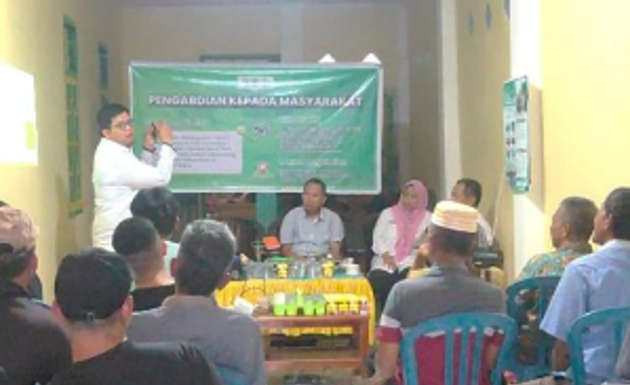
Crucially, the activity is structured as a participatory learning process, making SDG 4: Quality Education a visible pillar. Throughout the six-month season, participants are not passive recipients but co-creators of knowledge. They receive hands-on training in seed selection, isolation distance management, roguing, and post-harvest handling—skills that elevate them from subsistence growers to skilled seed producers. University students working alongside experienced farmers in the Exfarm gain practical insights no classroom can replicate, while farmers become literate in the genetic principles that protect seed purity. This blending of informal and formal education builds lasting human capital.
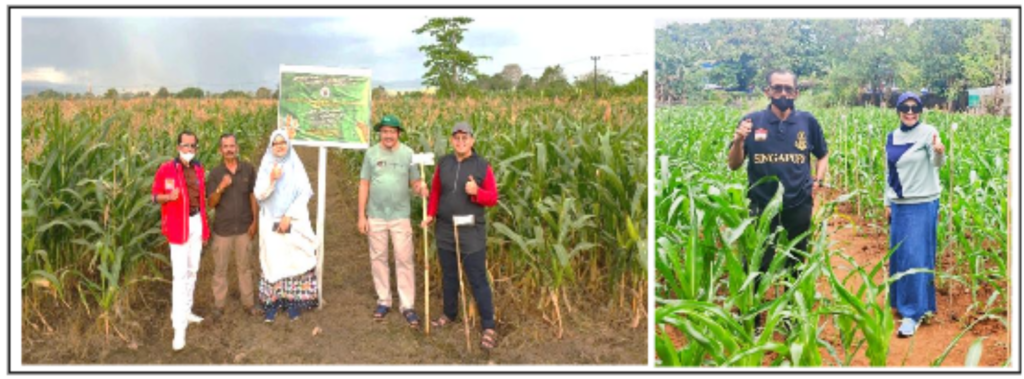
No less important is the environmental dimension. Dryland ecosystems are fragile, and unsustainable farming accelerates land degradation. The Sinhas-1 variety, with its deep root system and efficient water use, allows productive cultivation without expanding into forest margins or depleting scarce groundwater. By promoting a crop that thrives in low-input conditions, the project actively supports SDG 15: Life on Land, fostering agricultural practices that protect soil structure, maintain biodiversity, and enhance the resilience of terrestrial ecosystems. Every hectare planted with Sinhas-1 is a hectare where the land works with nature rather than against it.
Yet none of these outcomes would be possible without the collaborative framework that defines the entire endeavor, directly embodying SDG 17: Partnerships for the Goals. The synergy between UNHAS’s plant breeders, local government agencies in Gowa, farmer groups in Bajeng District, and national agricultural research bodies demonstrates how multi-stakeholder partnerships can translate laboratory innovation into tangible field results. The Exfarm serves as both a breeding hub and a demonstration site, while the Bajeng production fields function as real-world validation plots. This network ensures that the seeds produced are not only genetically pure but also socially embedded—accepted, trusted, and quickly adopted. As the October 2025 harvest approaches, the 50 participants will carry forward more than bags of certified seed. They will carry the confidence to manage their own seed systems, the knowledge to mentor neighbors, and the economic momentum to lift entire communities. The initiative shows that even in the driest landscapes, when science, education, and partnership converge, life—both human and ecological—can flourish. The Sinhas-1 story is still being written, but its early chapters already speak of hope, rooted in the soil and reaching toward a sustainable future for all.
-
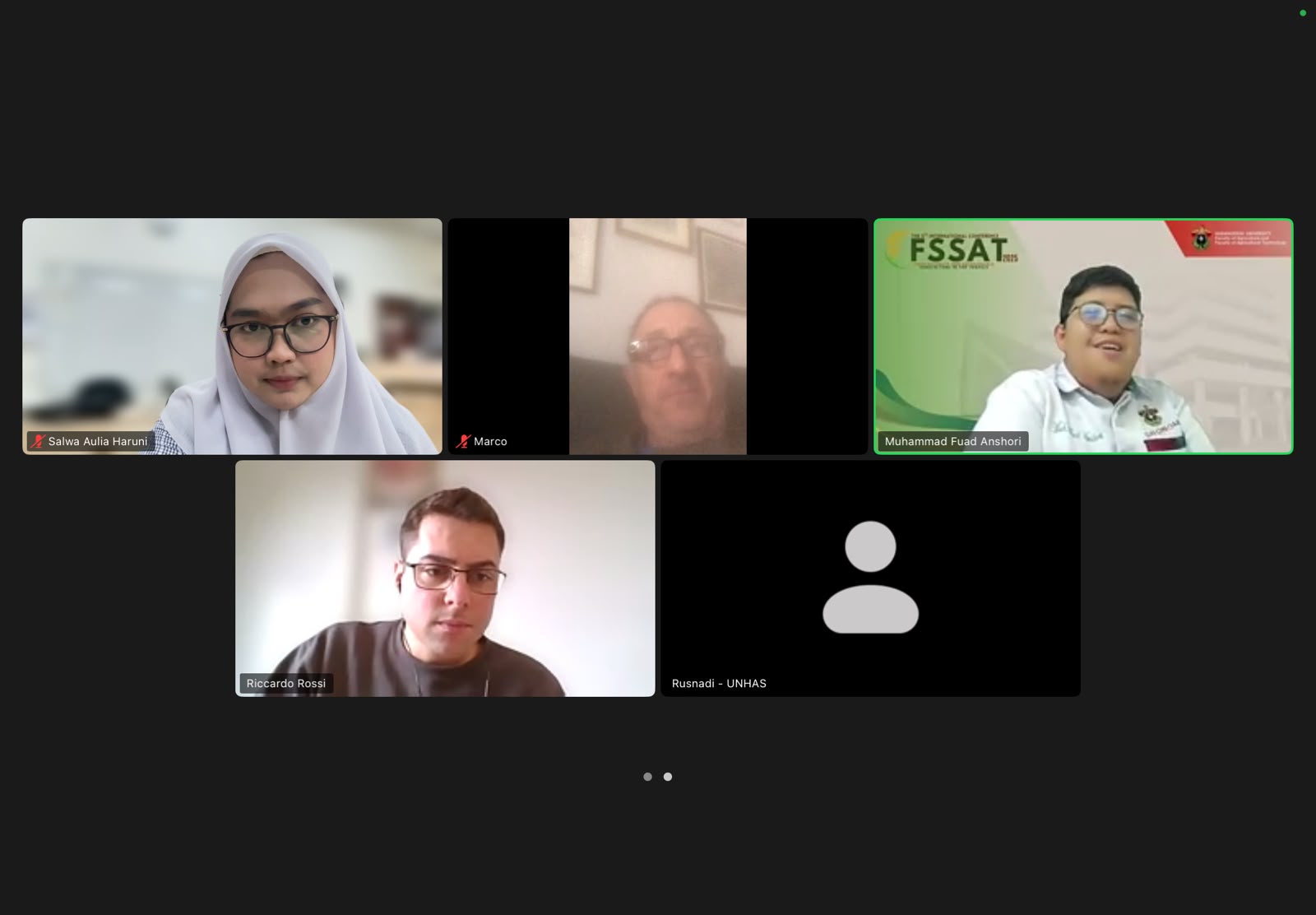
FGD on the Development of World Modeling: Strengthening Indonesia–Italy Research Collaboration
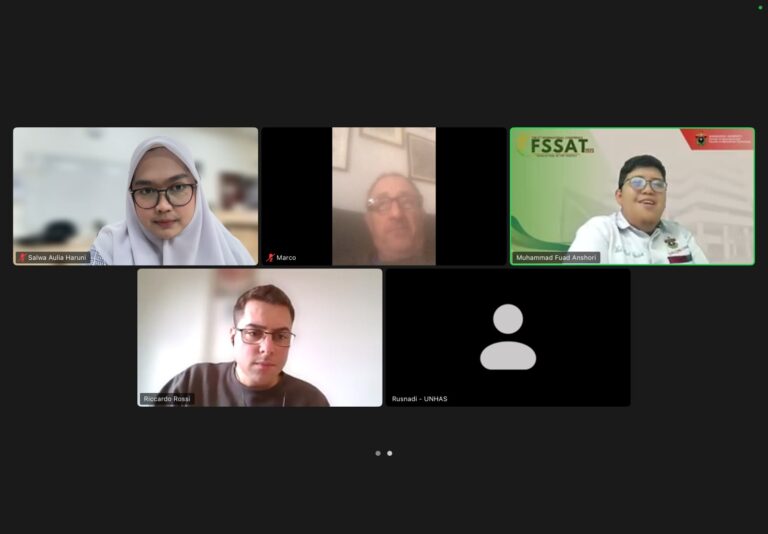
Makassar — CSVA-RG hosted a Focus Group Discussion (FGD) on the development of world modeling as part of its strategic effort to explore new findings in modeling research and to exchange knowledge between Indonesia and Italy, held online via Zoom on February 9, 2026. The discussion served as a platform for knowledge exchange among academics,…
-
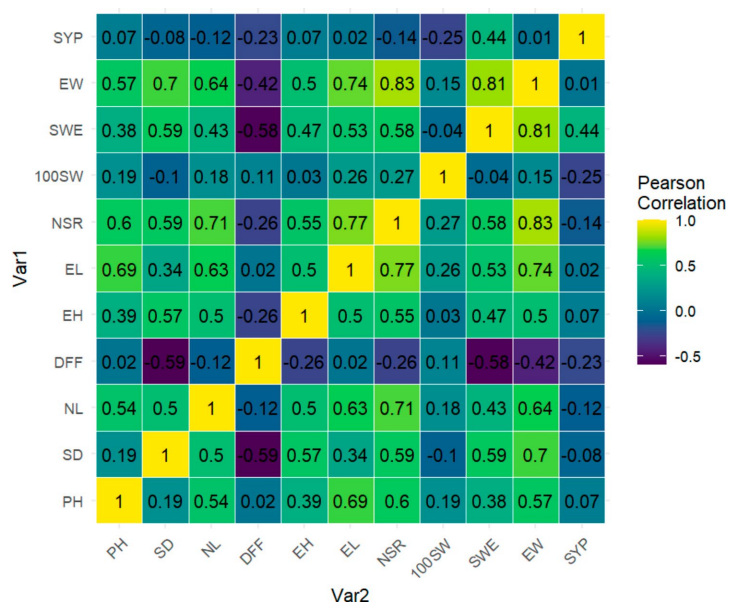
Hidden Potential Inside Corn: A New Genetic Pathway Toward Sustainable Future Harvests
MAKASSAR, Indonesia Aug 30 2026 /CSPA-RG/– Corn is one of the world’s most valuable crops, serving not only as human food but also as a major ingredient for animal feed and various industries. As demand continues to increase, farmers face a difficult challenge: producing more corn while dealing with climate change, shrinking agricultural land, and…
-
When Drones Meet Rice Fields: Smarter Nitrogen for Faster Harvests
MAKASSAR, Indonesia Aug 30 2026 /CSPA-RG/– Rice feeds more than half of the world’s population, especially across Asia. Yet producing enough rice is becoming more difficult as farmers face changing climates, limited land, and the challenge of using fertilizer efficiently. Early-maturing rice varieties offer one possible solution because they complete their life cycle faster and…
Location
Faculty of Agriculture, Hasanuddin University VF9M+CVG, Tamalanrea, Makassar, South Sulawesi 90245
Pages
Contact
Proudly powered by WordPress