


Makassar, Indonesia July 30 2025/ CORGOV/- Climate change is one of the most pressing challenges of our time, driven largely by the increasing concentration of carbon dioxide and other greenhouse gases in the atmosphere. Addressing this issue requires innovative approaches that integrate financial, social, and environmental considerations. One such approach is Carbon Management Accounting (CMA), a specialized field that helps organizations monitor, manage, and reduce their carbon footprints effectively.
Carbon Management Accounting is an evolution of Environmental Management Accounting (EMA), focusing specifically on the measurement, reduction, and reporting of carbon emissions. It provides companies with critical data to make informed decisions that align with sustainability goals. By tracking carbon emissions associated with various activities and energy usage, CMA enables organizations to identify cost-effective strategies for reducing their environmental impact.
This approach is particularly relevant to achieving several Sustainable Development Goals (SDGs), including SDG 13 (Climate Action), SDG 3 (Good Health and Well-being), SDG 4 (Quality Education), SDG 14 (Life Below Water), SDG 15 (Life on Land), and SDG 17 (Partnerships for the Goals). For example, effective carbon management contributes to climate action by reducing greenhouse gas emissions, which in turn supports better health outcomes by improving air quality (SDG 3). It also promotes education and awareness about sustainability practices (SDG 4), protects marine and terrestrial ecosystems (SDG 14 and 15), and fosters collaboration among stakeholders (SDG 17).
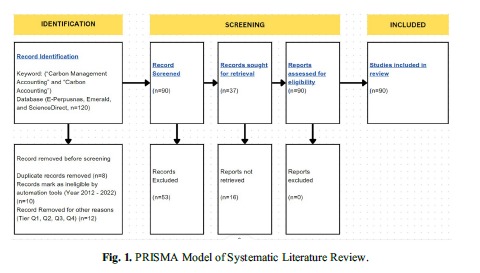
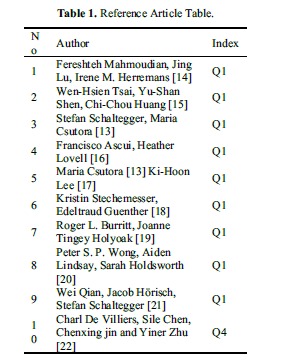
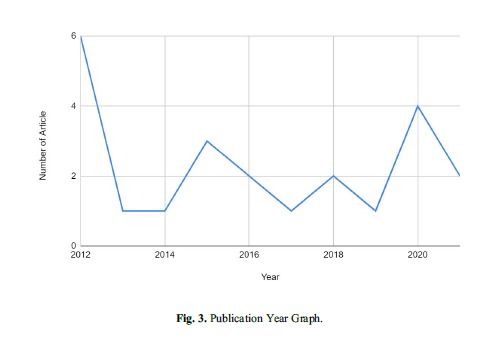
A recent systematic literature review titled “Carbon Management Accounting: A Systematic Literature Review,” published in the Proceedings of the 9th International Conference on Accounting, Management, and Economics 2024 (ICAME 2024) by Atlantis Press on July 30, 2025, provides a comprehensive analysis of CMA research. This study highlights the growing importance of CMA in corporate environmental management and its positive impact on financial performance and sustainability reporting.
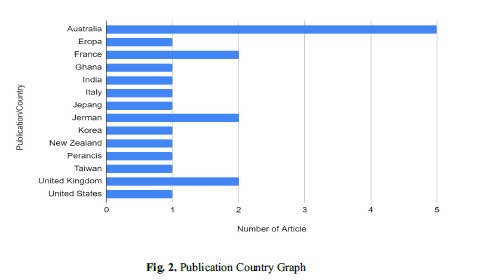
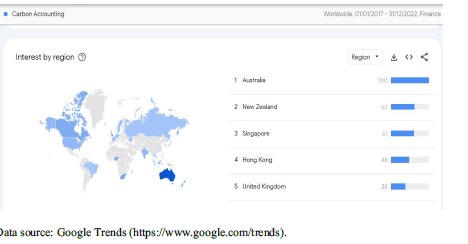
The review reveals that most research on CMA is conducted in developed countries such as Australia, France, Germany, and the United Kingdom, reflecting their strong environmental regulations and market demands for sustainability. It also shows that qualitative research methods dominate this field, indicating that CMA is still an emerging area with ongoing efforts to define and refine its concepts and practices.
Importantly, CMA empowers companies to not only comply with environmental regulations but also to create value by improving operational efficiency and enhancing corporate reputation. Tools like Activity-Based Costing help organizations accurately allocate environmental costs, enabling better pricing strategies and process improvements.
In conclusion, Carbon Management Accounting is a vital tool for companies striving to meet global sustainability standards and contribute to the SDGs. By integrating environmental data into financial decision-making, CMA supports a more sustainable and resilient future. This systematic literature review serves as a valuable reference for researchers and practitioners aiming to advance carbon management practices and promote sustainable development worldwide.

Reference:
DOI:
Contact:
Prof Dr. Asri Usman, SE.,M.Si.,CA.,Ak.,CRA.,CRP
08124225272
asriophu@gmail.com
asriusman@unhas.ac.id


