
Makassar, Indonesia, 17 September 2026/Cores/ – When a coral reef turns cloudy and its corals die back, most people assume the story ends there, nothing left to find. A team of researchers diving in the Spermonde Archipelago off South Sulawesi discovered otherwise. In the same turbid, sediment-choked shallows where coral cover can drop below 15 percent, they found a thriving, largely unrecorded community of marine sponges, animals so overlooked that several had never been documented in Indonesia at all.
The findings appear in “Preliminary study of marine sponges (Porifera) in the littoral of Spermonde Archipelago, Indonesia,” published in the journal ZooKeys by Pensoft Publishers on 1 August 2024. Researchers from Universitas Hasanuddin, working with the Naturalis Biodiversity Center in Leiden, spent several years snorkelling and diving the shallow reef flats around islands such as Samalona, Kayangan, and Langkai. They photographing sponges in place before carefully collecting fragments for laboratory study to examining their internal skeletal structures under both standard and scanning electron microscopes.
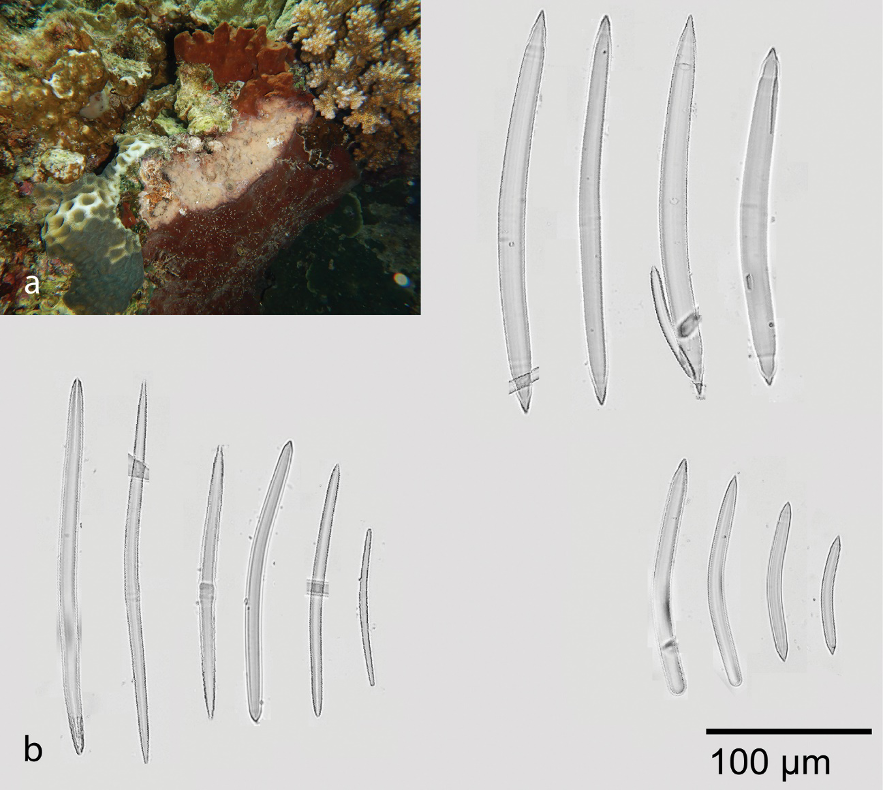
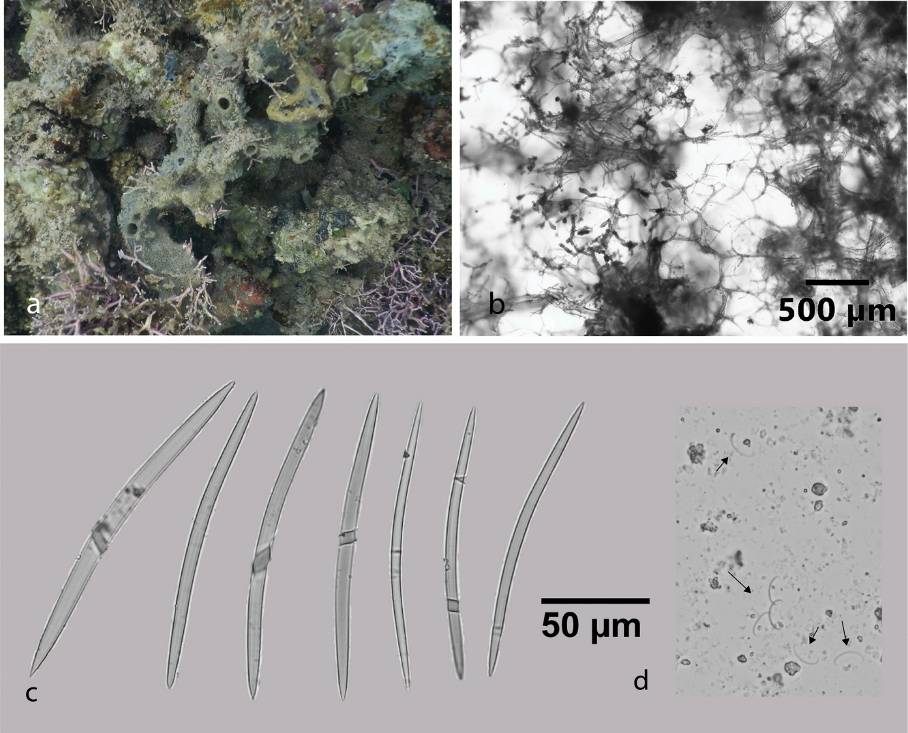
The result was a catalogue of 27 sponge species. Four of them may be entirely new to science. Several others including Clathrina rodriguesensis, Amphimedon paraviridis, Niphates nitida, and Ircinia schulzei had never before been recorded anywhere in Indonesia, despite the country sitting at the heart of the world’s richest marine region. Altogether, the work added 15 new records to the local marine ecoregion’s species list, pushing the known sponge count there past 140.
What makes this notable is where these sponges were found. Many favour exactly the conditions that kill coral: murky water, heavy sediment, and a lack of sunlight. Species like the flattened, leaf-shaped Phyllospongia foliascens turned out to be abundant near Makassar city’s turbid shoreline instead. It’s a reminder that when one part of a reef ecosystem collapses, another can quietly persist, adapted to conditions scientists once assumed were hostile to marine life.
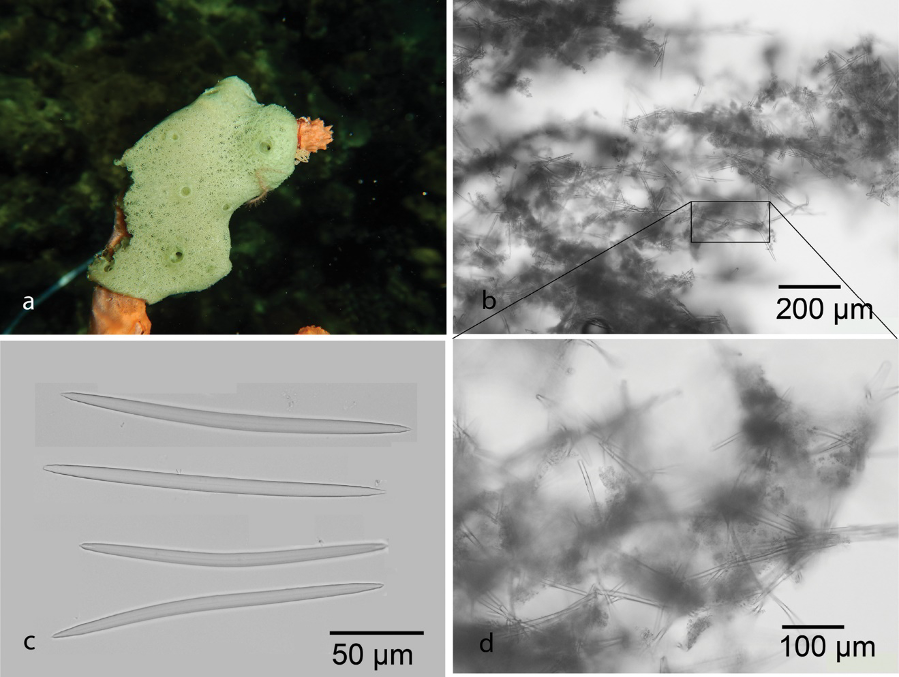
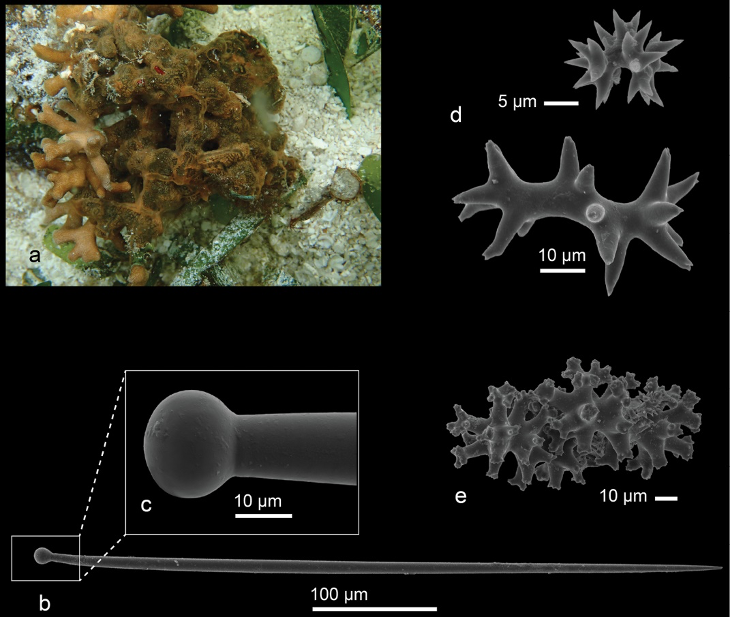
Why should this matter to anyone who isn’t a marine biologist? Cataloguing overlooked ocean life like this directly serves SDG 14 (Life Below Water) and, since sponges anchor biodiversity across the wider marine food web, SDG 15 (Life on Land)‘s broader spirit of safeguarding ecosystems is echoed in this underwater equivalent. The research itself is a case study in SDG 4 (Quality Education) it formed part of a PhD dissertation, training the next generation of Indonesian taxonomists in skills the country badly needs, since local sponge expertise has historically been thin. And the project only came together through SDG 17 (Partnerships for the Goals): an Indonesian university, a Dutch natural history museum, and a European Union research programme (4D-REEF) all had a hand in it.
There is unglamorous, careful work still ahead the four potential new species need formal description, and much of the archipelago remains unsurveyed. But the lesson already stands: even in a stretch of ocean written off as degraded, patient looking still turns up things nobody has ever named.
References:
DOI: https://doi.org/10.3897/zookeys.1208.113603
Contact:
Prof. Dr. Ir. Jamaluddin Jompa, M.Sc.
j.jompa@unhas.ac.id