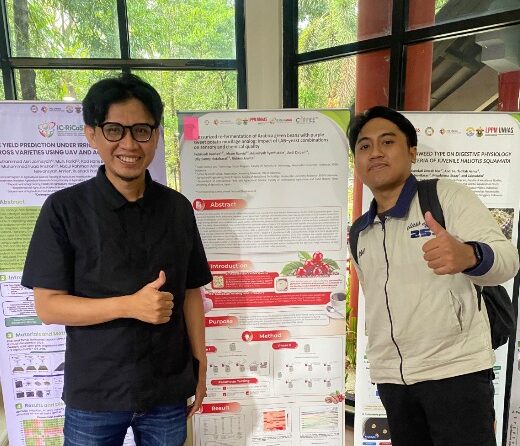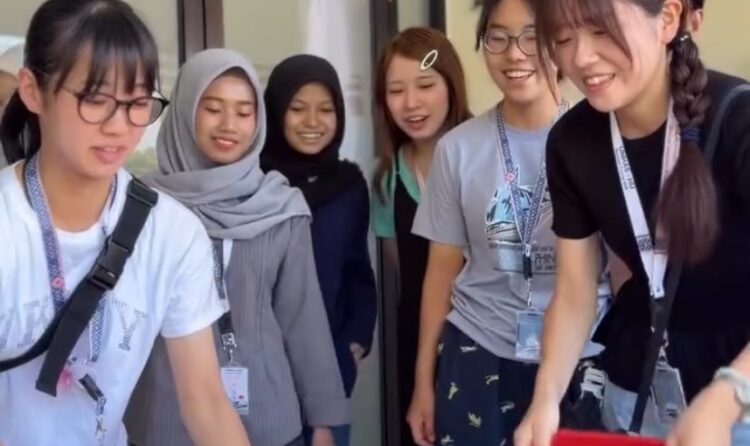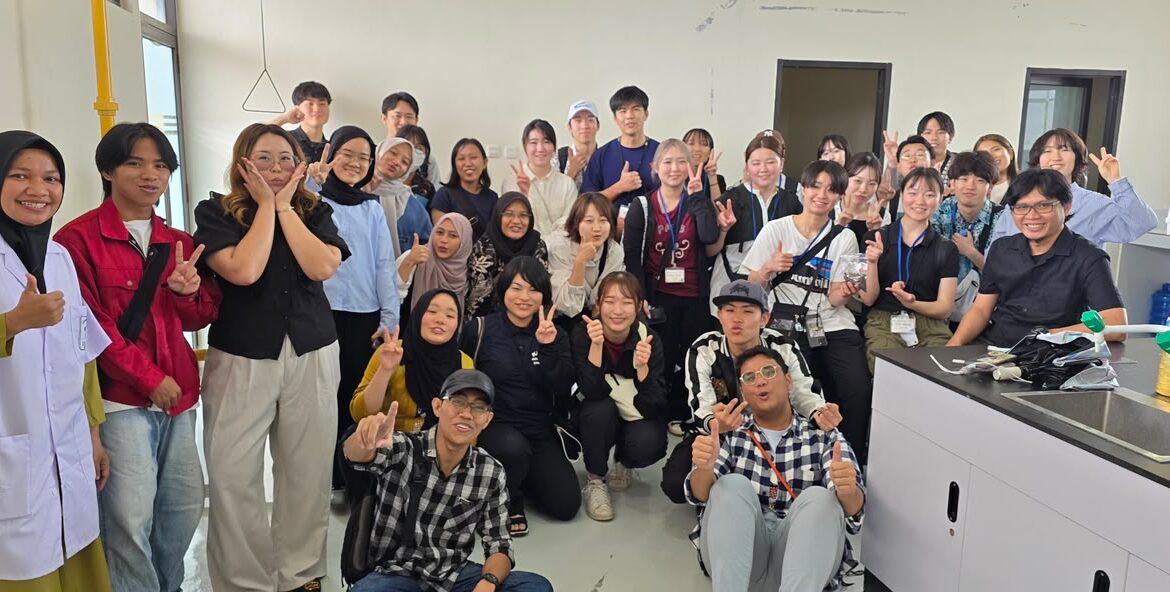
Scientific progress thrives on collaboration. In today’s interconnected world, universities are no longer working in isolation but are building international partnerships that encourage knowledge exchange, innovation, and sustainable development. Reflecting this commitment, the Laboratory of Food Science and Technology, Hasanuddin University, welcomed an international academic partner in an effort to strengthen future research collaboration and broaden global scientific networks.On 20 February 2025, the Laboratory of Food Science and Technology, Hasanuddin University, hosted an international visit attended by 30 participants, including lecturers, researchers, and students. The visit featured Riskina Juwita, PhD, from the Tokyo University of Agriculture, Japan, as the distinguished international partner. The event aimed to reinforce institutional relationships while exploring opportunities for future collaborative research, scientific publications, academic exchanges, and innovation in the fields of food science and technology.
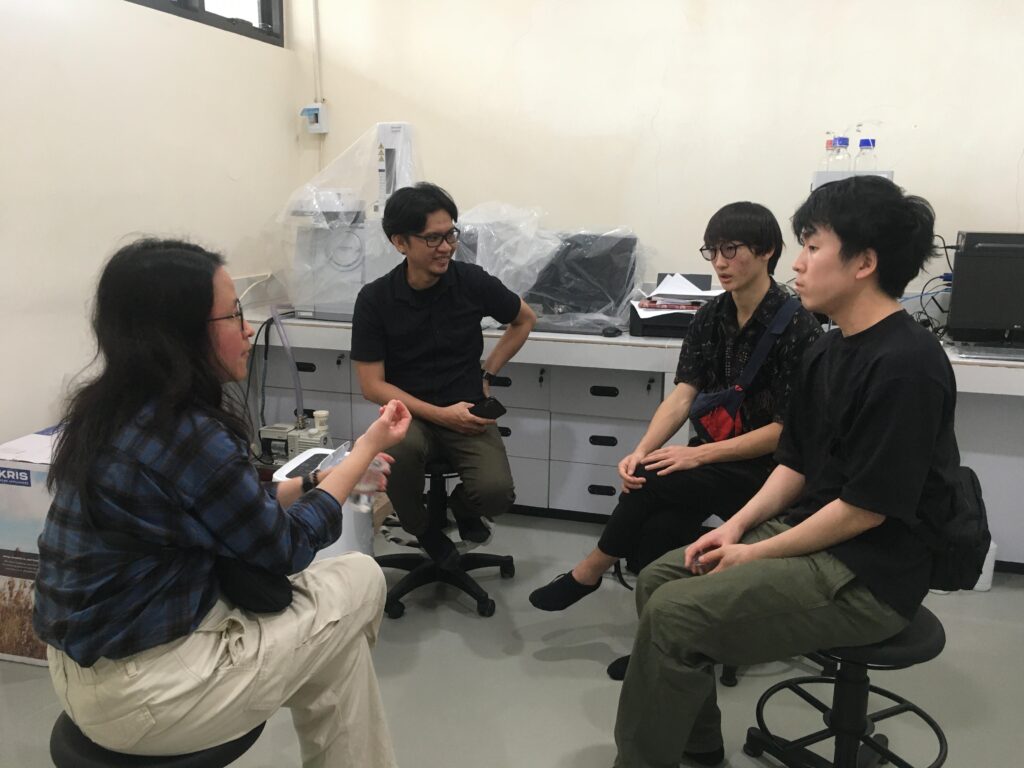
During the visit, participants were introduced to the laboratory’s research facilities, analytical instruments, and ongoing scientific projects. Discussions highlighted the importance of integrating advanced research methodologies with local agricultural resources to address current and future challenges in food production, nutrition, food safety, and sustainable technology development. The meeting also provided a platform to exchange ideas on potential joint research initiatives that could generate meaningful scientific contributions with global relevance.
An important aspect of the activity was the active involvement of students, demonstrating Hasanuddin University’s commitment to preparing future researchers with international perspectives. Irfina Permata Hartanto, Nicola Septriyanet, Afingka Dwi Puspasari, and Irham Rasyid participated in the discussions and laboratory tour, gaining valuable exposure to international academic collaboration. Their interaction with researchers from different cultural and scientific backgrounds enhanced not only their technical understanding but also their communication, networking, and critical thinking skills—competencies that are increasingly essential in today’s global research environment.
This international engagement directly contributes to several Sustainable Development Goals (SDGs). First, it supports SDG 4: Quality Education by providing students and researchers with opportunities to learn from international experts, strengthen research capacity, and promote lifelong learning through academic collaboration. Second, the activity contributes to SDG 17: Partnerships for the Goals by fostering strategic cooperation between Hasanuddin University and Tokyo University of Agriculture, Japan, encouraging joint research, scientific mobility, and long-term institutional partnerships. In the long term, these collaborations may also contribute to SDG 1: No Poverty, as research innovations in food science and agricultural technology have the potential to improve food systems, increase agricultural productivity, create economic opportunities, and support sustainable livelihoods for farming communities.
Beyond academic discussions, the visit reinforced the importance of building trust, mutual respect, and shared commitment among institutions across national borders. Strong partnerships enable researchers to combine expertise, share resources, and develop innovative solutions that address complex global challenges more effectively than individual efforts alone.As science continues to evolve in response to global needs, international collaboration remains a key driver of impactful research and innovation. This visit represents not only the beginning of future research initiatives but also a shared commitment to advancing scientific excellence through cooperation, knowledge exchange, and sustainable partnerships. By investing in education, empowering young researchers, and strengthening international networks, Hasanuddin University continues to contribute meaningfully toward SDG 1: No Poverty, SDG 4: Quality Education, and SDG 17: Partnerships for the Goals, creating lasting benefits for both academia and society.