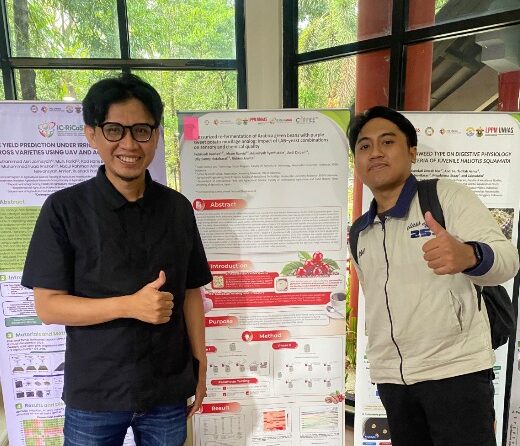
MAKASSAR, Indonesia Mar 9 2026/Coffee-RG/ – For billions of people, especially in Asia, rice is more than just food—it is a cultural staple and a daily source of energy. Countries like Indonesia, China, India, and Thailand rely heavily on rice as their primary carbohydrate source. However, this dependence creates challenges. Traditional rice provides energy but contains relatively limited amounts of protein, vitamins, and minerals. As the global population grows and agricultural land becomes increasingly limited, scientists are searching for innovative alternatives to ensure food security and better nutrition. One promising solution is analog rice.
These findings are comprehensively discussed in the review article “Characterization of Analog Rice Produced from Various Carbohydrate Sources and Their Functional Components: A Review,” published in the journal Discover Food by Springer on 14 June 2025. The review summarizes recent scientific evidence on the physical, chemical, sensory, and functional characteristics of analog rice made from a wide range of carbohydrate sources, highlighting its potential as an alternative staple food. Analog rice is a type of rice substitute made from non-rice carbohydrate sources such as cassava, corn, sago, sorghum, taro, or arrowroot. These ingredients are processed into grains that resemble ordinary rice in shape and texture, allowing people to consume them in the same way as traditional rice. The goal is not to replace eating habits but to improve the nutritional value of staple foods while diversifying food sources.
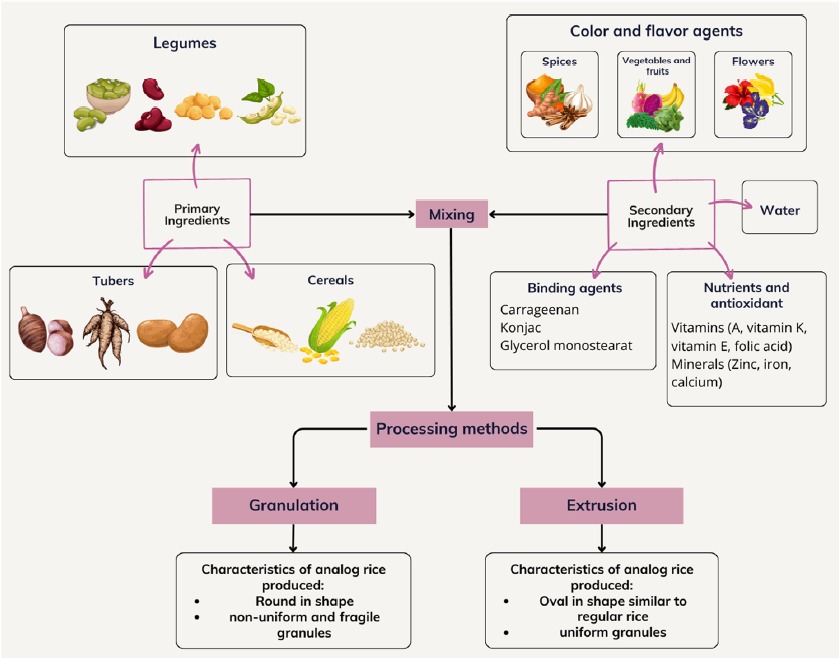
One of the advantages of analog rice is its flexibility. Scientists can design it using different ingredients to achieve specific nutritional benefits. For example, cassava-based analog rice can be enriched with soybean flour or other protein sources to increase its protein content. Some formulations also include ingredients like seaweed, fish collagen, or moringa leaves to enhance fiber, antioxidants, and essential nutrients.
Because of this flexibility, analog rice can function as a functional food, meaning it not only provides energy but also supports health. Some analog rice formulations contain dietary fiber, resistant starch, and phenolic compounds that help regulate blood sugar levels, support gut health, and act as antioxidants that protect the body from cell damage.
Another important advantage is its potential role in sustainable food systems. Many of the raw materials used to produce analog rice—such as cassava or sago—can grow in conditions where rice cultivation is difficult. This means that analog rice could reduce dependence on rice farming and make better use of local crops.
However, developing analog rice is not only about nutrition. Consumer acceptance is also crucial. People expect rice to have a familiar appearance, taste, aroma, and texture. Researchers therefore carefully evaluate sensory properties such as color, softness, and flavor to ensure that analog rice resembles traditional rice as closely as possible. Improving these sensory qualities is one of the key challenges in making analog rice widely accepted.
This innovation strongly supports Sustainable Development Goal (SDG) 2: Zero Hunger and SDG 3: Good Health and Well-Being, particularly in improving nutritional quality and diversifying staple foods. By developing alternative staples with enhanced nutritional profiles, analog rice can help communities maintain better health while ensuring food availability for future generations.
In the coming years, continued research and collaboration between scientists, food industries, and policymakers will be essential. With the right innovation, analog rice may become an important part of sustainable diets—proving that the future of food does not always mean replacing tradition, but improving it.
Reference
DOI: https://doi.org/10.1007/s44187-025-00473-9
Contact:
Dr. Februadi Bastian
+62858-2501-3239
februadi@unhas.ac.id