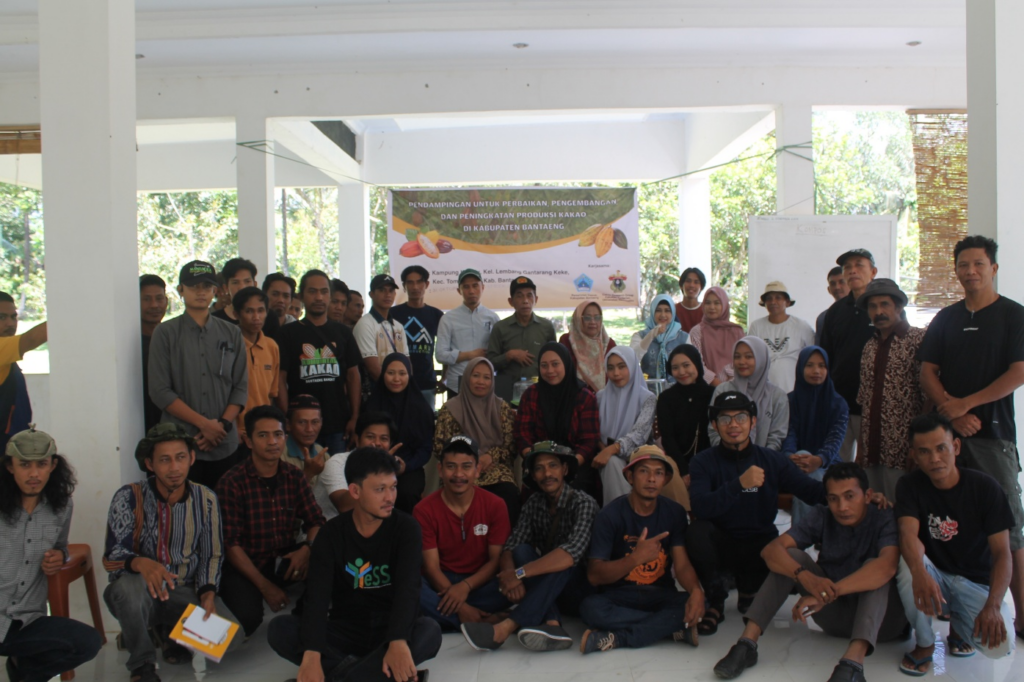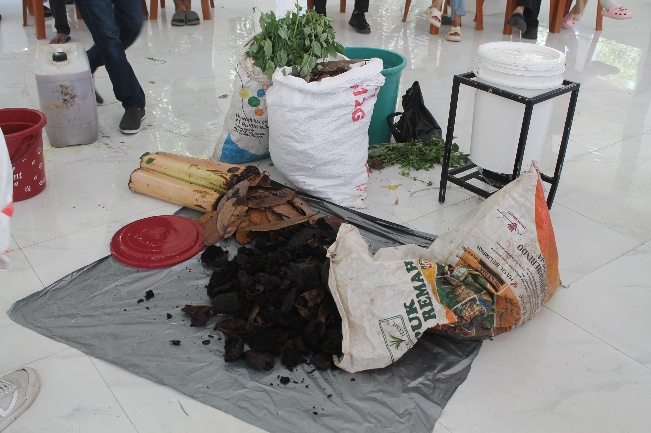

On November 2, 2025 , a significant step in the organic farming revolution was taken in Kacidu Village, Lembang Gantarang Keke Subdistrict, Tompo Bulu District, Bantaeng Regency . The Cocoa Research Group team from Hasanuddin University, in collaboration with the Bantaeng Regency Government, held an intensive activity entitled “Composting Practice.” A total of 50 participants , consisting of local farmers and students, gathered to learn techniques for processing organic waste into essential soil nutrients. This initiative is part of a larger vision to double cocoa productivity through improving the growing environment and diversifying superior clones.
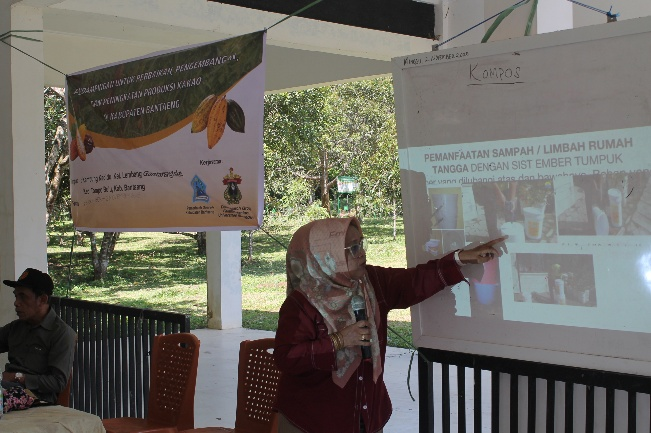
Scientifically, soil degradation in cocoa plantations has become a serious threat to food security and the economy. Data shows that the average organic carbon content in Bantaeng land is only 1.5%, far below the ideal threshold of 3.5% required to support optimal cocoa growth. Through this practical, participants are taught a controlled decomposition method using bioactivators to accelerate nutrient maturation. Transforming waste into organic fertilizer is not merely a technical activity, but rather an applied science solution to restore the vitality of soil ecosystems that have become saturated due to the long-term use of chemical inputs.
This activity explicitly integrates the values of SDG 1: No Poverty . By empowering farmers to independently produce fertilizer, the program directly reduces agricultural production costs, which are burdened by fluctuating chemical fertilizer prices. Increased yields from healthy soil will contribute to stable farm household incomes, a key foundation for poverty alleviation in rural areas.
In addition to the economic impact, the educational dimension is a key pillar in the implementation of SDG 4: Quality Education . This training provides access to agricultural science literacy for local communities. Experts from Hasanuddin University assist participants in understanding the biological process of composting, ensuring effective knowledge transfer from academics to practitioners in the field. This practical education is crucial for creating a generation of farmers who are intelligent, innovative, and adaptable to climate change.
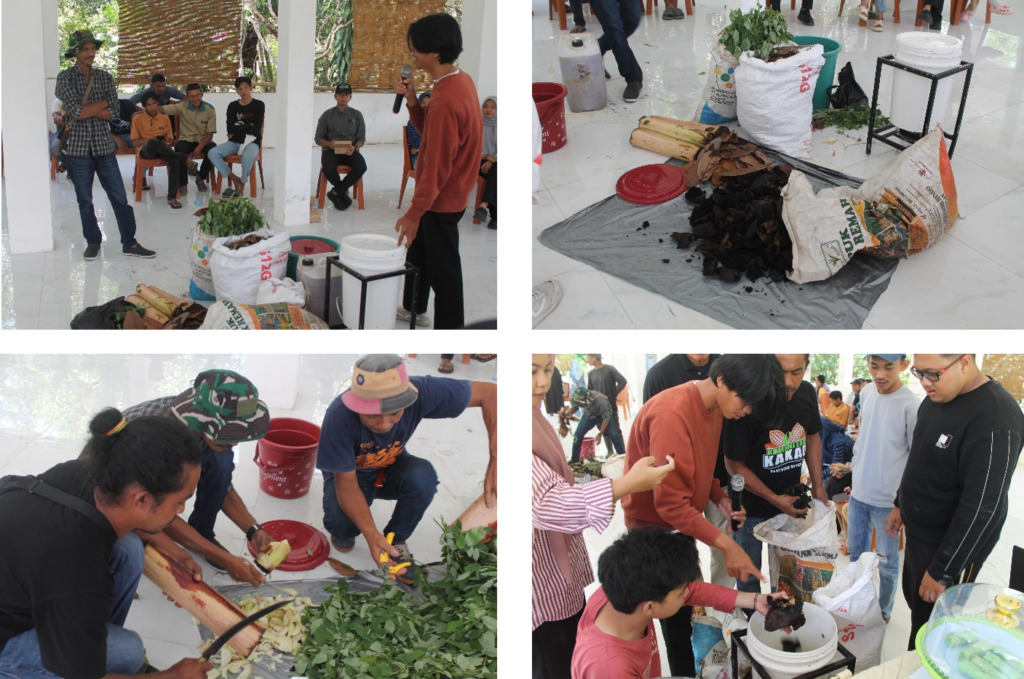
The success of this program also depends entirely on the implementation of SDG 17: Partnerships for the Goals . Collaboration between higher education institutions and local governments creates a supportive ecosystem that allows laboratory innovations to be directly applied on farmers’ fields. This synergy ensures that the strategy to increase cocoa production in Bantaeng is long-term sustainable and supported by appropriate public policies.
By optimizing the use of local resources, this activity also supports SDG 15: Life on Land by promoting sustainable land management. Through the dedication of these 50 participants, the future of cocoa in Bantaeng is now moving towards a new era of greener, more independent, and globally competitive farming, proving that organic innovation is key to future farmer prosperity.