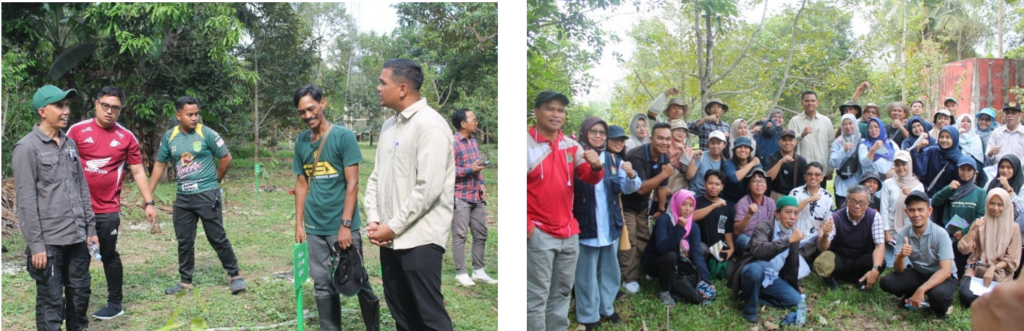

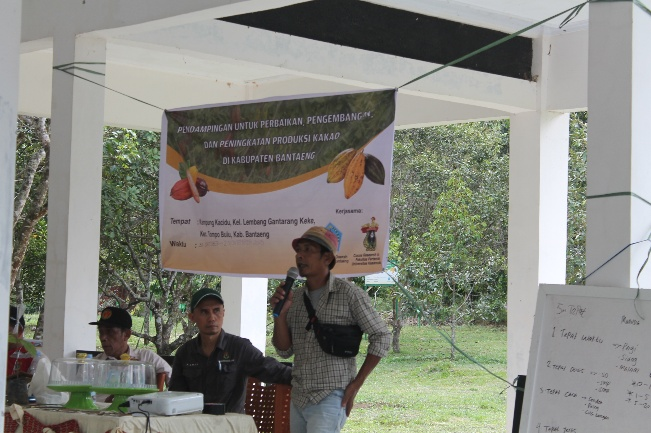
On November 1, 2025, a transformative step toward agricultural resilience was taken in Kampung Kacidu, Kelurahan Lembang Gantarang Keke, Bantaeng Regency. The Cocoa Research Group of Universitas Hasanuddin, in collaboration with the Bantaeng Regency Government, organized a specialized training session titled “Introduction and Application of Compost”. This initiative, attended by 50 participants including local farmers, farmer groups, and students, serves as a cornerstone for a larger mission: doubling cocoa productivity through land expansion, rejuvenation, and environmental optimization.
Indonesia’s cocoa sector, which supports approximately 1.5 million families, is currently facing a critical juncture. Once a global leader, the nation has seen a fourfold decline in productivity due to aging plantations, nutrient-depleted soils, and the escalating pressures of climate change. In Bantaeng, current soil assessments reveal a worrying deficit; average soil organic carbon stands at 1.5%, significantly lower than the 3.5% required for healthy cocoa production. This gap necessitates a shift from chemical dependency to sustainable biological solutions.
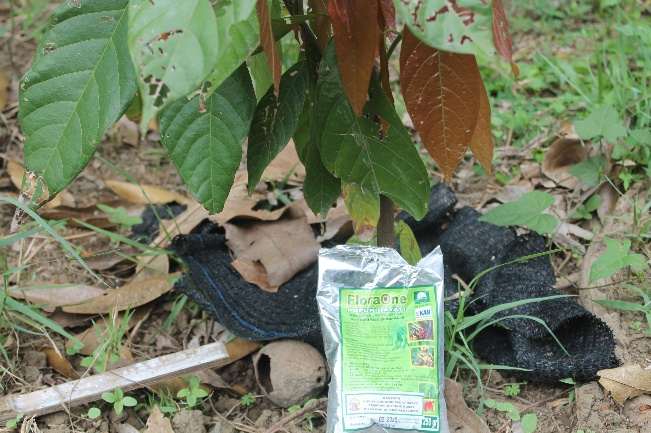
The training addressed these challenges by aligning local action with the United Nations Sustainable Development Goals (SDGs). By introducing organic composting and bio-fertilizers like FloraOne, the program directly contributes to SDG 1: No Poverty. By equipping farmers with the technical skills to restore soil fertility, the initiative seeks to stabilize and increase household incomes, ensuring that the cocoa-based economy remains a viable pathway out of economic vulnerability.
Education is the catalyst for this change, embodying SDG 4: Quality Education. Led by experts such as Prof. Dr. Ir. Ade Rosmana and Prof. Dr. Ir. Sylvia Sjam, the session moved beyond theory into hands-on field practice. Participants learned to apply compost precisely within the root zones of elite cocoa clones, such as the GTB variety. This transfer of scientific knowledge ensures that the next generation of farmers and students is prepared to manage complex agricultural ecosystems with modern, sustainable techniques.
Furthermore, the project highlights the necessity of SDG 17: Partnerships for the Goals. The synergy between academic researchers and the regional government bridges the gap between laboratory innovation and field implementation. Such collaborations are essential for monitoring long-term impacts and developing further strategies, such as converting cocoa pod husks into high-quality compost to reduce production costs.
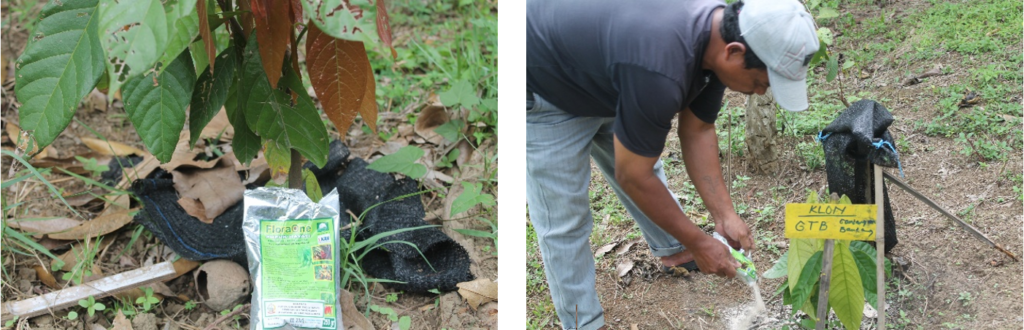
By prioritizing the health of the land, this activity also supports SDG 15: Life on Land. Sustainable land management through organic enrichment prevents soil degradation and helps plantations withstand the erratic weather patterns of the modern era. Ultimately, the Bantaeng initiative is not just about growing better cocoa; it is about cultivating a resilient agricultural legacy that balances economic growth with environmental stewardship.