
Description
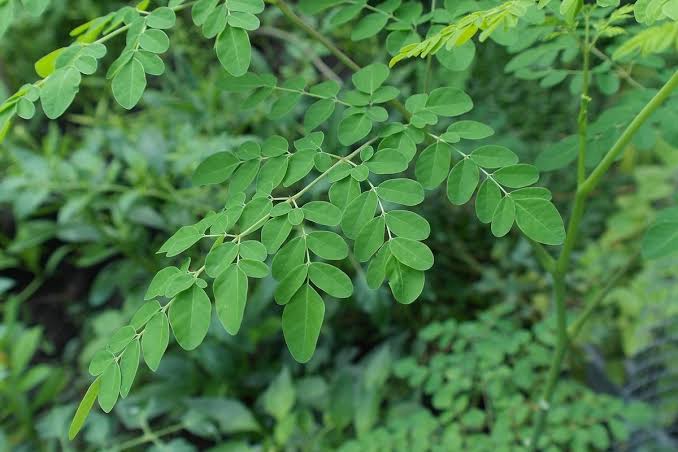
This research project explores the potential of Moringa plants (Moringa oleifera) as a natural, plant-based solution for combating obesity. Known for their rich nutritional profile and bioactive compounds, Moringa leaves, seeds, and pods have shown promising anti-obesity properties in preliminary studies.
Our focus is on understanding the mechanisms through which Moringa impacts weight management, including:
- Regulation of Fat Metabolism: Inhibiting fat storage and promoting fat breakdown.
- Appetite Suppression: Modulating hormones that control hunger and satiety.
- Improved Insulin Sensitivity: Enhancing glucose regulation to reduce fat accumulation.
- Anti-Inflammatory and Antioxidant Effects: Combating inflammation and oxidative stress associated with obesity.
Through preclinical studies and human trials, this project aims to validate Moringa\'s efficacy, identify optimal dosages, and develop practical applications such as dietary supplements, functional foods, and adjunct therapies.
Our research seeks to contribute to the growing body of evidence supporting Moringa as a sustainable, natural approach to weight management and obesity-related health challenges.
Description
Type 2 diabetes mellitus (T2DM) is a global health concern characterized by chronic hyperglycemia, insulin resistance, and an imbalance in gut microbiota, which collectively contribute to disease progression and complications. The gut microbiota plays a critical role in glucose metabolism, insulin sensitivity, and overall metabolic health, making it a key target for innovative therapeutic approaches. Among these, functional foods enriched with bioactive compounds and probiotics have gained attention for their ability to modulate gut microbiota and improve glycemic control.
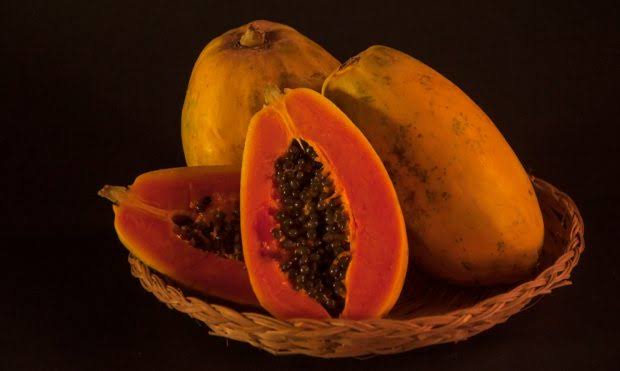
This study focuses on evaluating the potential of nata de papaya, a fermented product derived from papaya, as a dietary intervention for T2DM. Nata de papaya is known for its high fiber content, probiotic activity, and bioactive compounds, including antioxidants and polyphenols, which may contribute to its therapeutic effects. In this study, male rats were induced with T2DM using a high-fat diet and low-dose streptozotocin to mimic human diabetes pathology. The rats were then supplemented with nata de papaya to assess its impact on blood glucose levels and gut microbiota composition.
Blood glucose levels were monitored at regular intervals to determine the hypoglycemic effects of nata de papaya, while stool samples were analyzed using advanced microbiome profiling techniques to evaluate changes in gut microbial diversity and abundance. The study aimed to explore the mechanisms through which nata de papaya exerts its effects, including its role in enhancing short-chain fatty acid production, reducing gut inflammation, and improving insulin sensitivity.
Preliminary findings suggest that nata de papaya supplementation significantly lowers blood glucose levels and restores gut microbial balance by increasing beneficial bacteria, such as Lactobacillus and Bifidobacterium, while reducing harmful strains associated with metabolic disorders. These results highlight the dual benefits of nata de papaya as both a glycemic regulator and a modulator of gut health.
This research underscores the potential of nata de papaya as a natural and functional food-based intervention for managing T2DM. By addressing the intricate relationship between diet, gut microbiota, and glucose metabolism, nata de papaya may pave the way for novel therapeutic strategies to combat diabetes and improve overall metabolic health.
Description
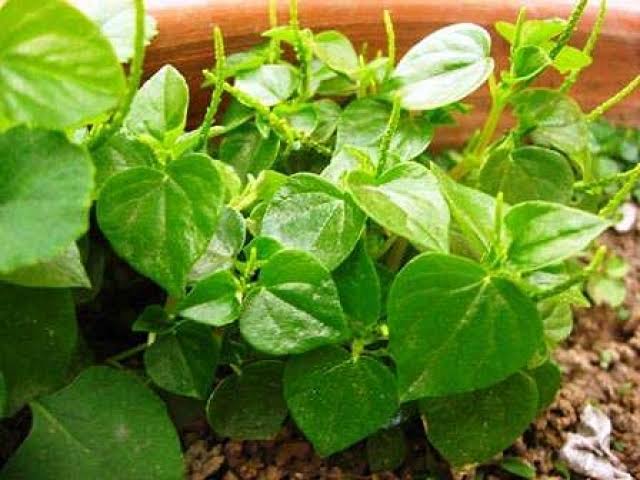
Excessive alcohol consumption will become free radicals in the body. Alcohol consumed will be metabolized by the body about 90% by the enzyme alcohol dehydrogenase (ADH) and the coenzyme nicotinamide-adenine-dinucleotide (NAD) both of these pathways will eventually produce the final product in the form of acetaldehyde, a very toxic product that causes cell damage. The main target of this alcohol metabolism is the liver, if the liver is damaged then the enzyme found in the liver cytosol, namely the enzyme alanine aminotransferase (ALT) will be released so that the amount will increase in the blood. Several studies have reported that the ALT enzyme is the best measurement to identify liver damage. If the liver is damaged then it will interfere with the liver\'s function to break down fat, so that later this will develop into fatty liver. Many antioxidants can reduce the adverse effects of free radicals, one of which is the high antioxidant content that can be found in the suruhan plant (Peperomia pellucida L. Kunth) which has bioactive polyphenol components such as flavonoids. Therefore, this study looked at the effect of suruhan extract in inhibiting the increase in ALT enzymes and fatty liver in Wistar gall rats. The purpose of this study was to determine the effect of administering suruhan extract of Peperomia pellucida L. Kunth to male Wistar rats induced by alcohol. This study was experimental with a pre-post-test with control group design. It was carried out by comparing the results of observations in the experimental and control groups. The study was conducted at the Faculty of Medicine, Hasanuddin University, Makassar. Animal maintenance and observation of ALT enzyme levels were carried out at the Biochemistry Laboratory, Faculty of Medicine, Hasanuddin University, Makassar. The preparation of suruhan extract was carried out at the Phytochemistry Laboratory, Faculty of Pharmacy, Hasanuddin University. Histopathological examination of the liver organ was carried out at the Pathology Anatomy Laboratory, Hasanuddin University Teaching Hospital, Makassar. This study was divided into 3 groups and each group consisted of 8 rats. The control group was given 1 ml of distilled water and 25% ethanol, Group S1 was given 100 mg of suruhan extract and 1 ml of 25% ethanol, group S2 was given 200 mg of suruhan extract and 1 ml of 25% ethanol, the treatment was given for 6 weeks. The results of the paired t-test showed a significant increase in the ALT enzyme in the control group (p = 0.012) while in groups S1 (p = 0.044) and S2 there was no increase (p = 0.778). The results of the One Way Anova posttest showed a significant difference (p = 0.007) between the control groups S1 and S2. This study can be concluded that the administration of suruhan extract (Peperomia pellucida L. Kunt) S1 and S2 is effective in inhibiting the increase in the ALT enzyme in alcohol-induced mice, but histological liver damage can only be prevented by group S2, because multifocal degeneration occurs in the control group and group S1.