


GALLERY OF OUR RESEARCH

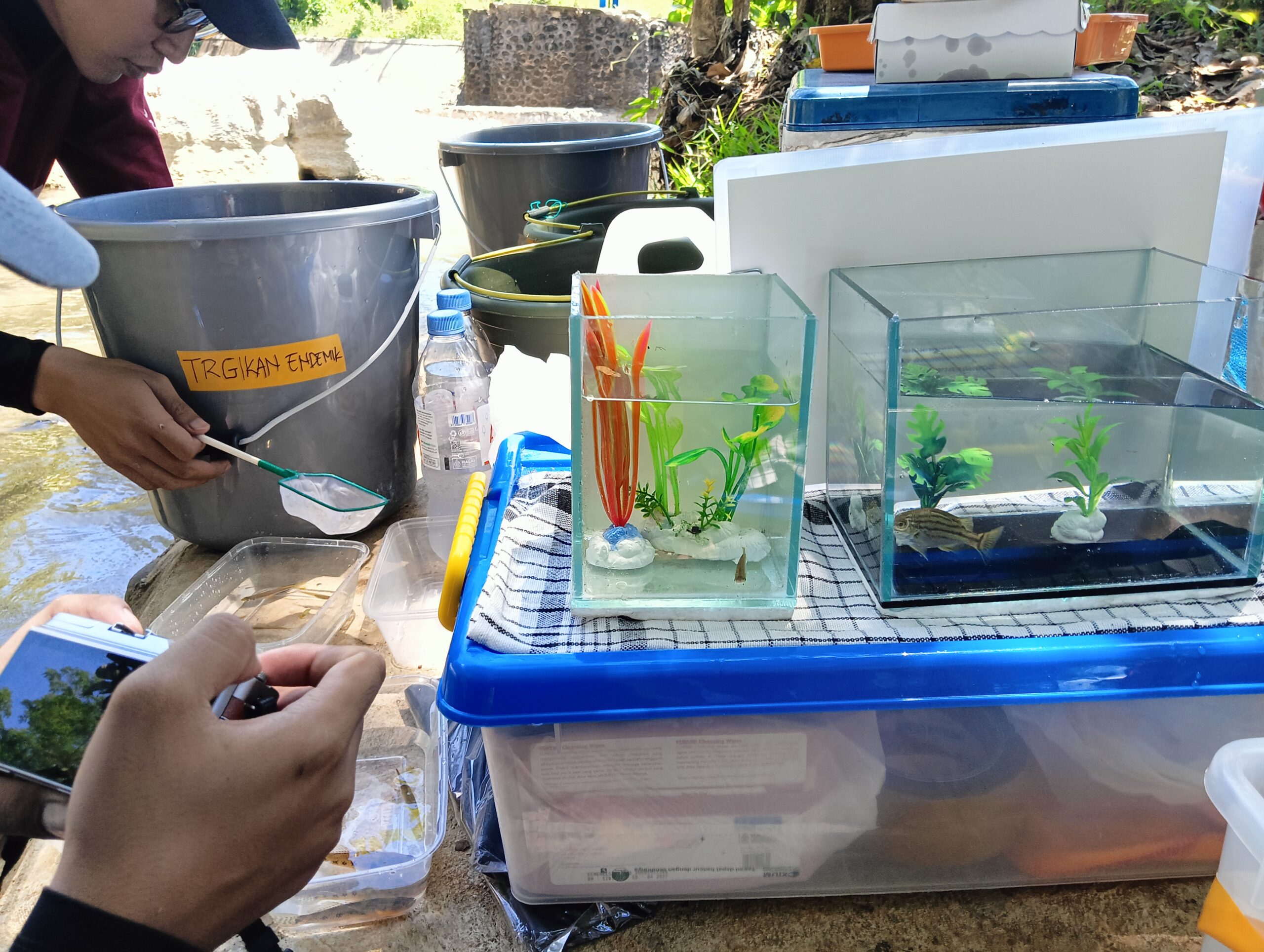
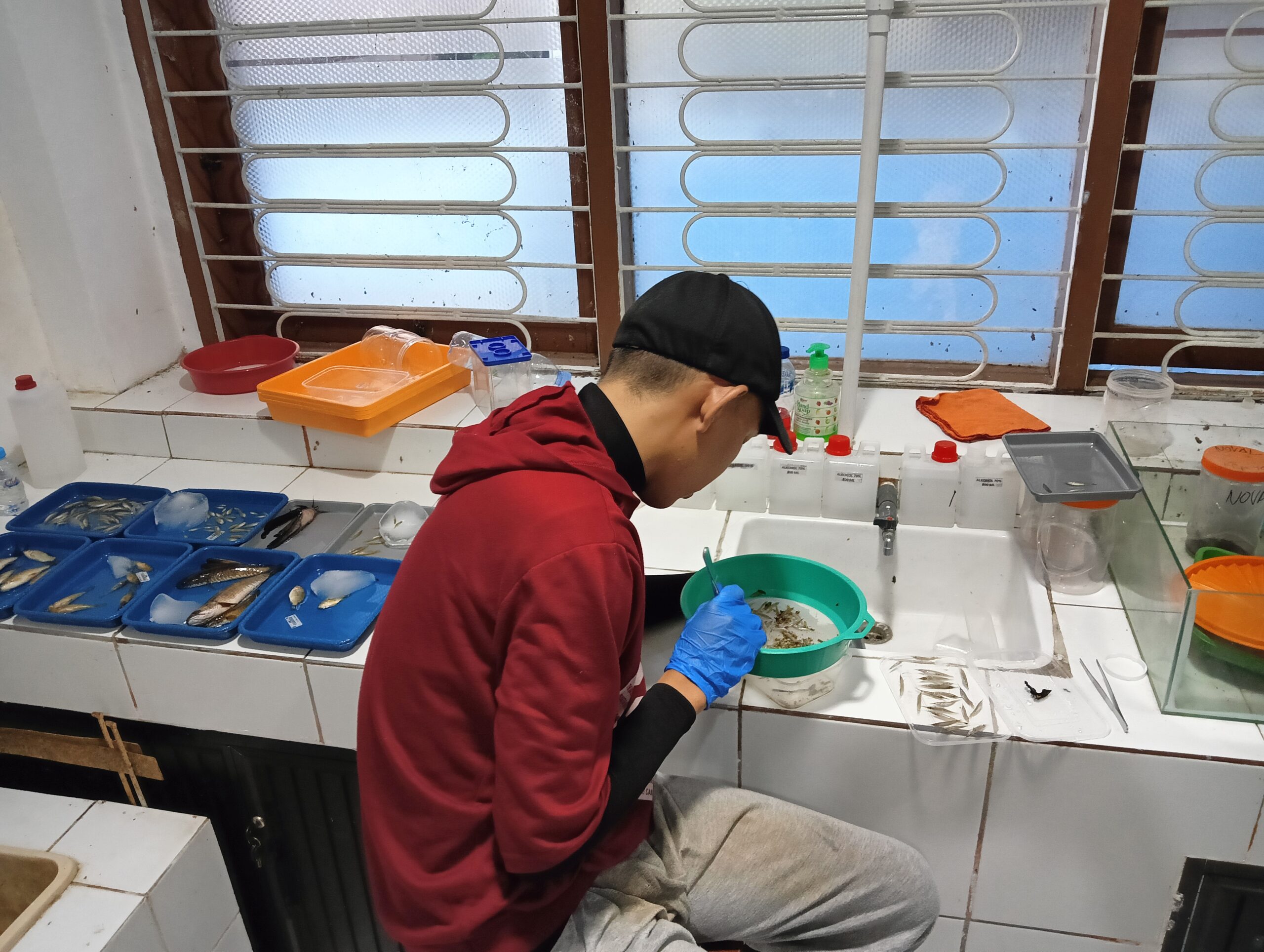
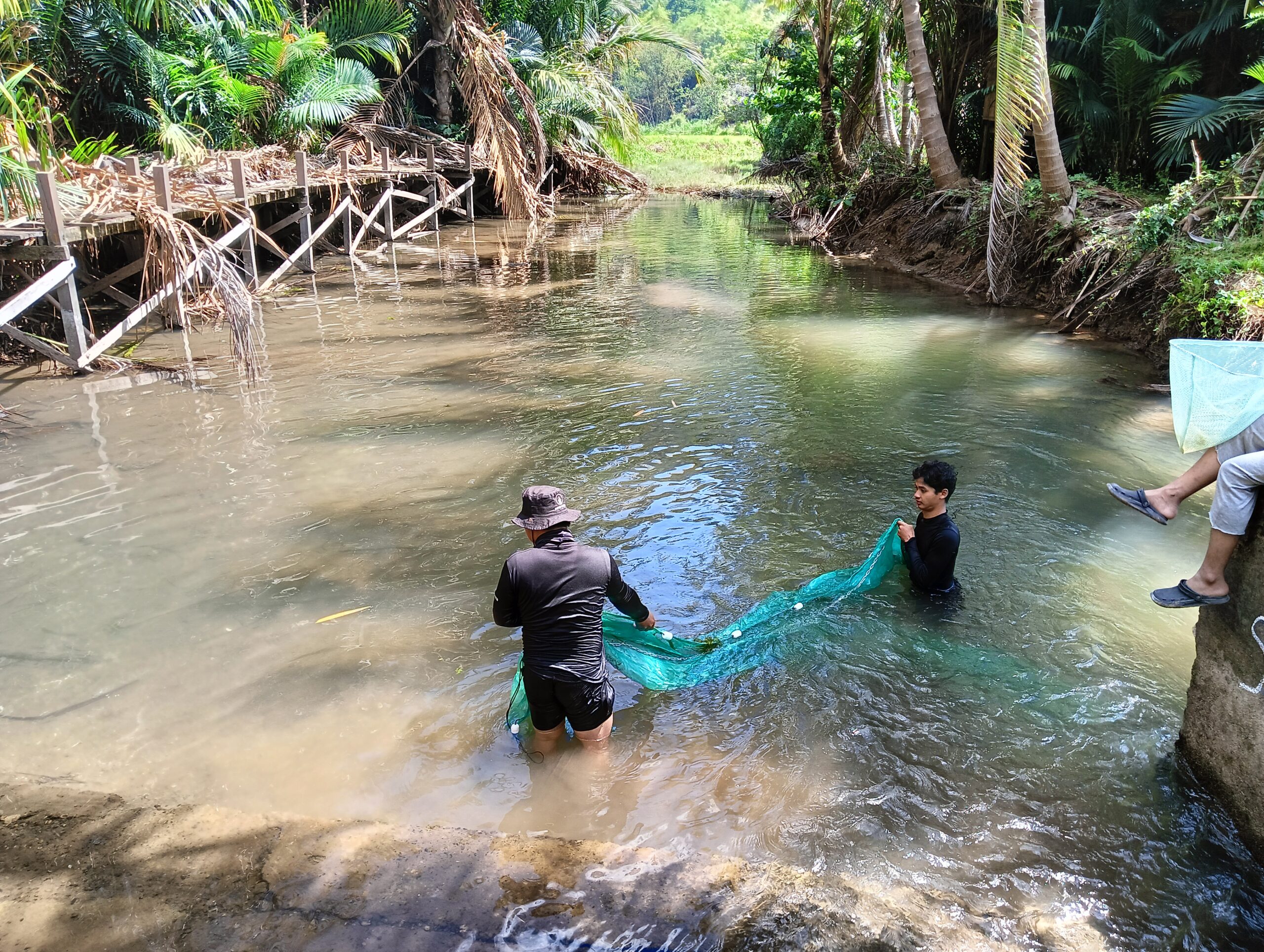
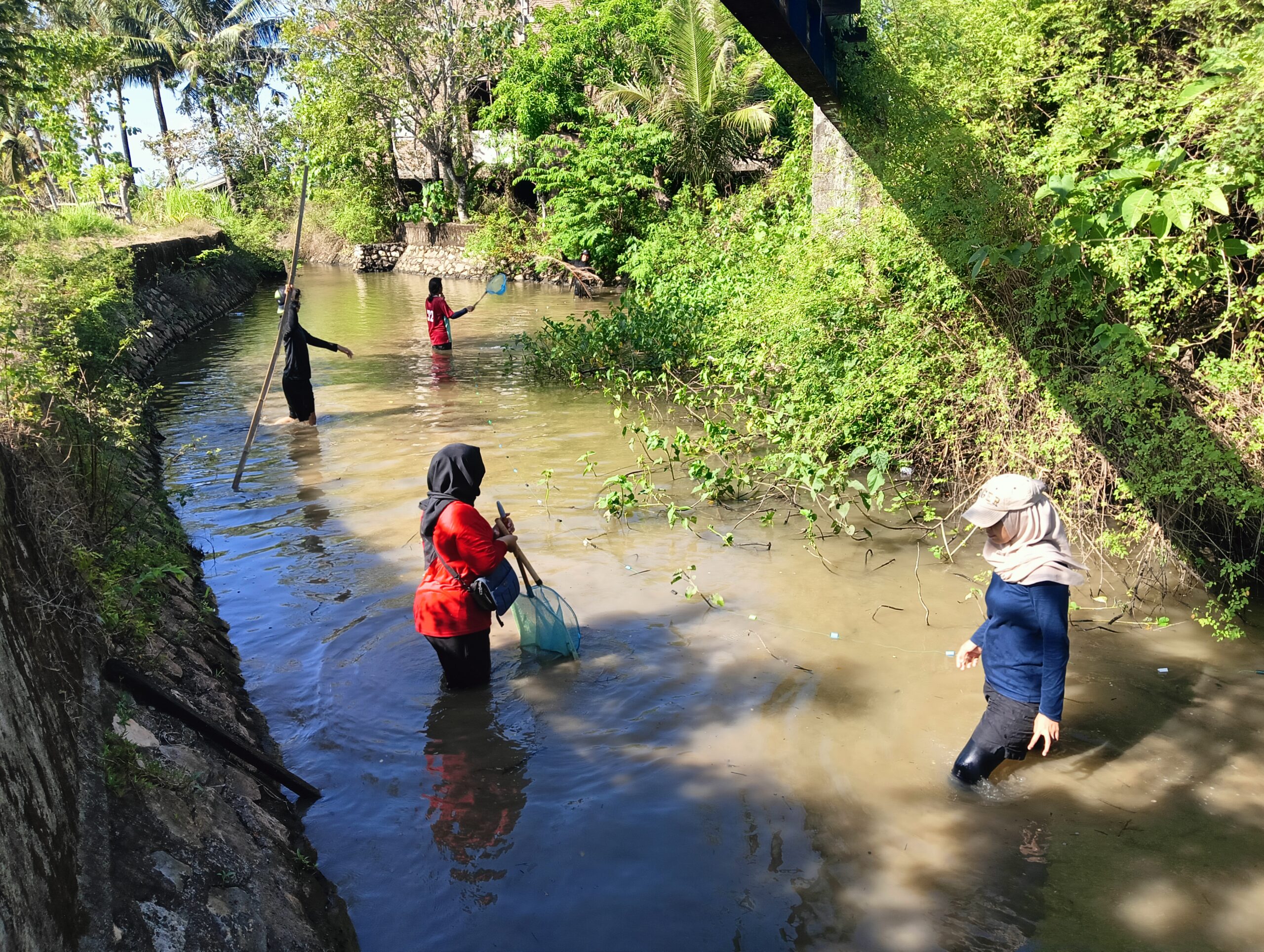

Description
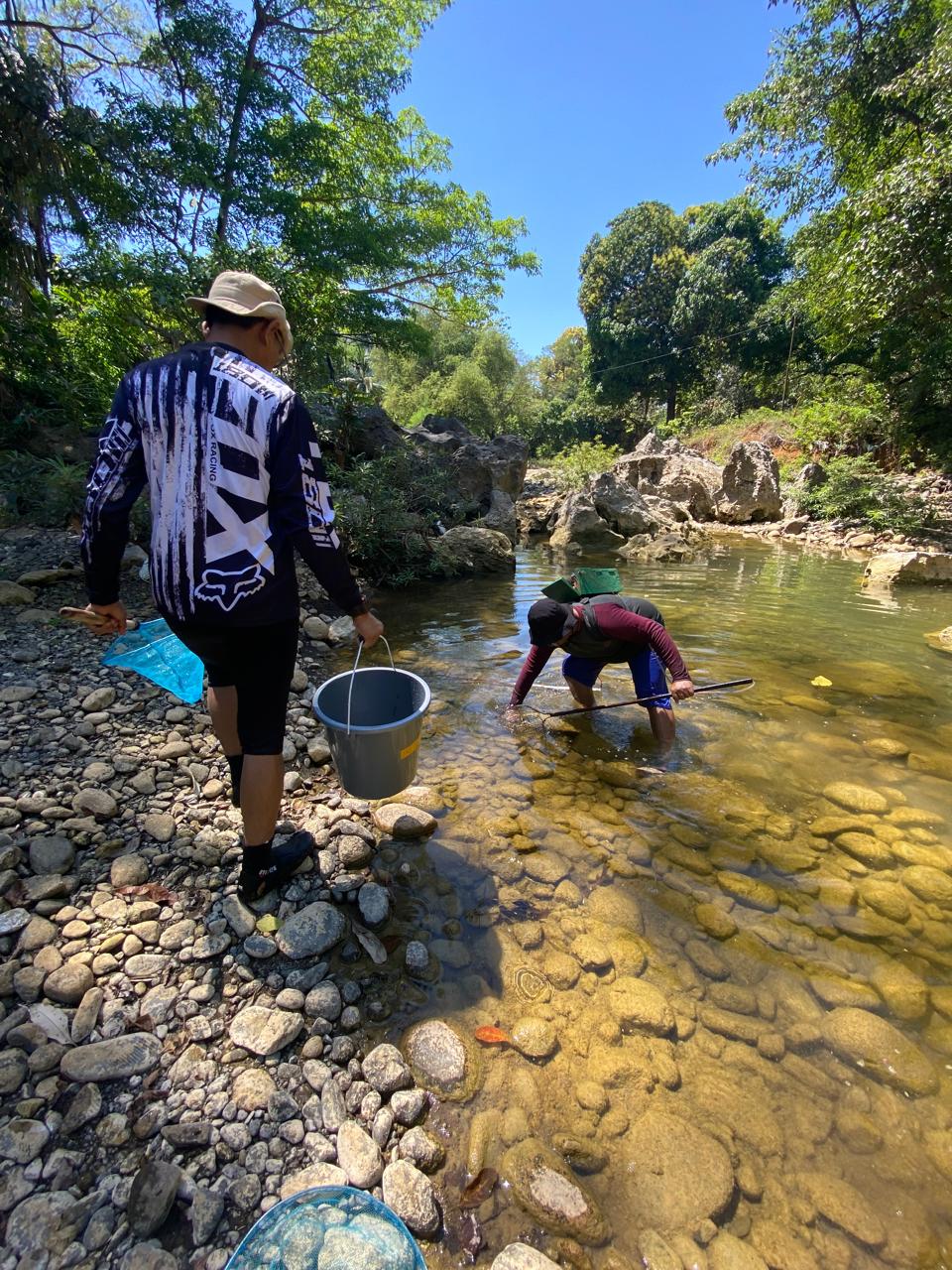
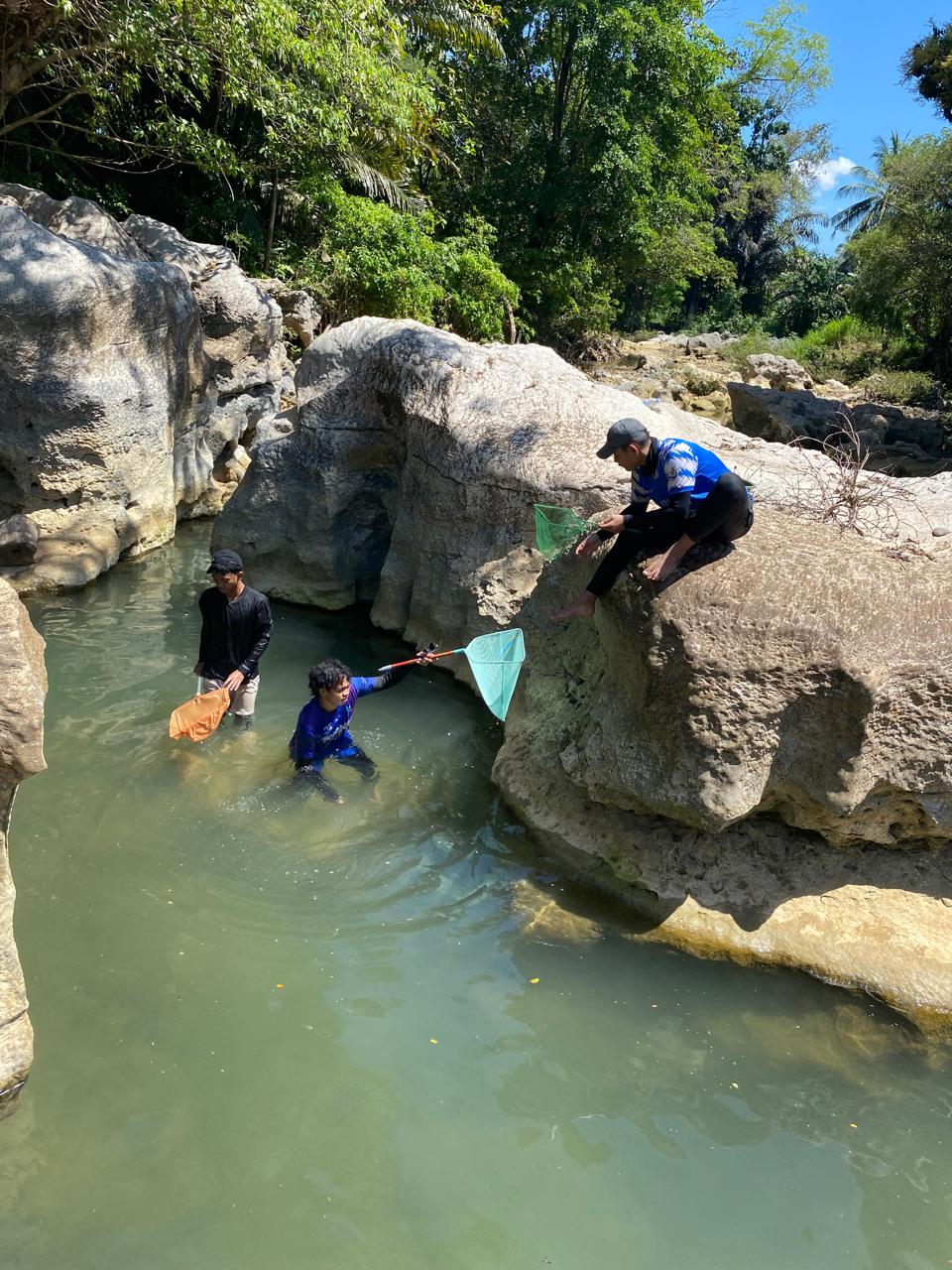
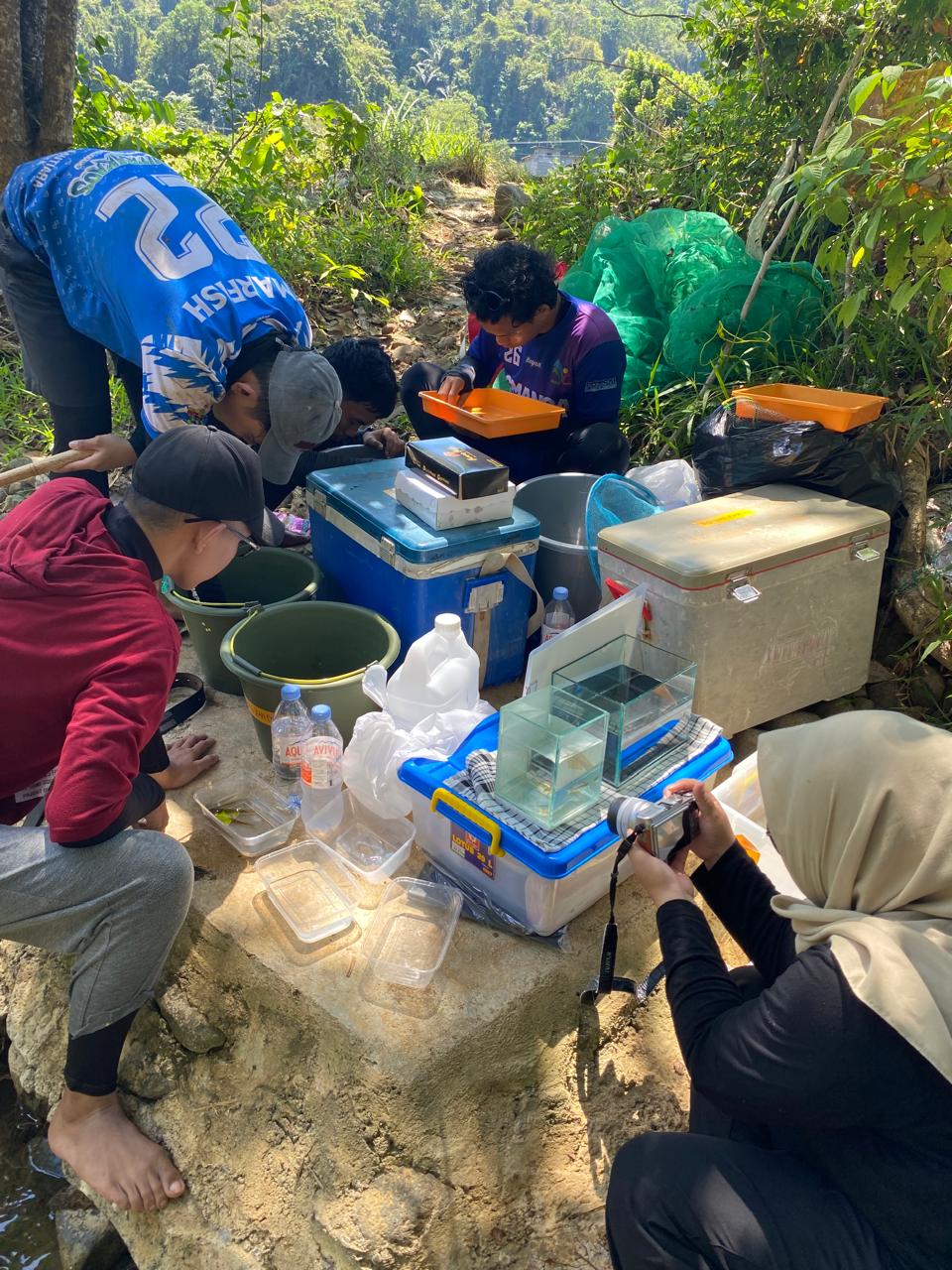
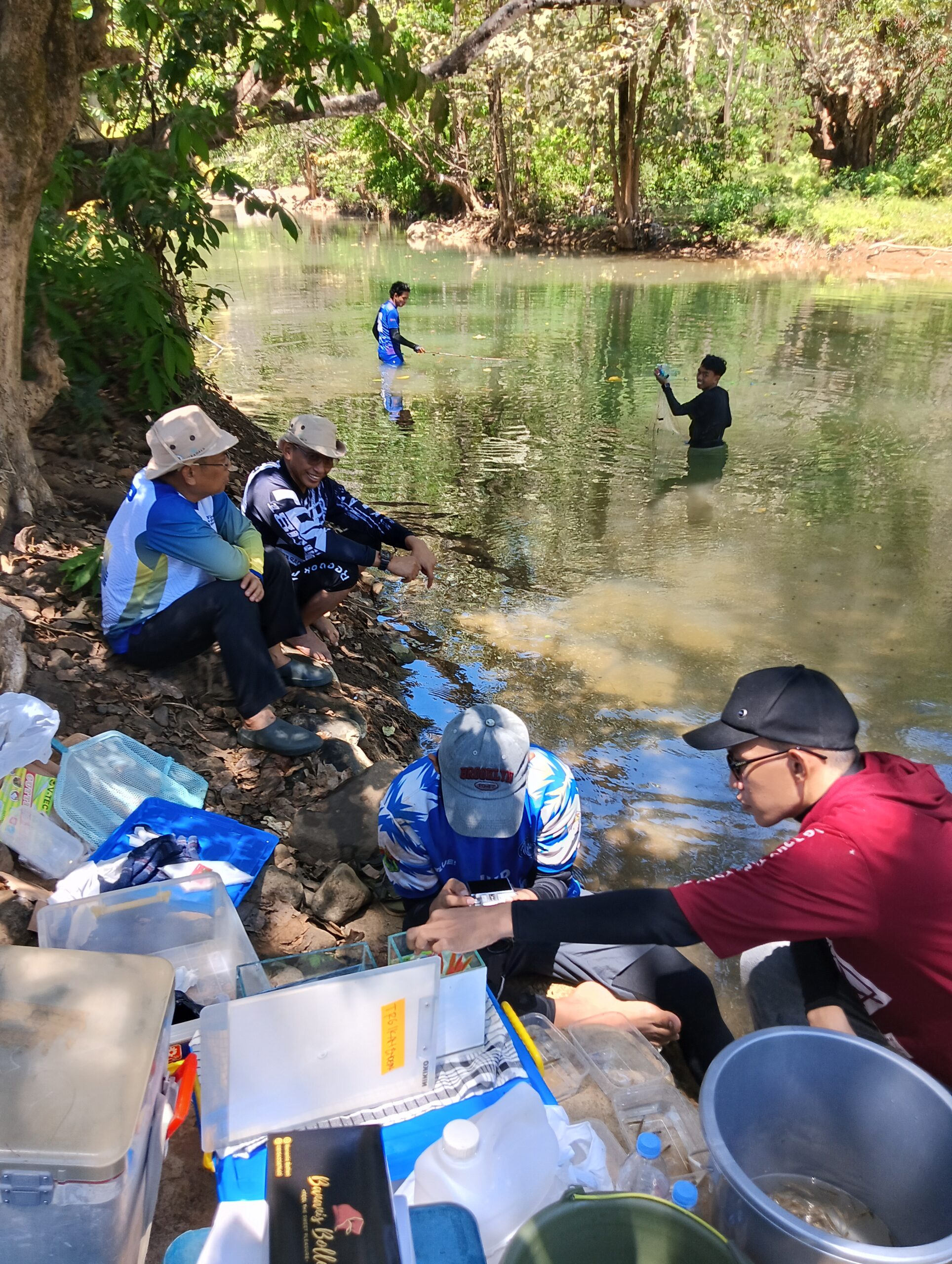
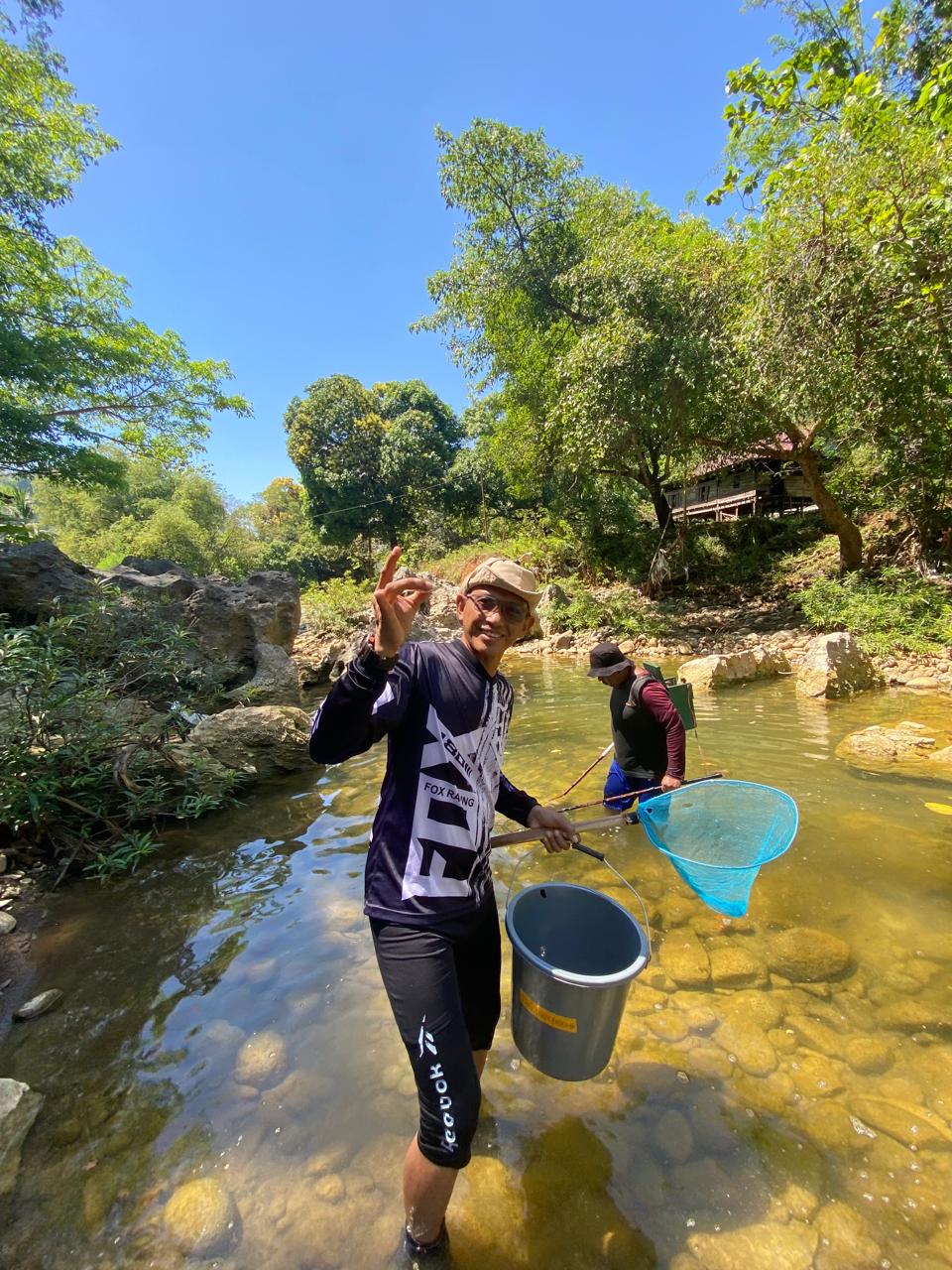
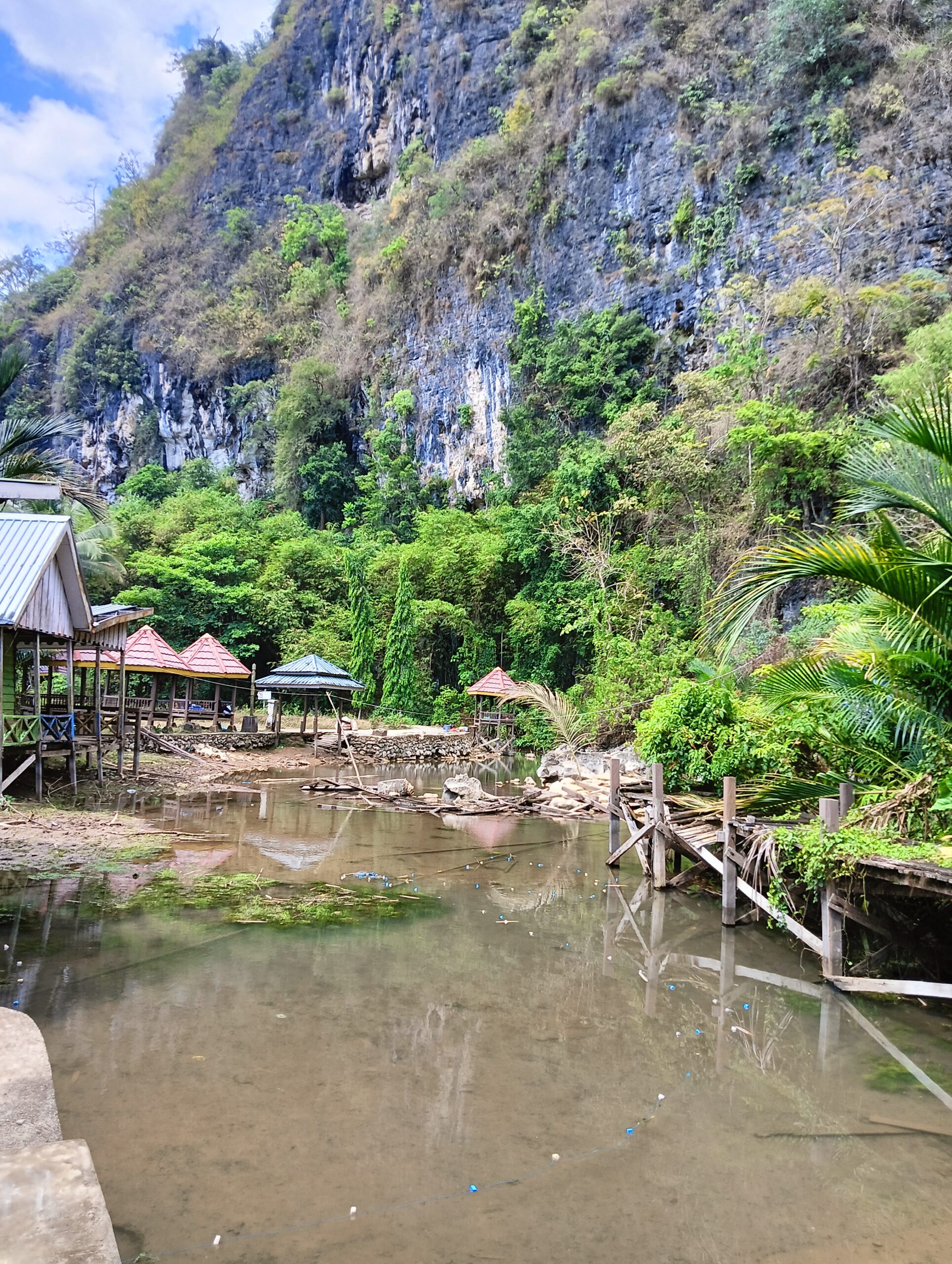
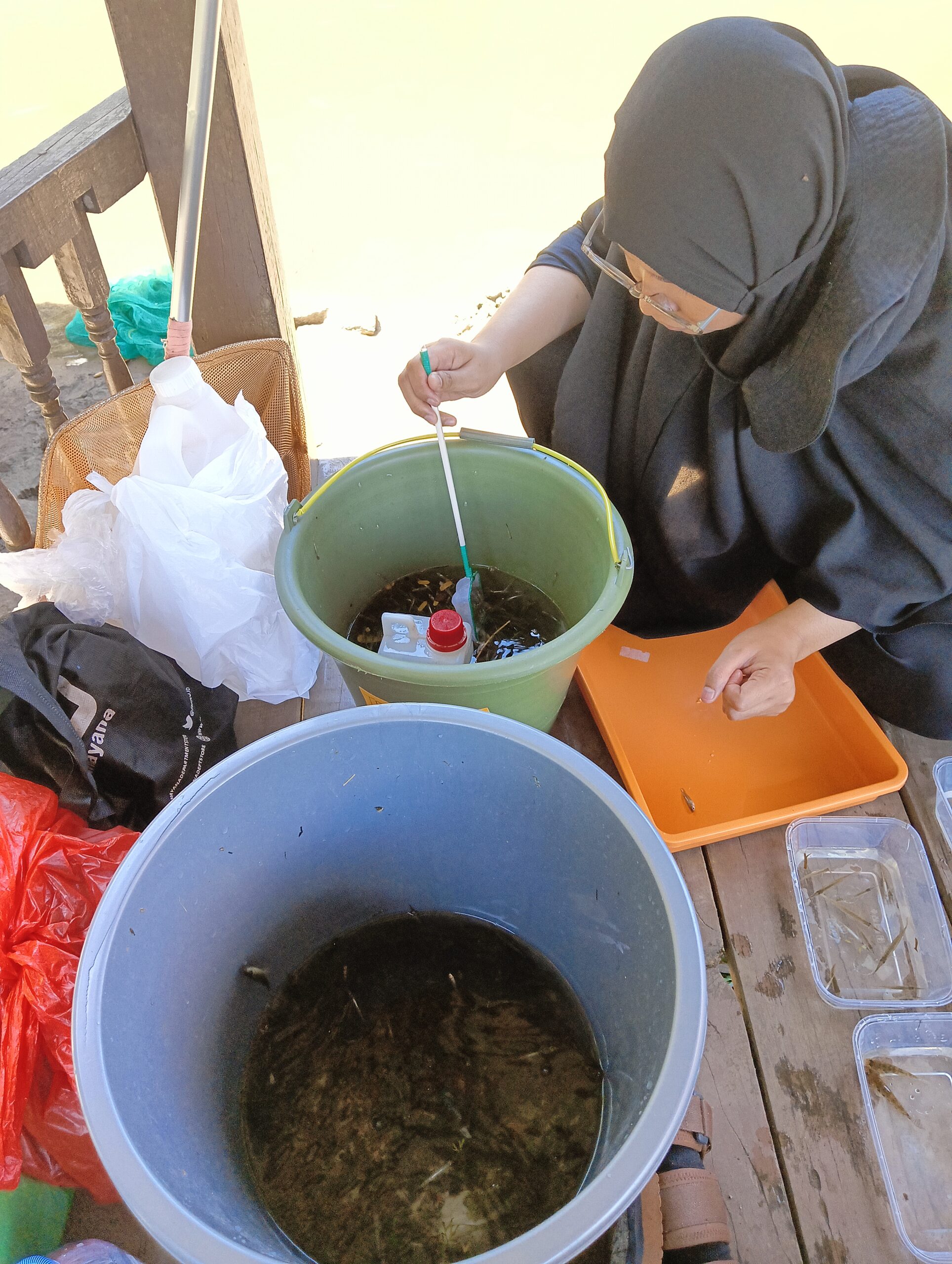
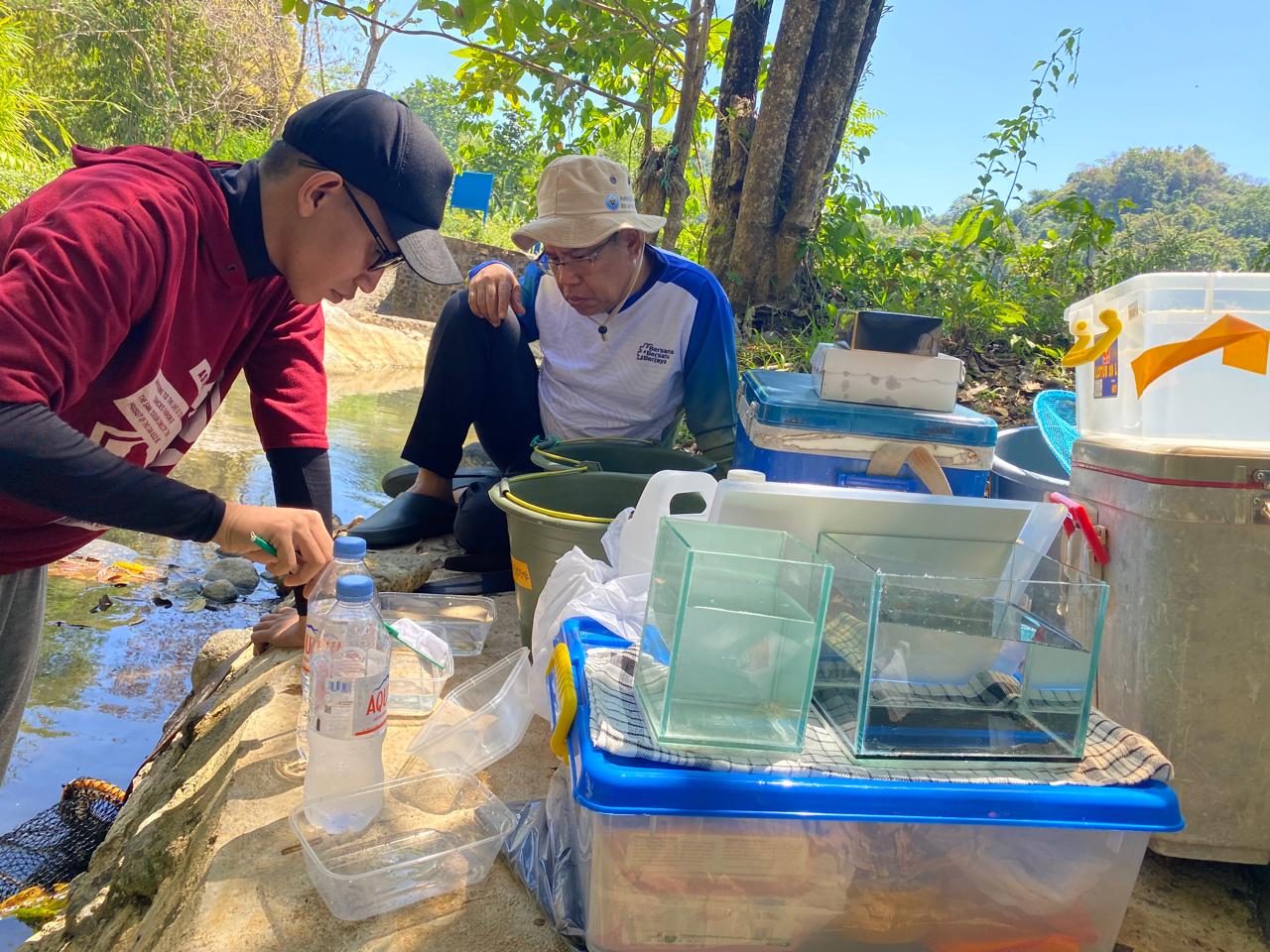
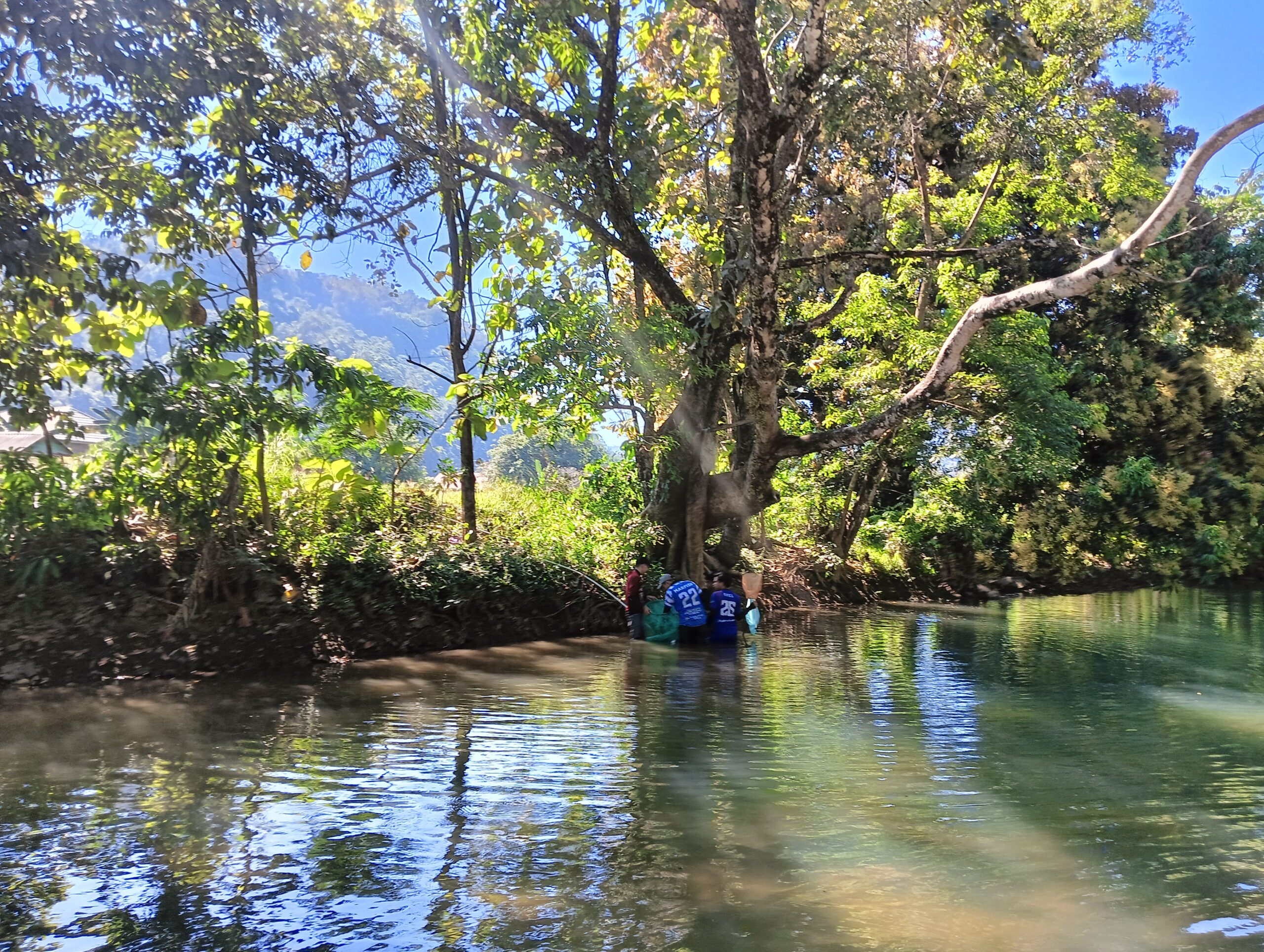
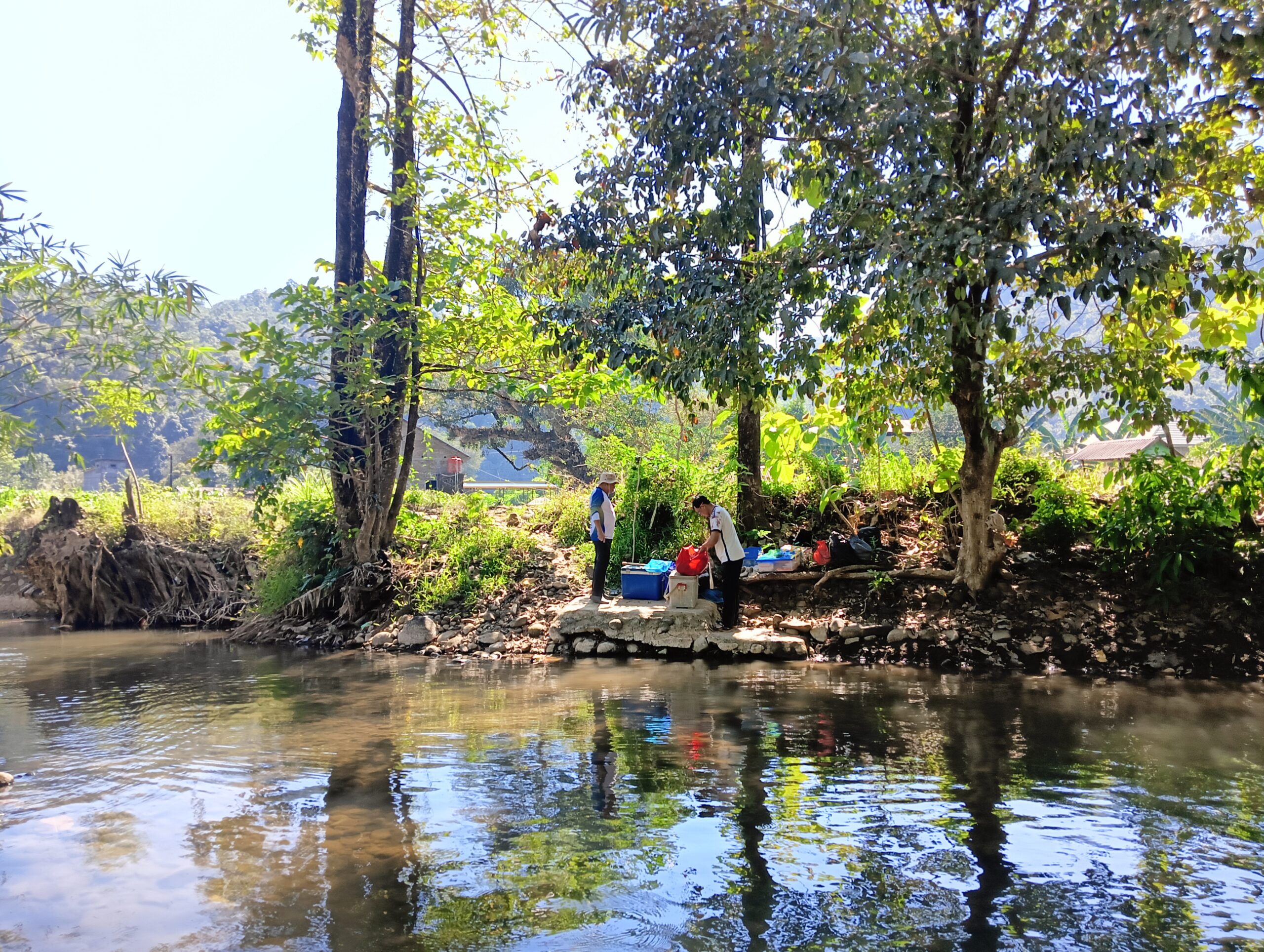
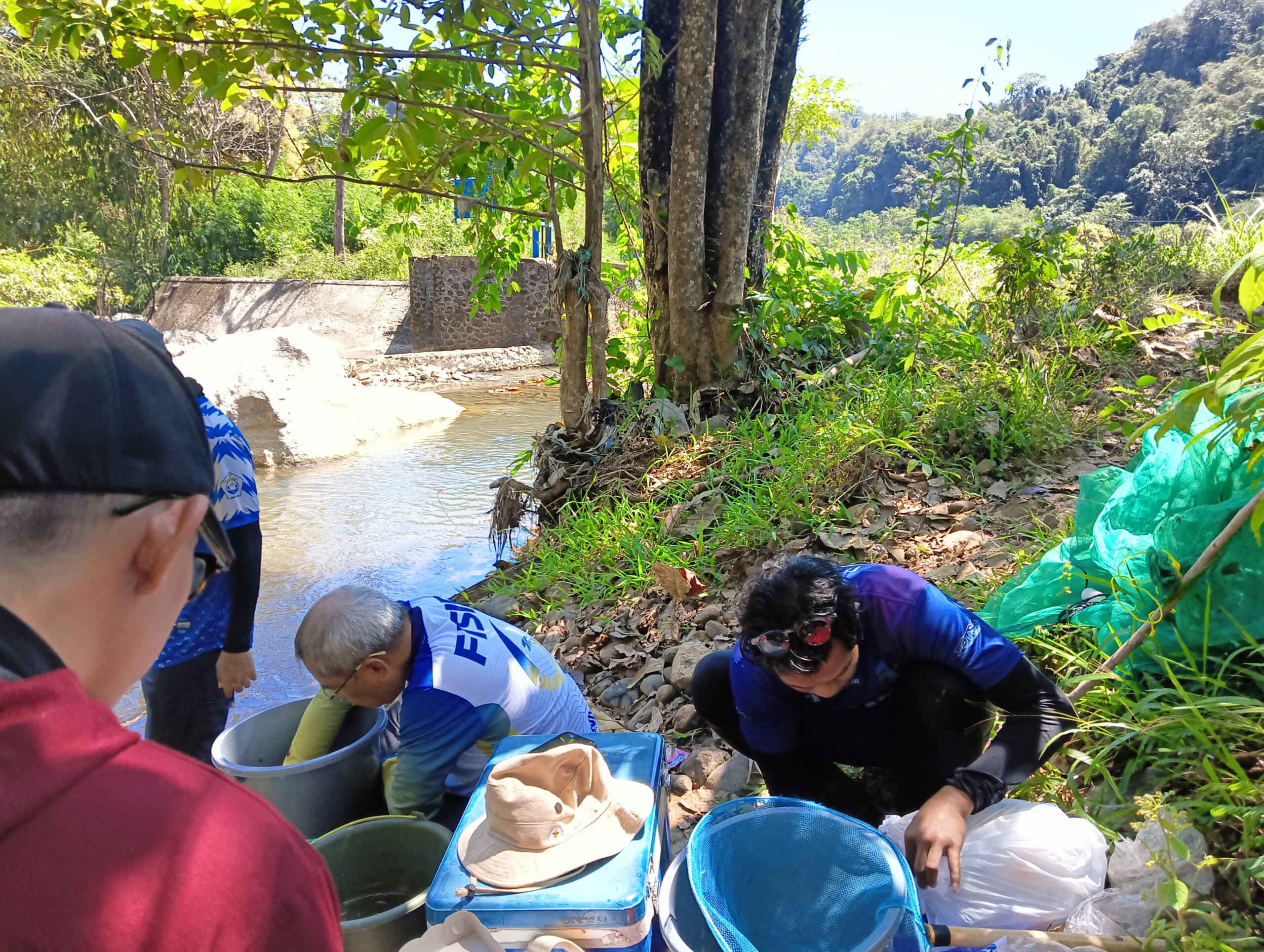
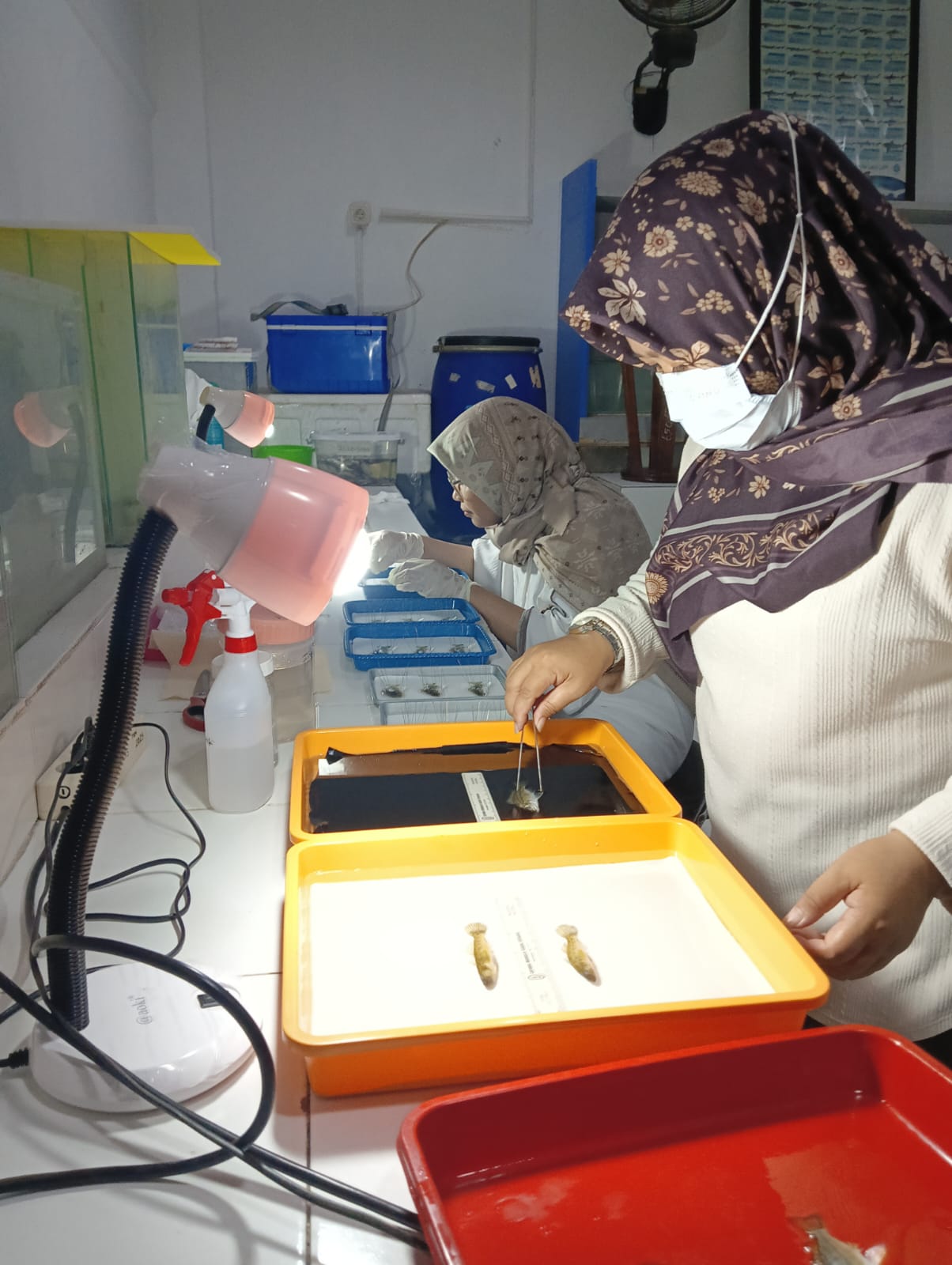
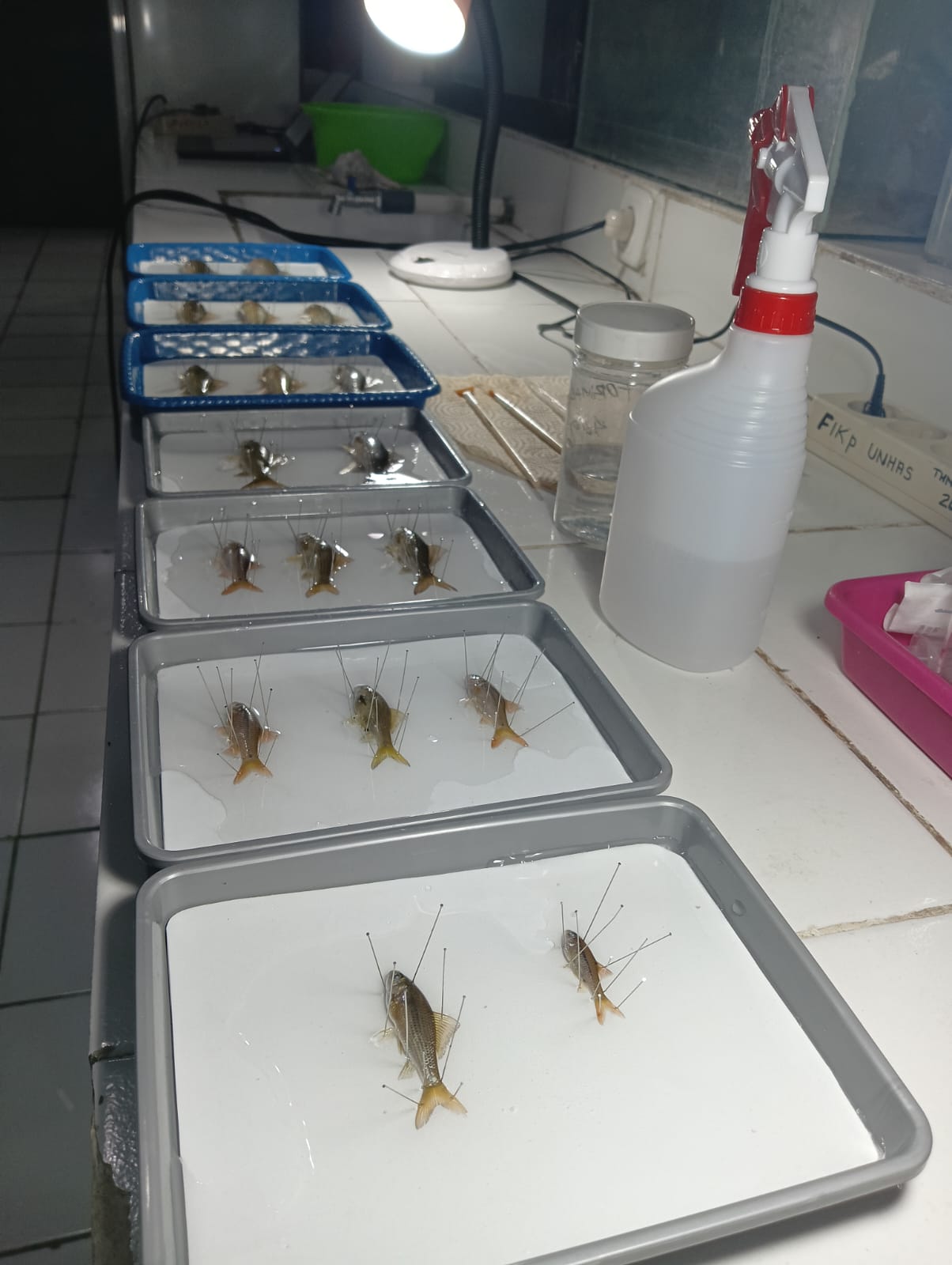
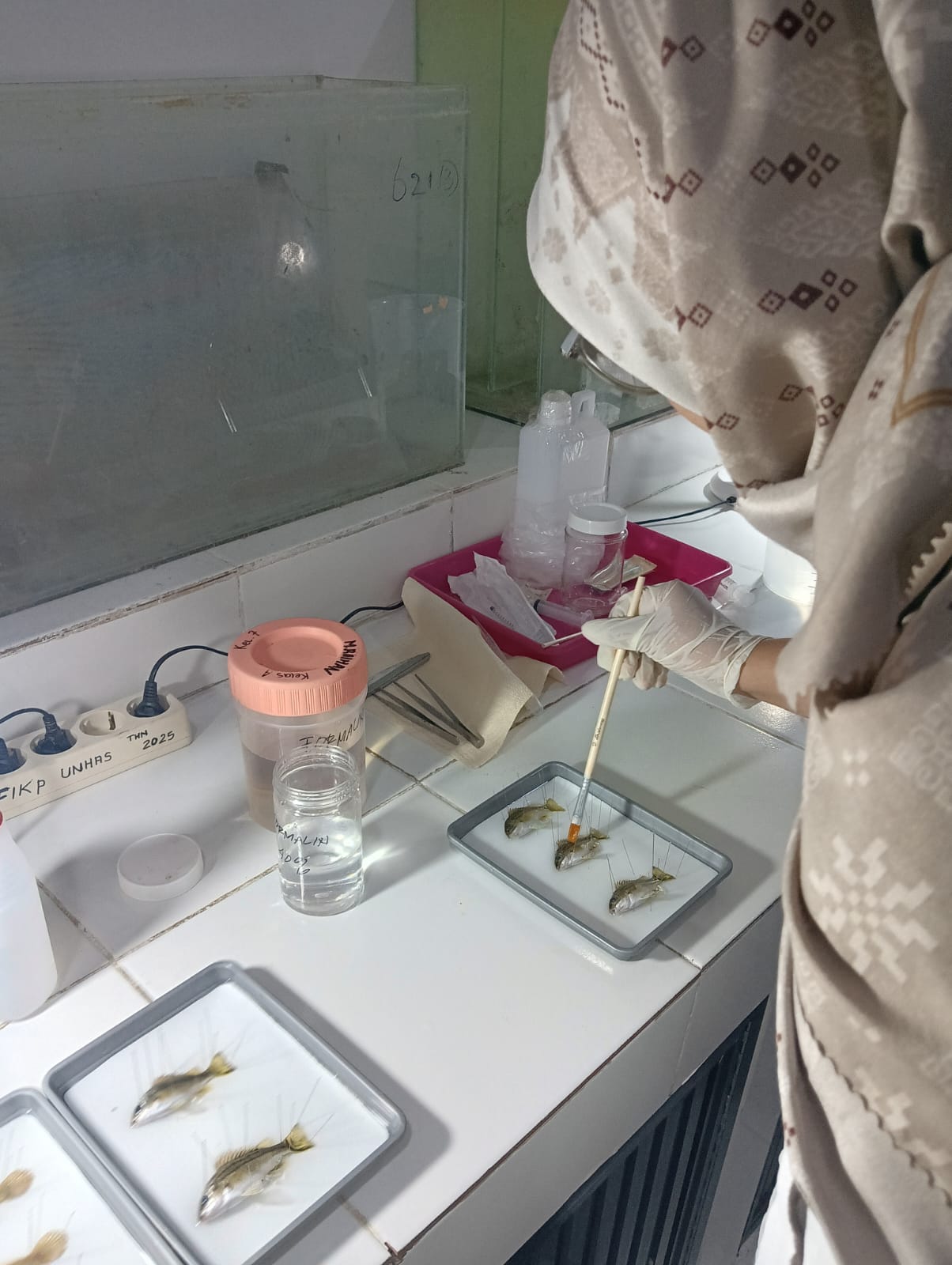
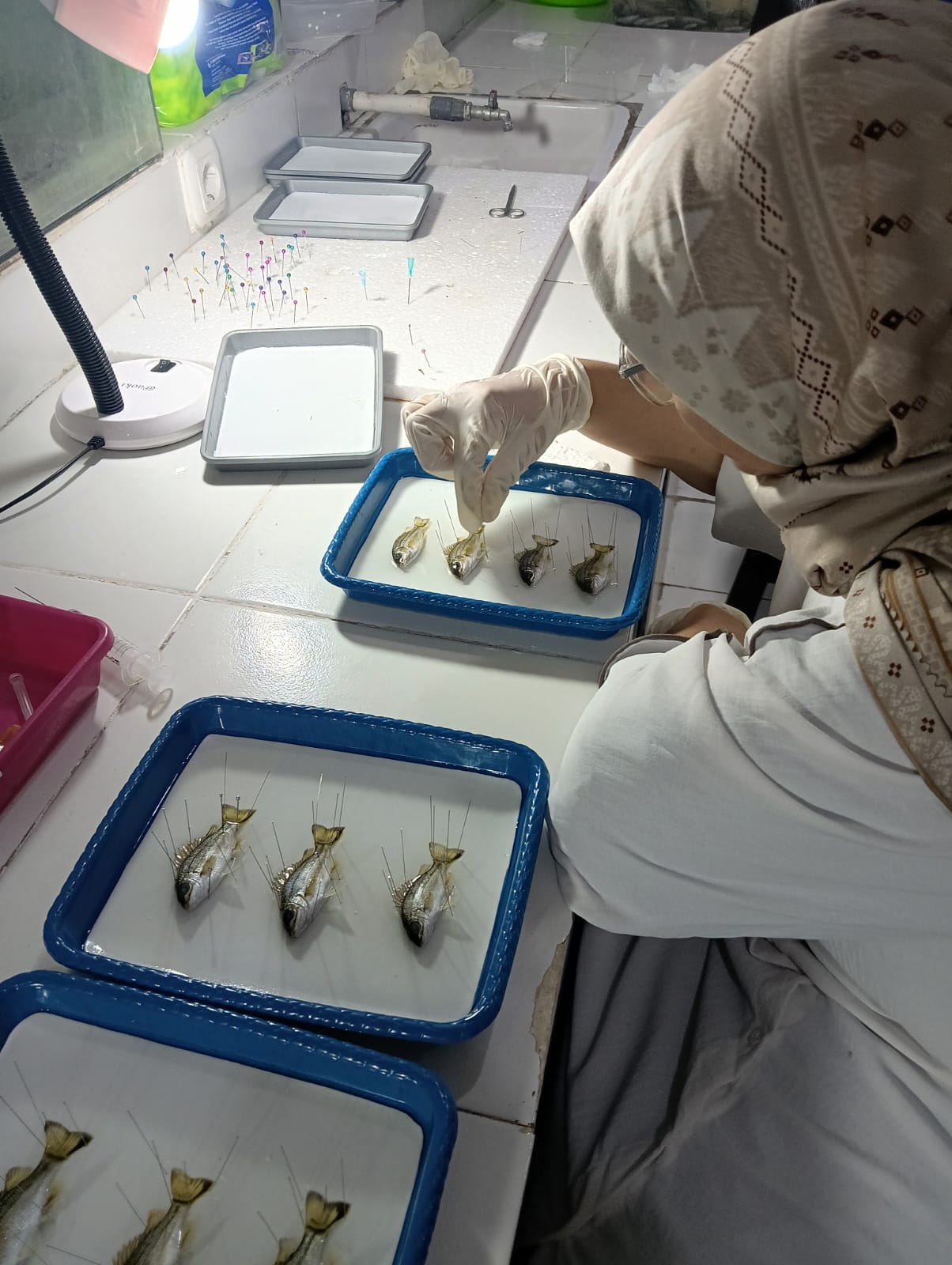
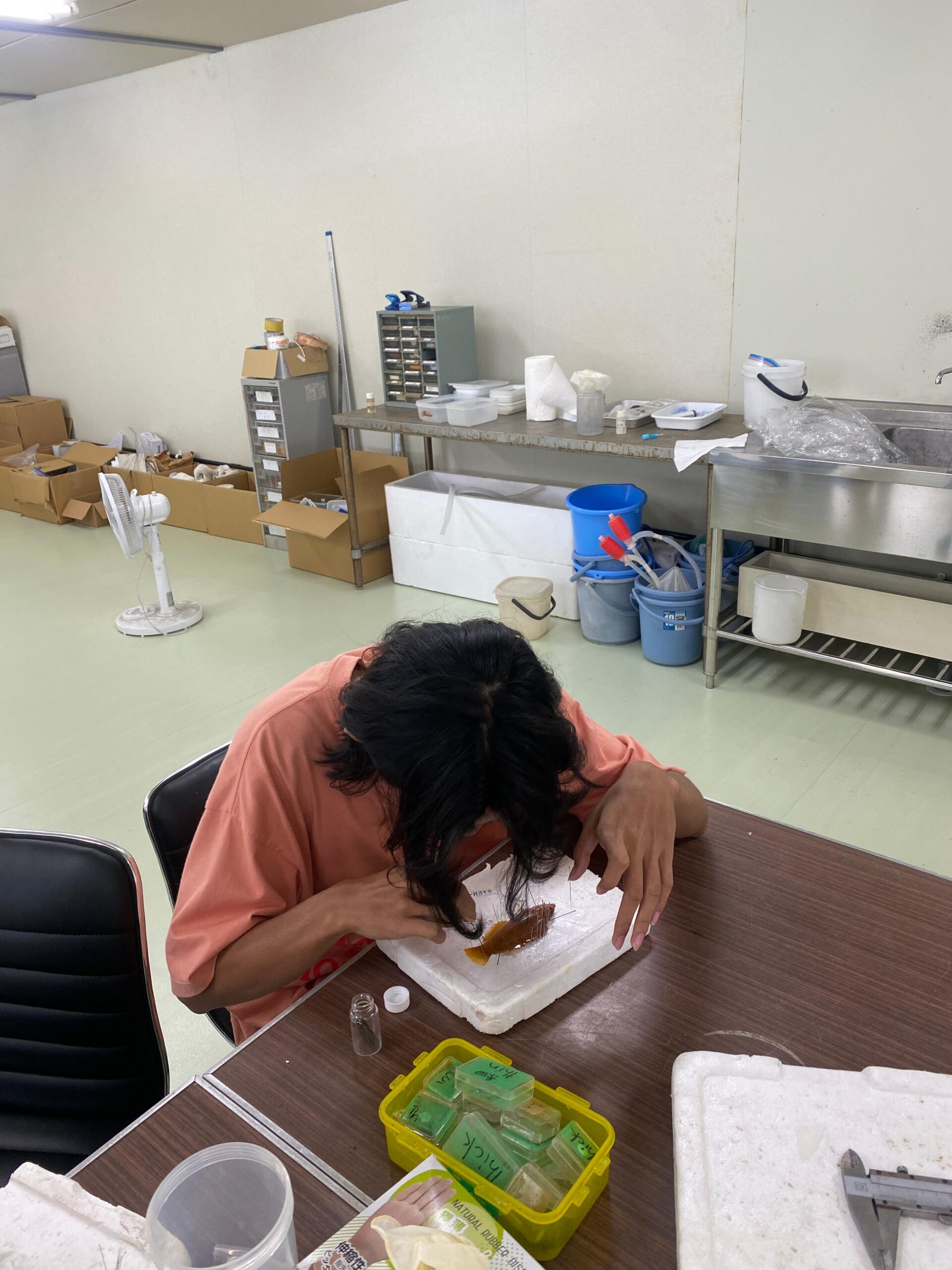
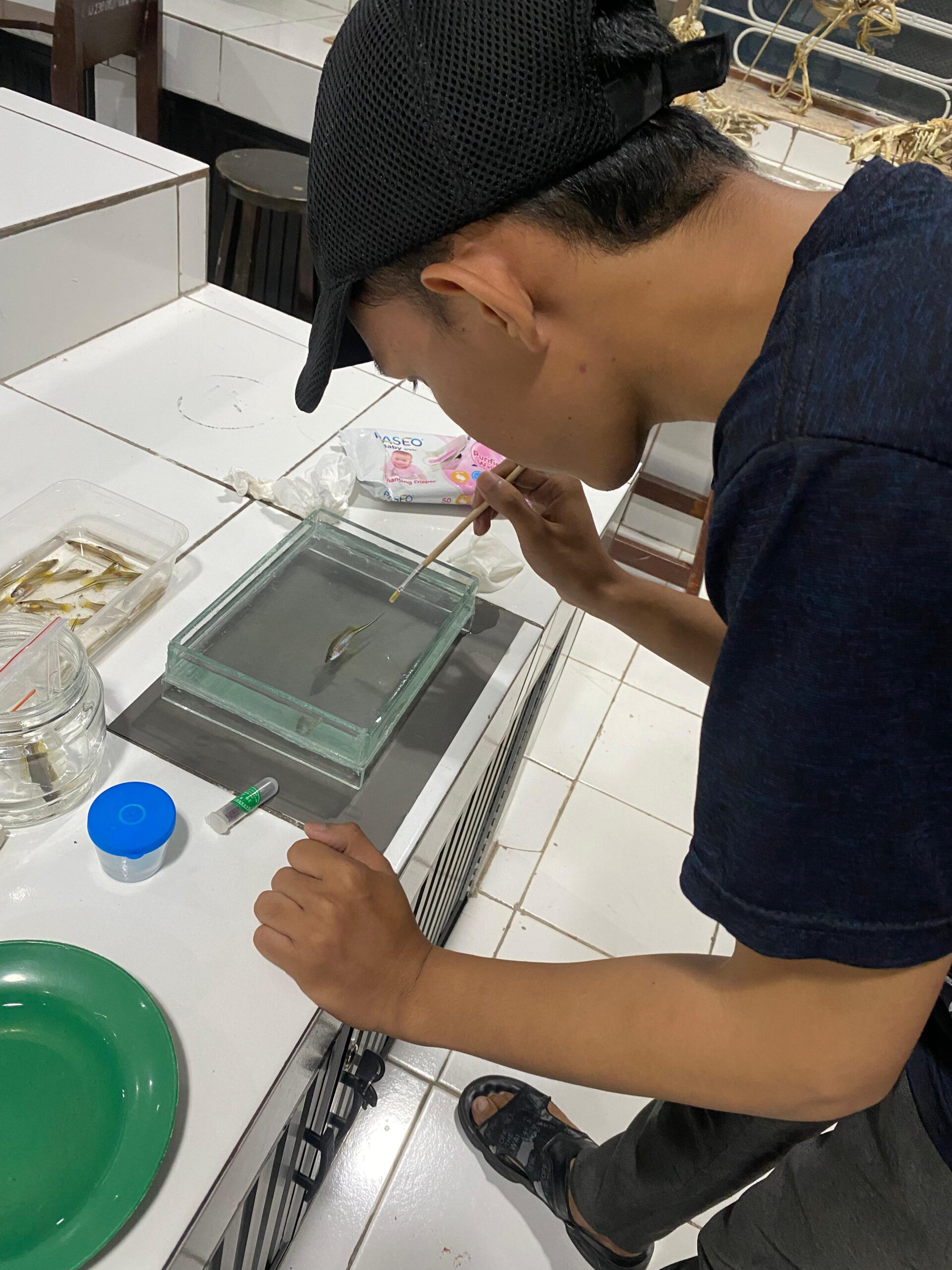
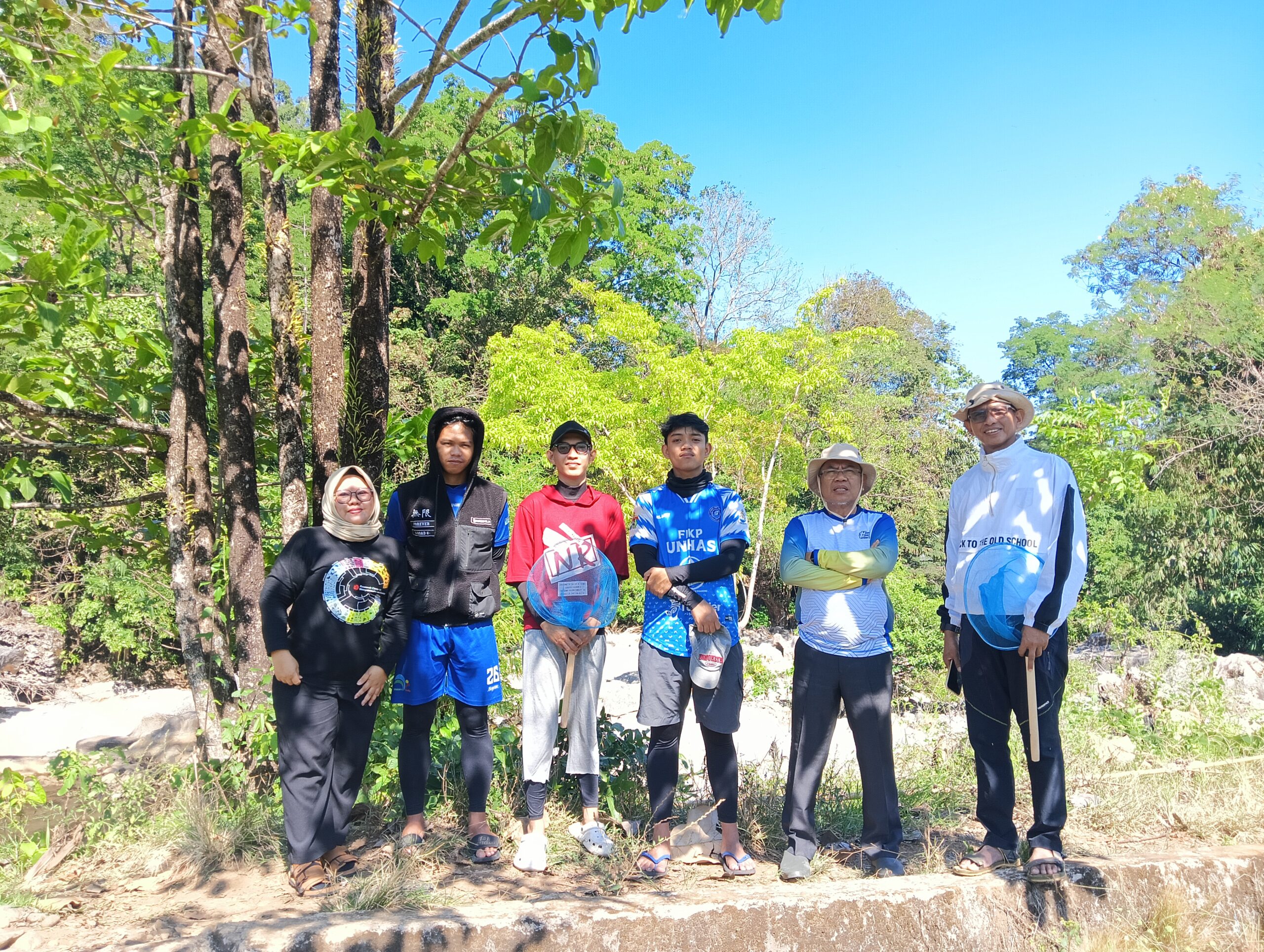
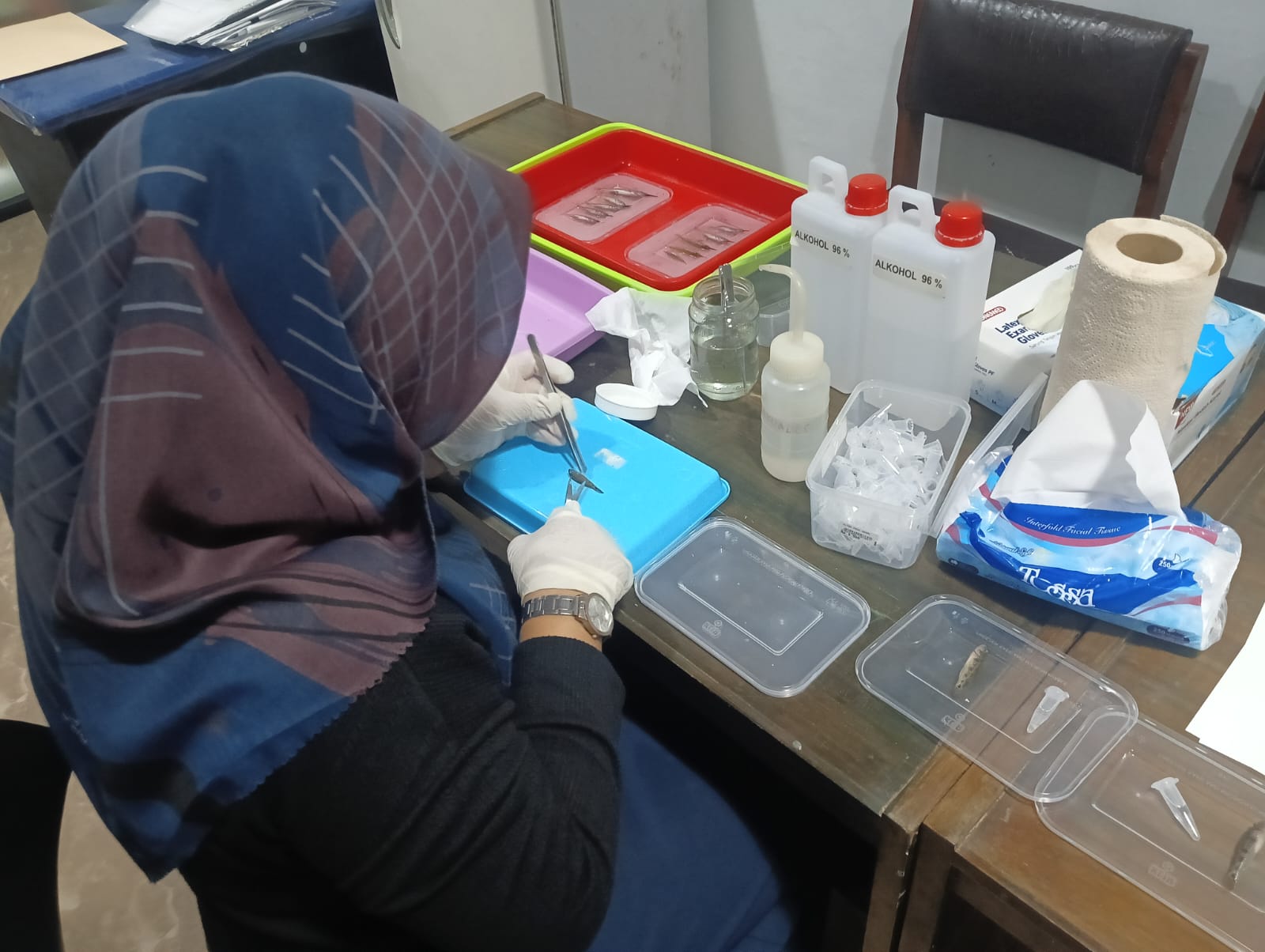
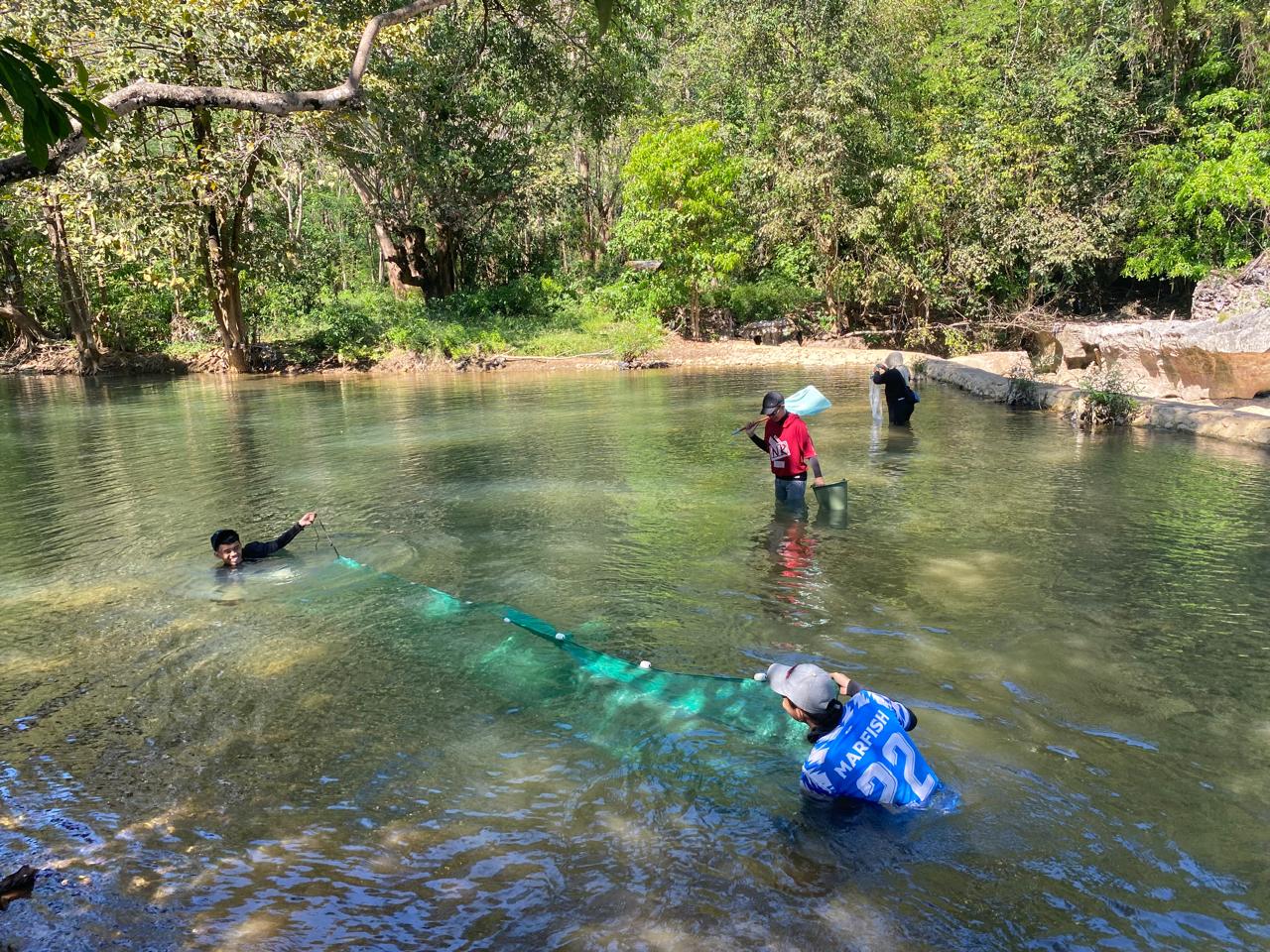
The Maros–Pangkep Karst region in South Sulawesi represents one of the largest and most complex tropical karst systems in Indonesia, characterized by a network of caves, underground rivers, and karst lakes that create a unique aquatic ecosystem. These distinctive environmental conditions make the area a potential habitat for various freshwater fish species, including several endemic taxa that remain poorly studied. However, scientific data on the diversity, phylogenetic relationships, and distribution patterns of fish in this karst landscape are still very limited. This study aims to examine the biosystematics and biogeography of fish species inhabiting the Maros–Pangkep Karst area. Using an integrative approach that combines morphological and molecular analyses, the research seeks to identify and describe fish species, determine their phylogenetic relationships, and understand their distribution patterns and the environmental factors influencing them. The main research questions addressed include: What are the biosystematic characteristics of fish species in karst aquatic ecosystems?, How are the biogeographical patterns and habitat distributions structured?Which environmental factors play key roles in shaping these distribution patterns? The findings are expected to provide a deeper understanding of fish biodiversity within the karst region, which holds high scientific and conservation value. The data generated will serve as a critical foundation for developing conservation strategies, sustainable management of karst aquatic ecosystems, and the preservation of local fish genetic resources threatened by human activities such as limestone mining, land-use change, and water pollution. Overall, this study contributes not only to the advancement of fish biosystematics and biogeography in Indonesia but also supports broader efforts to conserve karst ecosystems as natural heritage essential to the sustainability of biodiversity and environmental balance.
Description
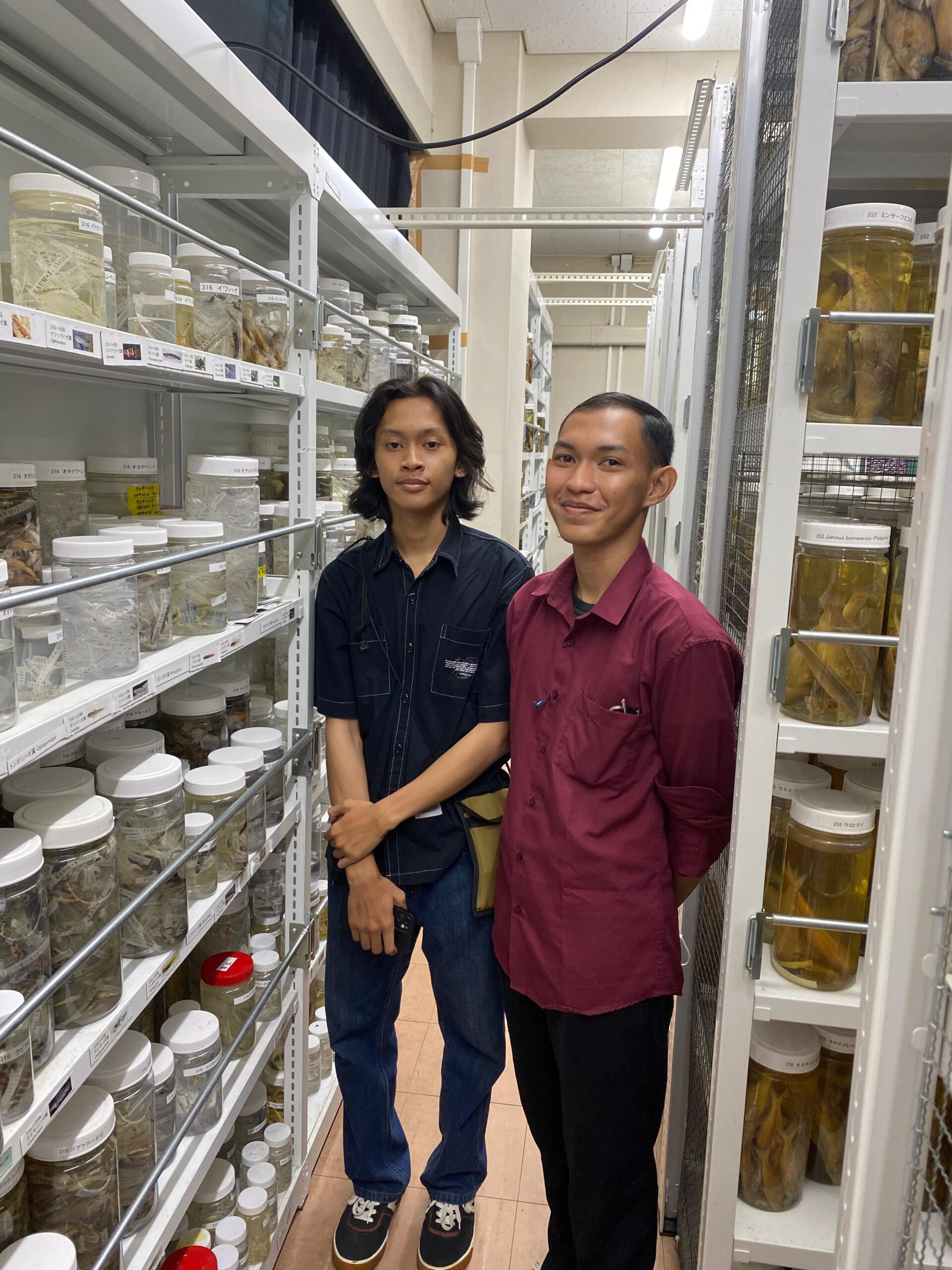
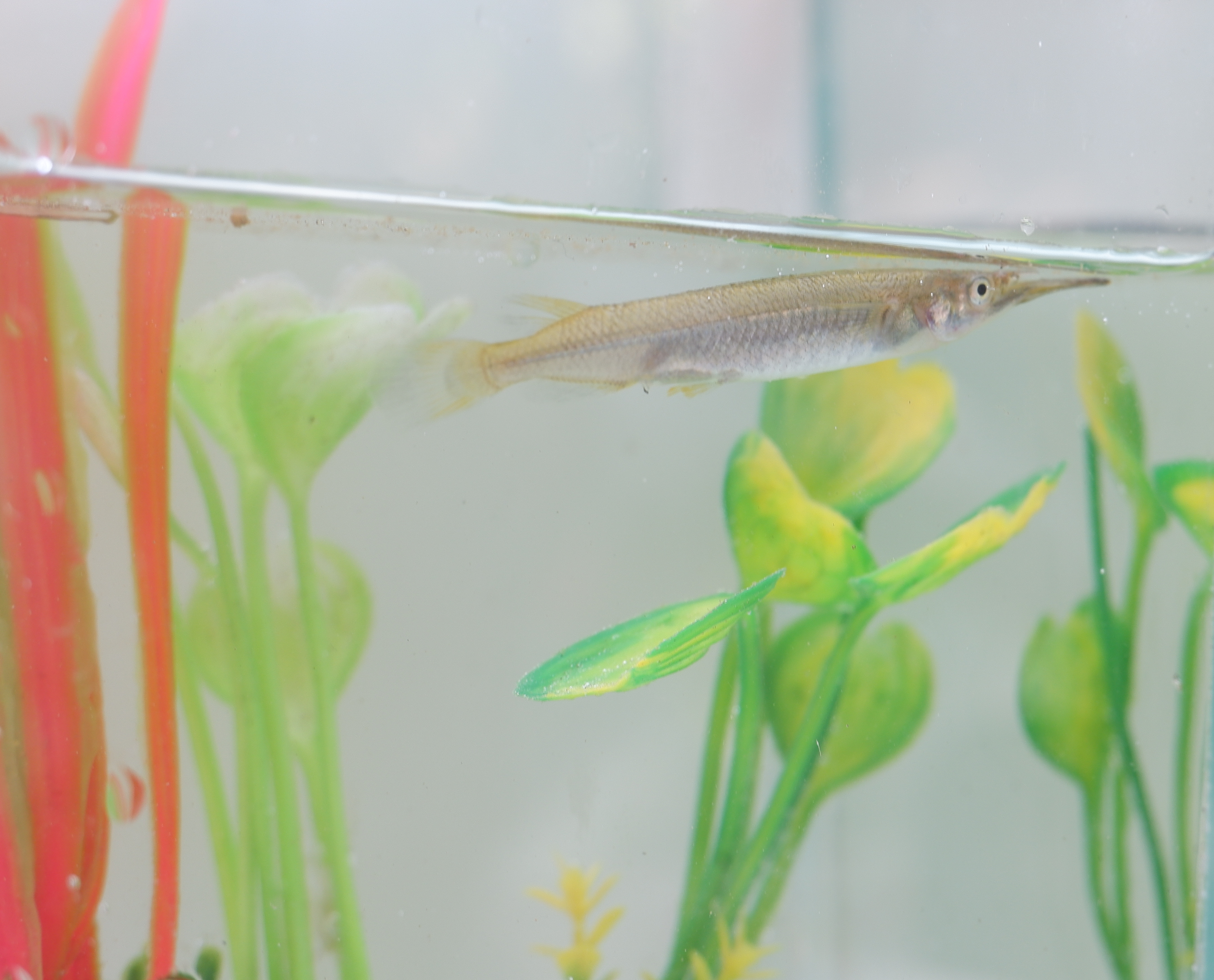
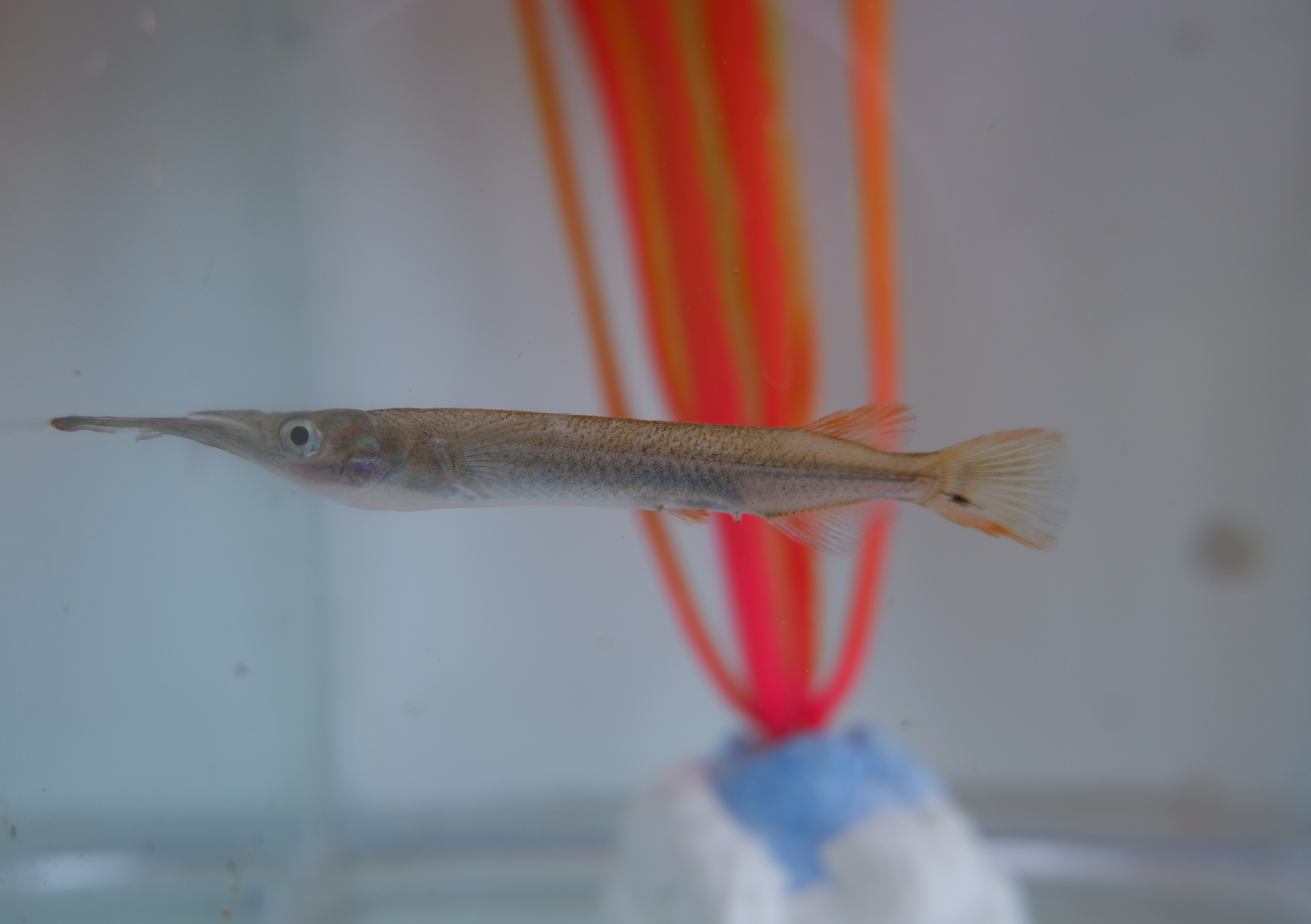
Sulawesi Island is one of the regions with the highest freshwater biodiversity in the Wallacea biogeographic zone. Its ancient lakes, river systems, and karst landscapes serve as habitats for numerous endemic fish species found nowhere else on Earth. The long evolutionary isolation and unique geological history of the island have resulted in highly distinctive ichthyofauna. However, the taxonomic status of many of these endemic species remains uncertain due to limited morphological data and the lack of comprehensive molecular and ecological studies. This uncertainty has led to overlapping identifications, misinterpretations of phylogenetic relationships, and difficulties in determining accurate conservation statuses. This study aims to re-evaluate the taxonomic status of endemic freshwater fish in Sulawesi through an integrative biosystematic approach combining morphological and molecular analyses. By conducting comparative studies on field specimens and genetic data, the research seeks to clarify species boundaries, reassess doubtful classifications, and potentially reveal new or cryptic species within the island’s freshwater ecosystems. The findings are expected to provide a more accurate understanding of the identity and phylogenetic relationships of Sulawesi’s endemic fish species, forming a strong scientific basis for conservation and sustainable management strategies. Clarifying taxonomic status is also essential for protecting vulnerable species threatened by human activities such as habitat degradation, hydrological alteration, and the introduction of non-native fish that may disrupt the natural balance of Sulawesi’s aquatic ecosystems. Overall, this research represents an important step toward strengthening the conservation of Wallacea’s unique biodiversity through a comprehensive scientific approach. It also contributes to advancing the taxonomy of Indonesia’s freshwater fishes, many of which still await proper documentation and systematic study.
Description
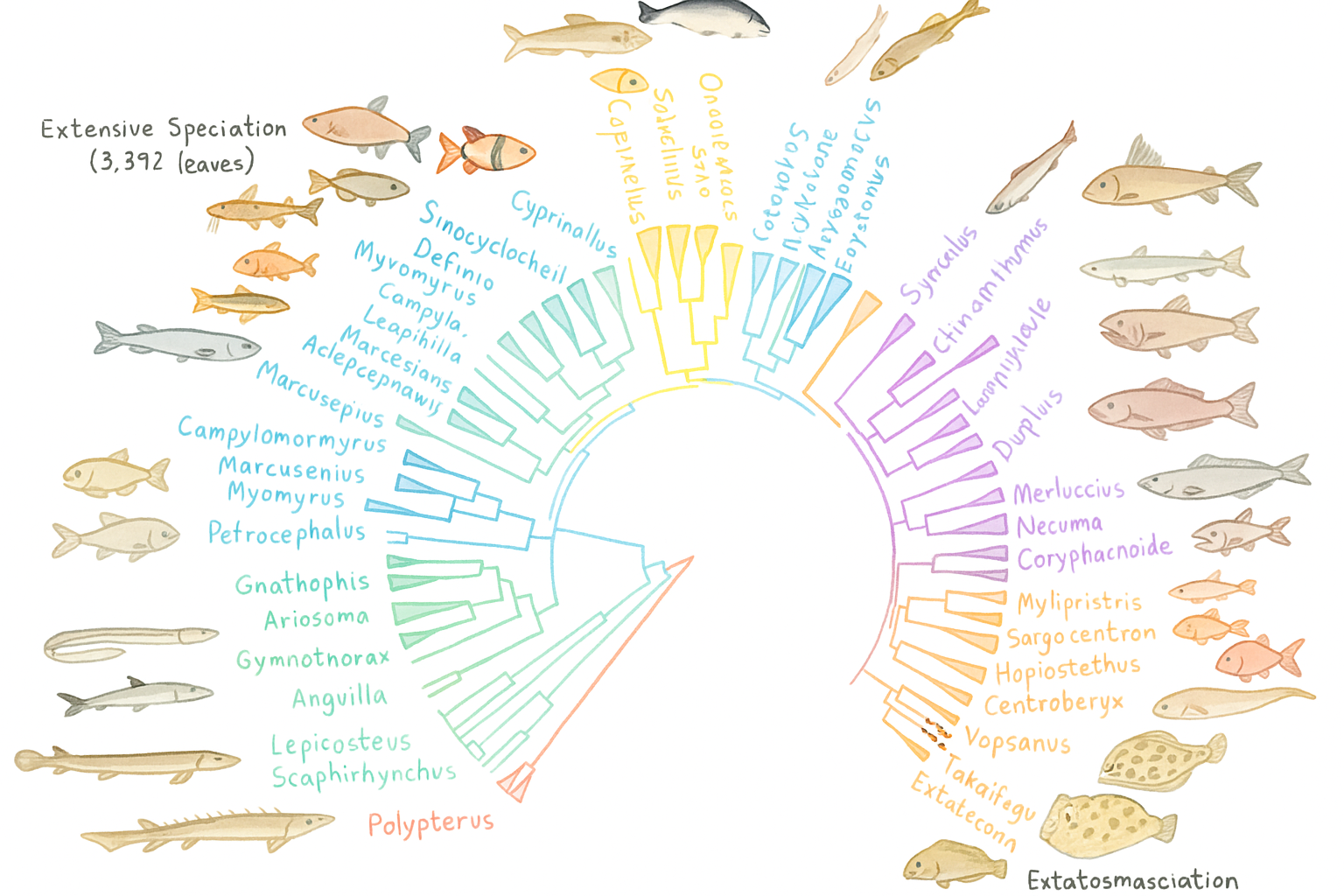
Indonesia’s endemic freshwater fishes, particularly those inhabiting isolated ecosystems such as ancient lakes, mountain streams, and karstic waters, represent an invaluable component of the nation’s biodiversity. Many of these species have evolved over long periods of isolation, adapting uniquely to their environments. However, the taxonomic status of numerous endemic fishes remains uncertain due to limited morphological data, high intraspecific variation, and a lack of comprehensive molecular analyses. This uncertainty presents major challenges in understanding their evolutionary relationships, distribution patterns, and conservation status. This research aims to investigate the biosystematics of endemic fishes using an integrative taxonomic approach, which combines morphological, molecular, and ecological analyses. By merging evidence from morphometric measurements, DNA barcoding, and habitat observations, this study seeks to generate a holistic understanding of species characteristics, phylogenetic relationships, and evolutionary adaptations. The research also aims to reassess the identity of certain taxa and potentially discover new or cryptic species that have not yet been scientifically described. The outcomes of this study are expected to strengthen the scientific foundation of fish taxonomy in Indonesia and to provide essential references for the conservation of endemic species threatened by habitat degradation, land-use changes, and the introduction of non-native species. Furthermore, this research contributes to a deeper understanding of the biogeographical history and evolutionary processes shaping freshwater fish diversity in tropical ecosystems, offering valuable insights for sustainable aquatic biodiversity management. Overall, this study represents a significant contribution to the advancement of modern biosystematics in Indonesia. By applying an integrative taxonomic framework, it bridges the disciplines of biodiversity, evolution, and conservation supporting efforts to document and protect the unique ichthyofaunal heritage of the Indonesian archipelago.
Description
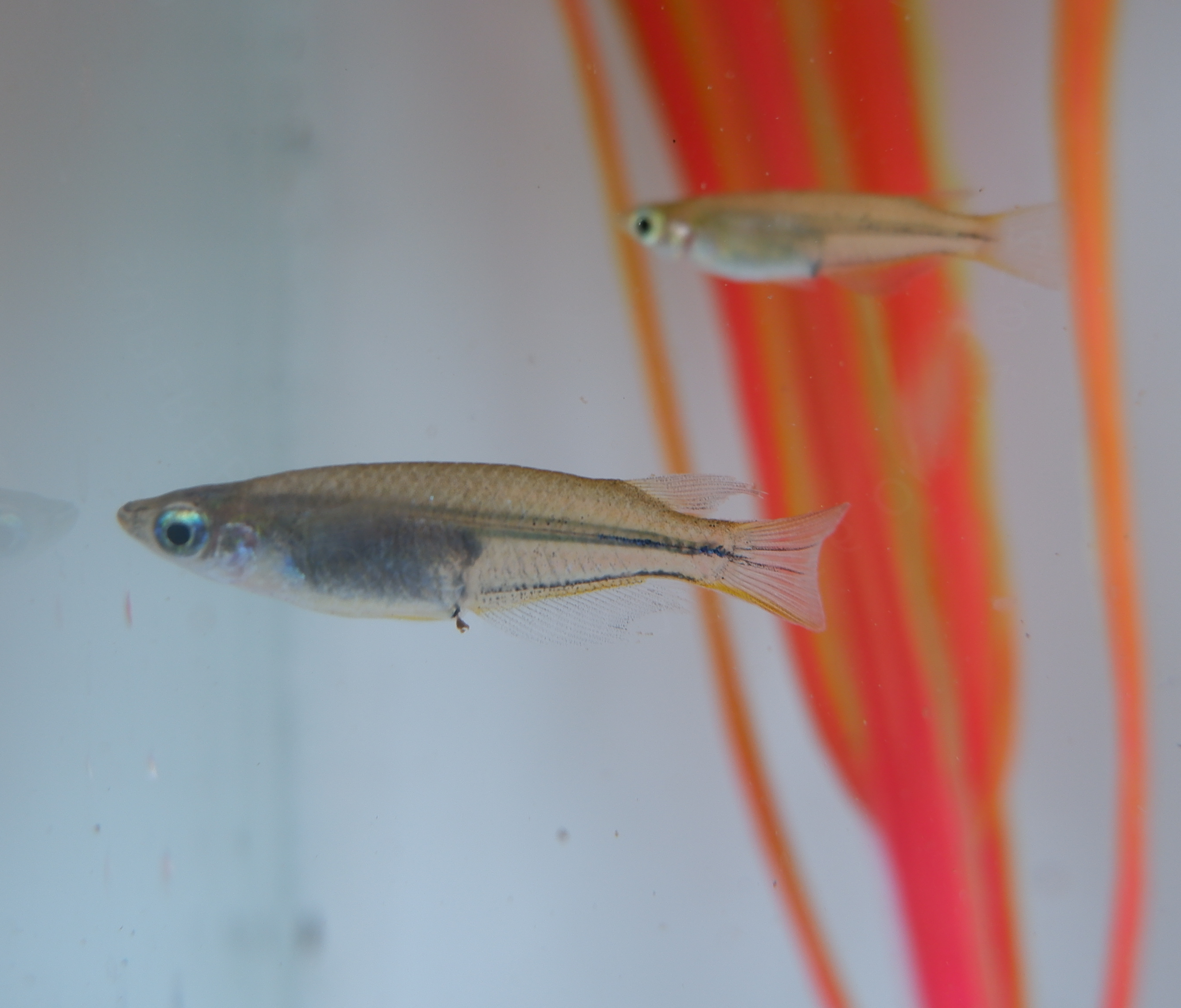
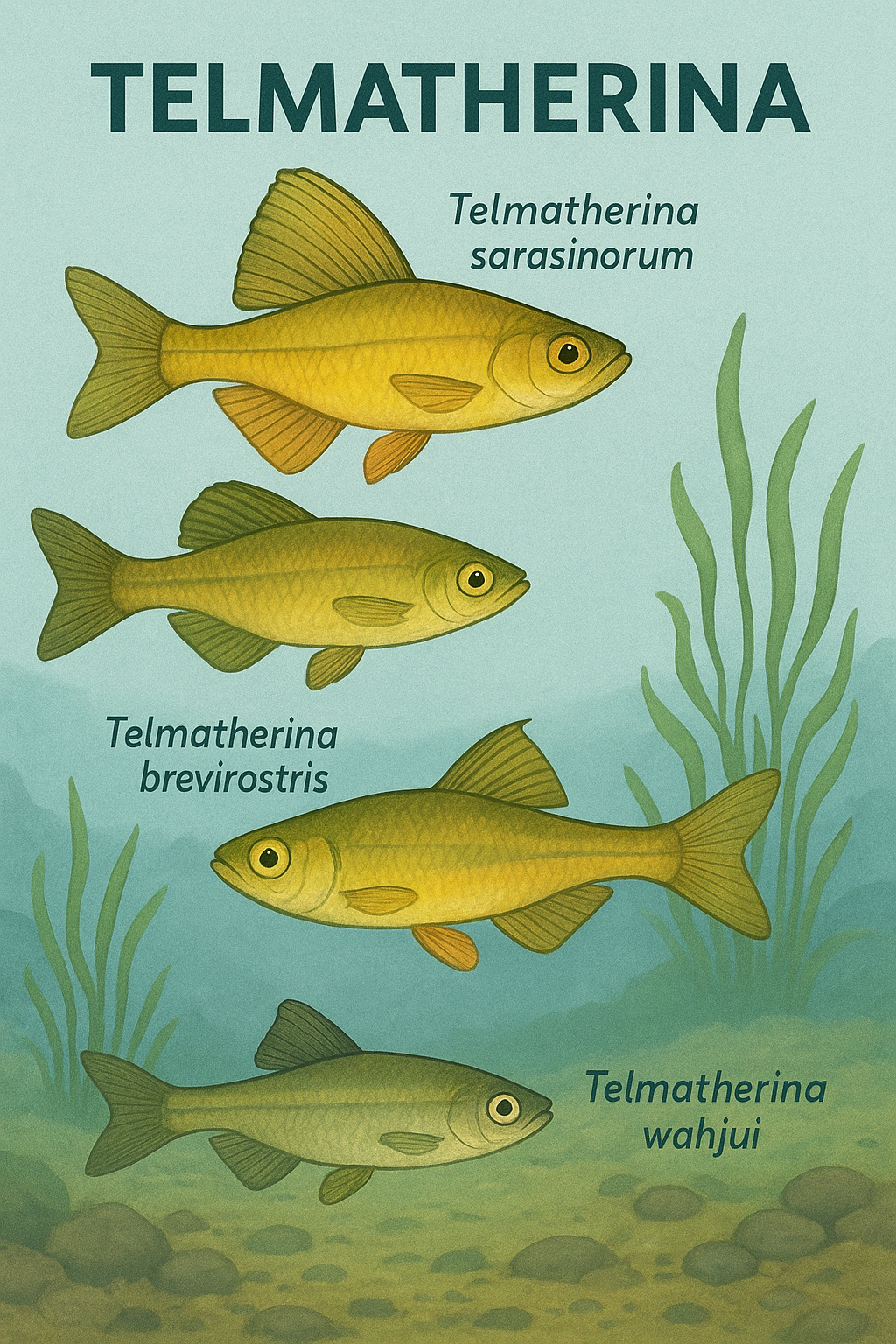
Lake Towuti, the largest lake within the Malili Lake system in South Sulawesi, is one of the world’s ancient tectonic lakes. Its great depth, expansive area, and unique physicochemical characteristics create a distinctive aquatic environment that supports a remarkable assemblage of endemic fish species that have evolved in long-term geographic isolation. The lake’s clear and stable waters have facilitated the diversification of several fish groups, particularly from the families Telmatherinidae (sailfin silversides) and Adrianichthyidae (Oryzias). However, increasing anthropogenic pressures such as nickel mining, land-use changes around the watershed, and unsustainable fishing practices pose significant threats to the ecological balance of this fragile ecosystem. Despite its scientific importance, updated data on the taxonomy, distribution, and population status of endemic fishes in Lake Towuti remain limited, underscoring the need for continued field-based exploration and assessment. This research aims to explore and document the diversity of endemic fish species in Lake Towuti through a biosystematic approach integrating morphological, molecular, and ecological observations. Field surveys were conducted across several key habitats to identify existing species, examine environmental parameters influencing their distribution, and assess potential threats to endemic fish populations. Beyond generating updated taxonomic and ecological data, the study also seeks to provide a scientific foundation for the conservation and sustainable management of Lake Towuti’s aquatic ecosystem. This activity is part of a continuing research initiative by the Endemic Fishes Research Group (ENFISH) at Hasanuddin University, which focuses on advancing the study and conservation of Sulawesi’s unique freshwater fish diversity.
Description
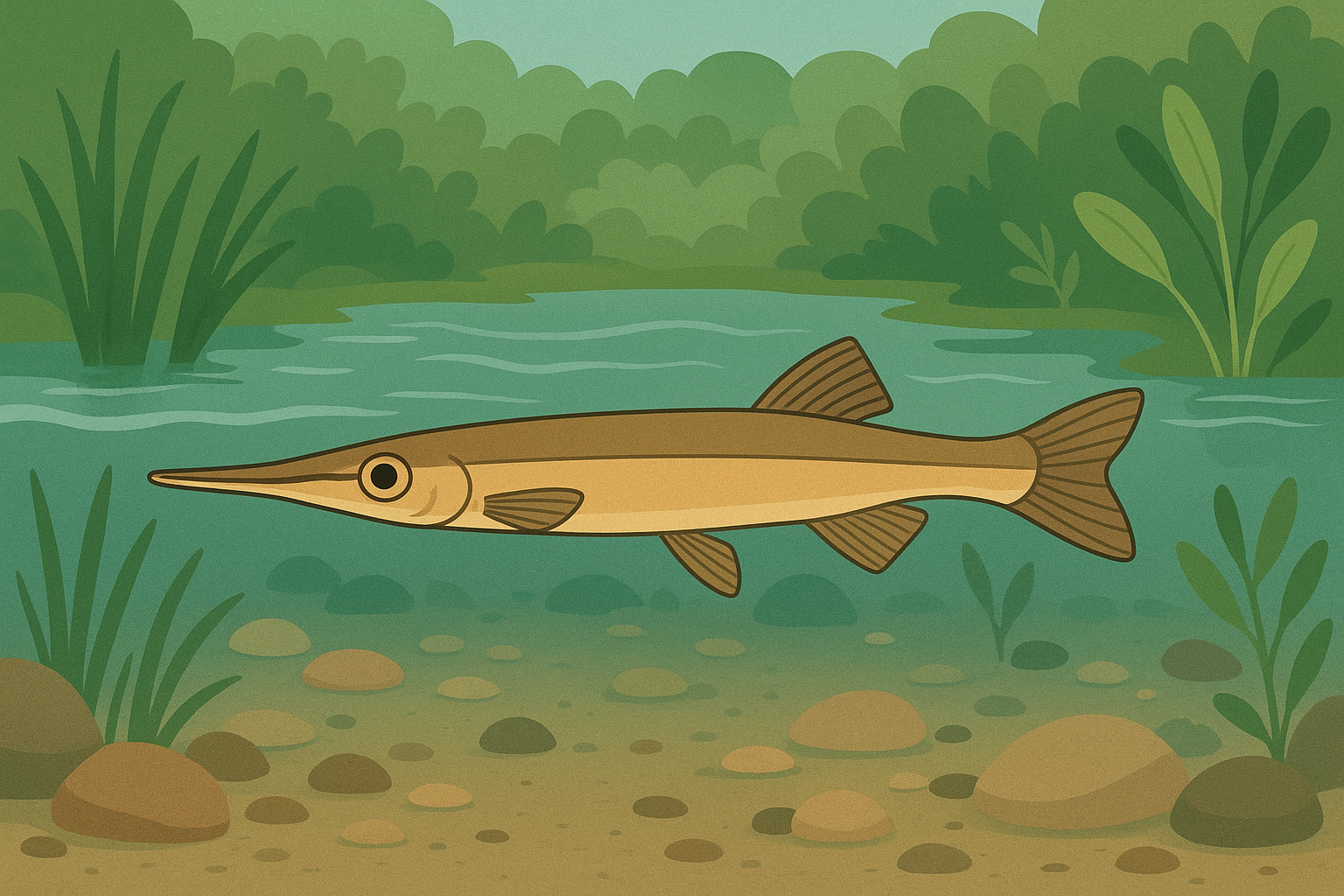
Lake Matano, located in East Luwu Regency, South Sulawesi, is one of the deepest tectonic lakes in Indonesia and part of the Malili Lake System recognized as one of the key centers of endemic fish diversity within the Wallacea region. Its stable aquatic environment, exceptional water clarity, and long geological history make Lake Matano a natural laboratory for studying evolutionary processes and species diversification. Previous studies have revealed that this lake harbors a remarkable array of endemic fish species found nowhere else in the world, particularly from the families Telmatherinidae (sailfin silversides) and Adrianichthyidae (Oryzias). However, increasing anthropogenic pressures such as mining activities, pollution, and land-use changes around the watershed have raised serious concerns about the sustainability of this unique ecosystem. Updated data on fish diversity, taxonomic status, and habitat conditions remain limited, highlighting the need for comprehensive field-based studies to provide an accurate and current understanding of the system. This exploratory research aims to identify and document the endemic fish species of Lake Matano through a biosystematic approach that integrates field observations, morphological examination, and genetic sampling. The study involves collecting data on fish morphology, genetic materials, and key environmental parameters to support integrative taxonomic and biogeographic analyses. Additionally, this research seeks to map the distribution of endemic species, assess habitat conditions, and identify potential threats to the long-term survival of local fish populations. The findings from this exploration are expected to serve as a scientific foundation for conservation and sustainable management of the Lake Matano ecosystem while enriching the biodiversity database for Sulawesi’s freshwater systems. This study is part of the ongoing research initiatives of the Endemic Fishes Research Group (ENFISH) at Hasanuddin University, which focuses on advancing the study and conservation of Indonesia’s endemic freshwater fish diversity.