


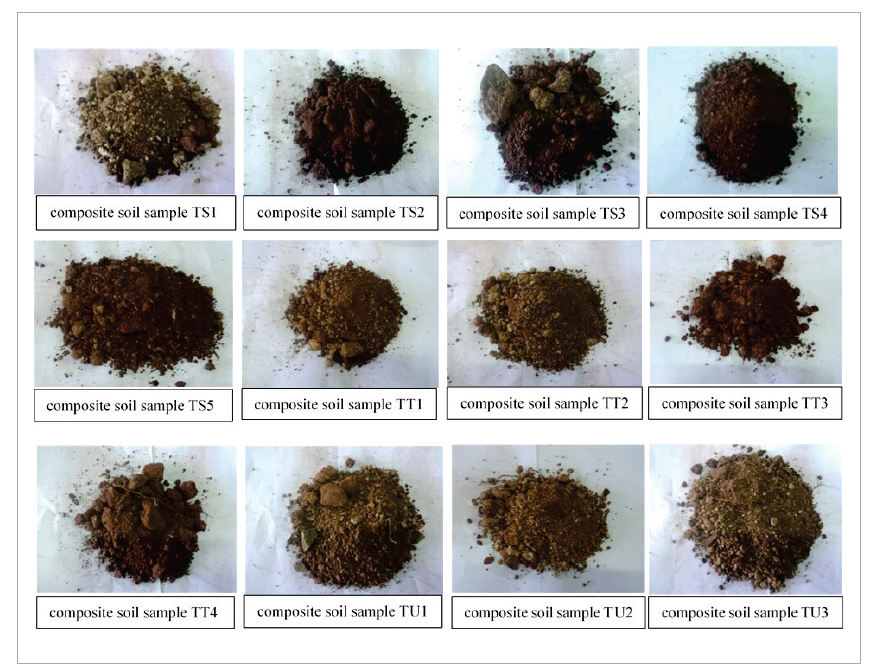
MAKASSAR, Indonesia, Jan 2026 – What happens after the minerals are gone and the mining stops? Across many regions, vast stretches of land are left barren, polluted, and unable to support life. These post-mining landscapes often resemble ecological “dead zones.” But a new scientific approach suggests that the solution to restoring these lands may lie in something incredibly small: bacteria. A recent study titled “Bacterial Potency Tests for Bioaugmentation in Post-Mining Land”, published in the Journal of Environmental Research, Engineering and Management by Kaunas University of Technology on December 15, 2025, reveals how selected beneficial bacteria can accelerate the recovery of degraded soils through a process known as bioaugmentation. Unlike conventional rehabilitation methods that rely heavily on chemical inputs or mechanical intervention, bioaugmentation uses naturally occurring microorganisms to improve soil quality. These beneficial bacteria act as microscopic workers, performing essential ecological functions that help damaged soils regain their vitality.
Nature’s Hidden Engineers So how do these bacteria actually work? In simple terms, they help “rebuild” the soil from within. Some bacterial strains are capable of breaking down toxic compounds left behind by mining activities, reducing environmental contamination. Others improve soil structure, making it more porous and easier for plant roots to penetrate. There are also bacteria that fix atmospheric nitrogen, enriching the soil with nutrients essential for plant growth. The study emphasizes that not all bacteria are equally effective. Through potency testing, researchers identify which strains perform best under specific environmental conditions. Factors such as soil composition, pH, and contamination levels play a crucial role in determining success. This targeted approach ensures that bioaugmentation is both efficient and environmentally compatible.
Supporting Global Sustainability Goals
This innovation directly contributes to SDG 15: Life on Land, which focuses on restoring degraded ecosystems and promoting sustainable land use. Post-mining land rehabilitation is a critical challenge in many parts of the world, including Indonesia. By harnessing beneficial bacteria, this method offers a sustainable pathway to restore biodiversity, improve soil fertility, and support vegetation regrowth.
Beyond environmental benefits, bioaugmentation also holds economic promise. Restored lands can potentially be reused for agriculture, forestry, or community development, turning previously unproductive areas into valuable resources. This makes the approach not only eco-friendly but also socially and economically impactful.
A Greener Path Forward
What makes bioaugmentation particularly promising is its alignment with natural processes. Instead of introducing harmful substances, it enhances what nature already does best. This reduces long-term risks and supports more resilient ecosystems. As environmental challenges continue to grow, innovations like this remind us that sustainable solutions do not always require complex technologies. Sometimes, the most effective answers come from understanding and utilizing the natural world more wisely.
Reference
DOI:
https://doi.org/10.5755/j01.erem.81.4.37520
Contact:
Prof. Fahruddin
+62 853-4264-9190
fahruddin_science@unhas.ac.id