


MAKASSAR, Indonesia, Sep 2025 – What happens to the liquid waste that seeps out of our landfills? Often invisible to the public eye, this dark, polluted liquid—known as leachate—can quietly contaminate rivers, groundwater, and surrounding ecosystems. As urban waste continues to grow, managing this hidden threat has become an urgent environmental priority. A recent study titled “Performance and Environmental Impact Assessment of Aquatic Leachate Treatment Facility at Patommo Landfill, Sidenreng Rappang Regency, Indonesia”, published in the Egyptian Journal of Aquatic Biology & Fisheries by the Egyptian Society for the Development of Fisheries and Human Health on November 28, 2025, takes a closer look at how one treatment system is addressing this issue.
Understanding the Leachate Problem Leachate forms when rainwater filters through piles of waste, dissolving organic and inorganic pollutants along the way. This liquid often contains high levels of toxic substances, including heavy metals, ammonia, and organic compounds. If left untreated, it can seep into soil and water bodies, posing risks to both environmental and human health. At the Patommo Landfill in Sidenreng Rappang Regency, managing leachate is a critical challenge. The study evaluates the performance of an aquatic treatment facility designed to reduce pollution levels before the leachate is released into the environment.
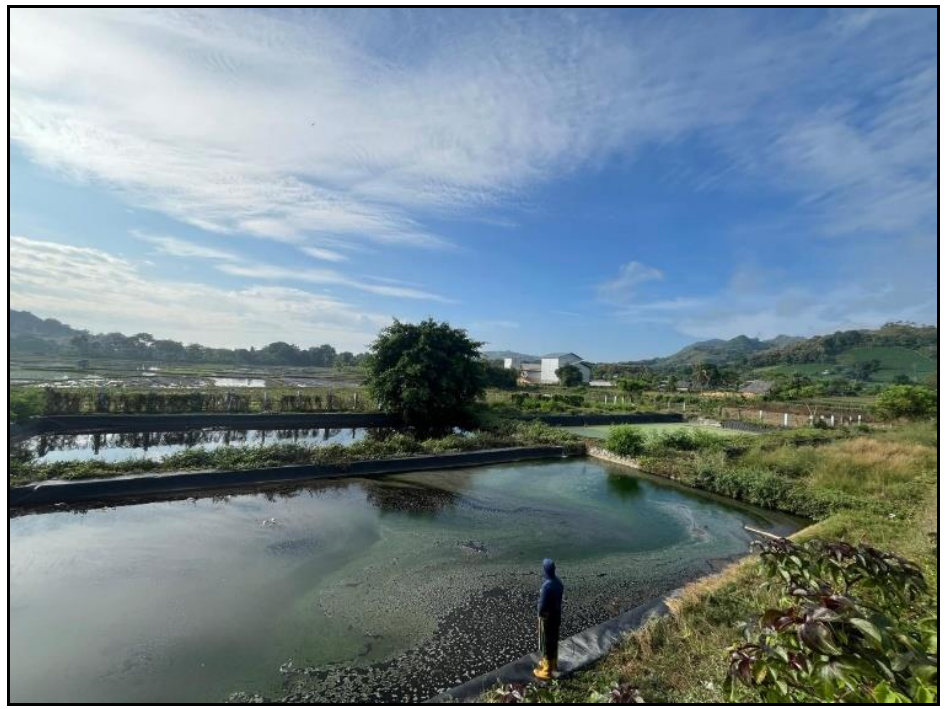
How the Treatment System Works
The facility uses a combination of natural and engineered processes to treat leachate. In simple terms, it relies on water-based systems that allow physical, chemical, and biological processes to work together. Suspended solids settle, harmful compounds are broken down by microorganisms, and certain pollutants are naturally filtered out. The research shows that the system is capable of reducing key pollution indicators, improving the overall quality of the treated water. However, it also highlights that treatment efficiency can vary depending on factors such as waste composition, rainfall, and operational management.
Why This Matters for the Environment
Proper leachate management is essential for protecting surrounding ecosystems. Without effective treatment, nearby rivers and groundwater sources can become contaminated, affecting aquatic life and communities that depend on these water resources. This study directly supports SDG 3: Good Health and Well-being, as untreated leachate can contaminate drinking water sources and increase the risk of waterborne diseases. Effective treatment systems help protect communities from exposure to hazardous substances. Beyond technology, waste management is a shared responsibility. Reducing landfill waste, improving recycling practices, and increasing public awareness are essential steps toward minimizing environmental risks.
Beyond Technology: A Shared Responsibility
While treatment facilities play a crucial role, the study also reminds us that managing waste is a shared responsibility. Reducing the amount of waste sent to landfills, improving waste segregation, and promoting recycling can significantly decrease the burden on leachate treatment systems. In regions like Indonesia, where rapid population growth and urbanization increase waste production, integrated solutions are needed. Combining effective technology with community awareness and policy support is key to long-term success.
A Step Toward Sustainable Waste Management The findings from the Patommo Landfill highlight both progress and challenges in managing landfill pollution. They show that while treatment systems can significantly reduce environmental risks, continuous monitoring and improvement are essential. As we move toward a more sustainable future, addressing hidden pollutants like leachate is just as important as tackling visible waste. Clean water begins not only with what we protect—but also with how we manage what we throw away.
Reference
DOI:
https://doi.org/10.21608/ejabf.2025.441372.6979
Contact:
Prof. Fahruddin
+62 853-4264-9190
fahruddin_science@unhas.ac.id