


MAKASSAR, Indonesia, Mar 2025 – Imagine a fish pond where the water slowly turns murky, oxygen levels drop, and harmful waste begins to build up. For many aquaculture farmers, especially those managing brackish water ponds, this is not just a scenario—it is a daily challenge. Poor water quality can reduce fish growth, increase disease risk, and ultimately threaten livelihoods. But what if a natural plant extract could help restore balance in these aquatic systems? A recent study titled “The Effect of the Tuba Root (Derris elliptica) Extract on BOD, COD, pH, and Microbial Population in Brackish Pond Water”, published in the Egyptian Journal of Aquatic Biology and Fisheries by the Egyptian Society for the Development of Fisheries and Human Health on February 24, 2025, offers an intriguing solution rooted in nature.
A Traditional Plant with Modern Potential
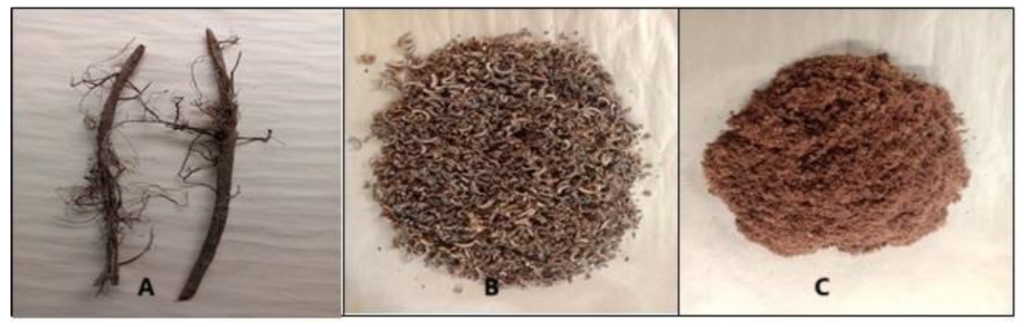
Tuba root (Derris elliptica) has long been known in many tropical regions as a natural fish poison due to its active compound, rotenone. However, scientists are now exploring its controlled use in much lower concentrations—not to harm aquatic life, but to improve water quality. The study focuses on key indicators of water health: Biological Oxygen Demand (BOD), Chemical Oxygen Demand (COD), pH levels, and microbial populations. High BOD and COD levels indicate excessive organic waste in the water, which can deplete oxygen and stress aquatic organisms. By introducing tuba root extract in controlled doses, researchers found that these parameters could be significantly improved.
How It Works
In simple terms, the extract acts as a natural regulator within the pond ecosystem. It helps suppress harmful microorganisms that contribute to organic pollution while supporting a more balanced microbial community. As a result, oxygen demand decreases, water becomes more stable, and conditions become more favorable for fish and shrimp growth. Equally important, the study highlights that the application must be carefully managed. Since tuba root contains bioactive compounds, improper use could negatively affect aquatic organisms. Therefore, dosage and monitoring are critical to ensure that the benefits outweigh potential risks.
Supporting Sustainable Aquaculture
This innovation aligns directly with SDG 14: Life Below Water, which emphasizes the conservation and sustainable use of aquatic ecosystems. Aquaculture plays a vital role in global food security, but its sustainability depends heavily on maintaining healthy water conditions. Natural solutions like tuba root extract offer an eco-friendly alternative to synthetic chemicals, reducing environmental impact while supporting productivity. For regions like Indonesia, where aquaculture is both an economic backbone and a source of community livelihood, such approaches are particularly relevant. By integrating traditional knowledge with modern scientific validation, farmers can adopt practices that are not only effective but also environmentally responsible.
A Step Toward Cleaner Waters
As the demand for sustainable food production grows, innovations that bridge science and nature become increasingly valuable. The use of plant-based extracts in managing water quality represents a promising direction—one that prioritizes ecological balance without sacrificing efficiency. In the future, solutions like this could redefine how aquaculture systems are managed, turning natural resources into allies rather than risks. Sometimes, the key to solving modern environmental problems lies in rediscovering the wisdom of nature itself.
Reference
DOI:
https://doi.org/10.21608/ejabf.2025.414086
Contact:
Prof. Fahruddin +62 853-4264-9190
fahruddin_science@unhas.ac.id