


MAKASSAR, Indonesia, Mar 2025 – A calm lake with greenish water may look peaceful, even beautiful. But sometimes, that green color is a warning sign. Beneath the surface, an invisible process called eutrophication could be slowly “suffocating” the ecosystem. This is the growing concern highlighted in Lake Balang Tonjong, one of Makassar’s important freshwater bodies. A recent study titled “Assessment of Eutrophication Parameters in Lake Balang Tonjong Makassar”, published in the Egyptian Journal of Aquatic Biology and Fisheries by the Egyptian Society for the Development of Fisheries and Human Health on February 17, 2025, provides important insights into the condition of this lake and the risks it faces.
What Is Happening to the Lake?
Eutrophication occurs when water bodies receive excessive nutrients, especially nitrogen and phosphorus. These nutrients often come from household wastewater, agricultural runoff, and urban activities. While nutrients are essential for aquatic life, too much of them can disrupt the natural balance. In simple terms, eutrophication is like overfeeding a lake. The excess nutrients trigger rapid growth of algae and aquatic plants. At first, this might seem beneficial, but it quickly becomes harmful. Dense algal blooms block sunlight, preventing other aquatic plants from photosynthesizing. When these algae die, they decompose—a process that consumes large amounts of oxygen in the water. This leads to low oxygen levels, or hypoxia, making it difficult for fish and other aquatic organisms to survive.
Findings from Lake Balang Tonjong
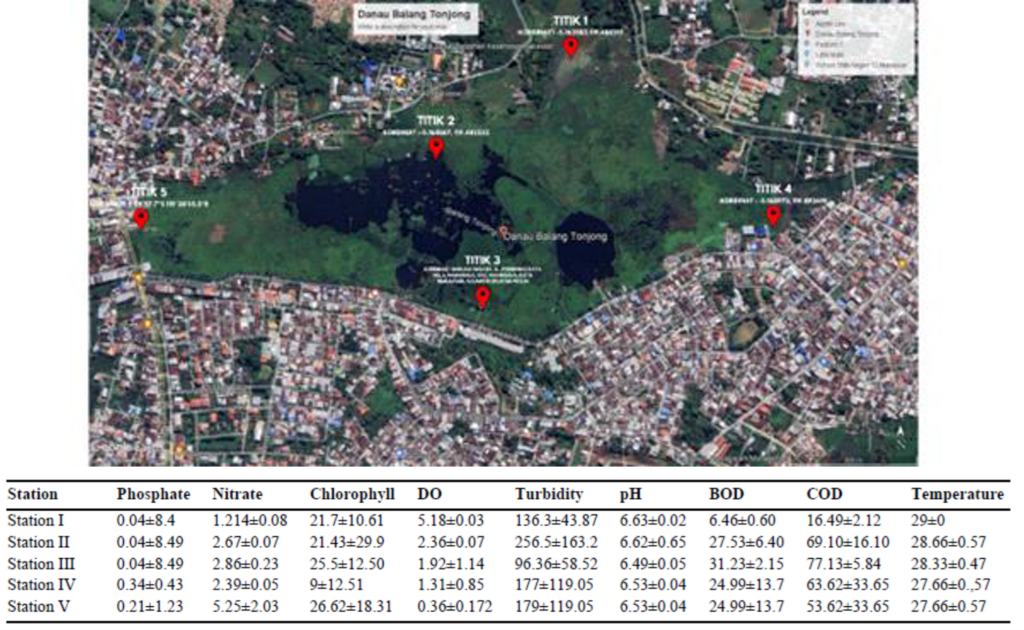
The study assessed several key parameters, including nutrient concentrations, water clarity, and biological indicators. The results show that Lake Balang Tonjong is experiencing signs of eutrophication, with increasing nutrient levels contributing to declining water quality. This condition poses risks not only to aquatic ecosystems but also to communities that rely on the lake for daily needs. Reduced water quality can affect fisheries, limit water usability, and increase the risk of environmental degradation.
Why This Matters Globally
Although this study focuses on a specific lake in Makassar, the issue reflects a broader global challenge. Many freshwater bodies around the world are facing similar pressures due to rapid urbanization and inadequate waste management. Addressing this problem directly supports SDG 14: Life Below Water, which aims to improve water quality by reducing pollution and minimizing the release of harmful substances. Healthy freshwater ecosystems are essential for human well-being, biodiversity, and sustainable development.
What Can Be Done?
Preventing and controlling eutrophication requires collective action. Reducing nutrient input is the most effective strategy. This includes improving wastewater treatment, managing agricultural runoff, and increasing public awareness about environmental impacts. Regular monitoring is also essential. By continuously assessing water quality, scientists and policymakers can detect early signs of deterioration and take timely action.
A Wake-Up Call for Sustainable Water Management
Lake Balang Tonjong serves as an important reminder that environmental changes are not always immediately visible—but their impacts can be profound. Protecting freshwater resources requires not only scientific understanding but also responsible human behavior.
As cities grow and demands on natural resources increase, maintaining the health of lakes and rivers becomes more critical than ever. Because when a lake begins to suffocate, it is not just the ecosystem that suffers—but also the people who depend on it.
Reference
DOI:
https://doi.org/10.21608/ejabf.2025.412081
Contact:
Prof. Fahruddin
+62 853-4264-9190
fahruddin_science@unhas.ac.id